The Essential Medicine Pack Guide for 2026
Imagine facing a sudden emergency in 2026, where every second counts and professional help might be delayed. Recent years have shown a rise in unexpected disasters, public health crises, and civil unrest, all underscoring the need for individuals and organizations to be ready for anything.
Having a well-organized medicine pack can provide reassurance and security, ensuring you are prepared when it matters most. This article delivers a comprehensive, expert-driven guide to building the essential medicine pack for 2026.
You will learn about new health risks, critical components, step-by-step assembly, ongoing maintenance, effective customization, and the latest expert tips to keep you and those around you safe.
Understanding the 2026 Medical Landscape
As we approach 2026, the global health environment is facing rapid and unpredictable changes. Building an effective medicine pack now requires understanding the new landscape of risks, regulations, and preparedness strategies shaping personal and community safety.
Evolving Health Threats and Emergencies
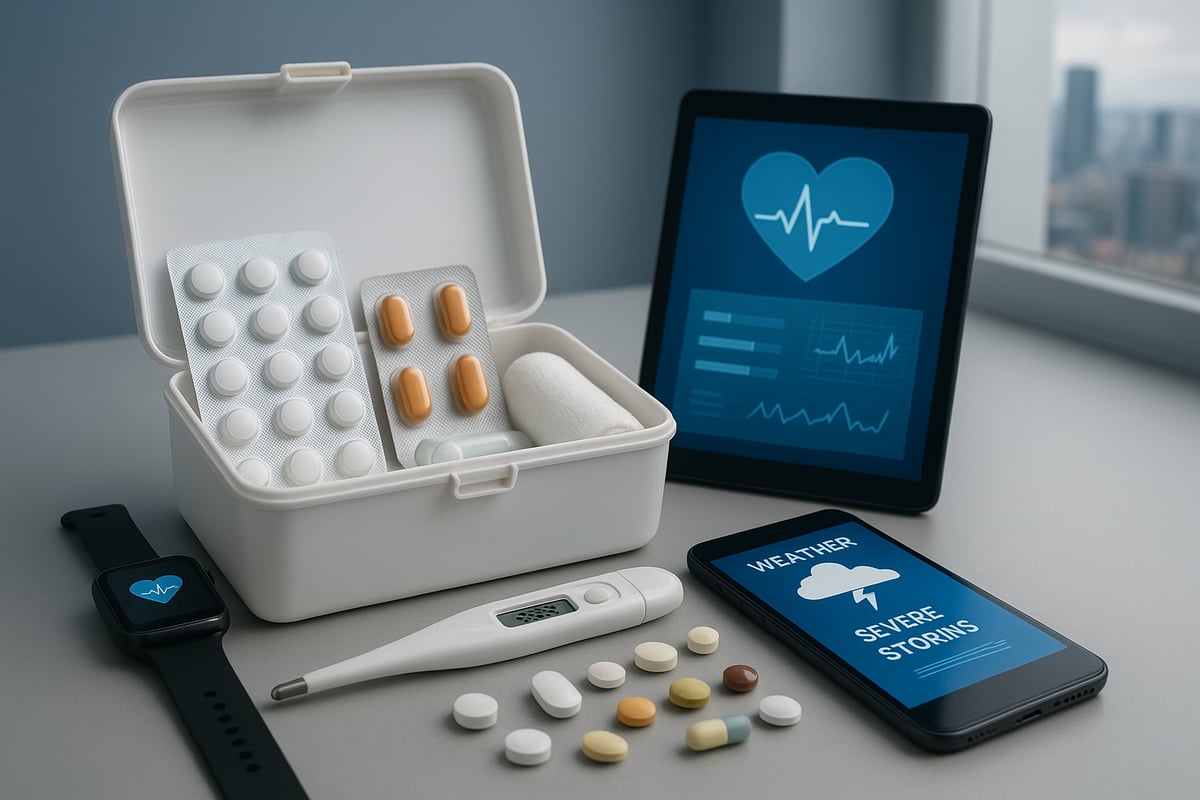
The frequency and severity of climate-related disasters are rising, putting more people at risk. Floods, wildfires, and extreme weather events now disrupt access to medical care, making a medicine pack an essential part of daily readiness. Recent pandemics have shown how quickly new diseases can spread, and global travel continues to expose populations to unfamiliar pathogens.
According to the World Health Organization and Centers for Disease Control and Prevention, injuries and illnesses associated with emergencies are expected to increase by 2026. These include respiratory infections, trauma, dehydration, and complications from chronic diseases. Urbanization brings its own challenges, with dense cities experiencing faster disease transmission and more frequent accidents.
Chronic conditions such as asthma, diabetes, and heart disease are more common, requiring immediate access to lifesaving medications even during disruptions. Healthcare systems can become overwhelmed, especially in remote or disaster-affected regions, so individuals must be prepared to manage their own care. For a deeper understanding of current and projected health emergencies, refer to the WHO's Health Emergency Appeal 2026.
Regulatory and Technological Advances
Medical regulations and technology standards have evolved to address new threats in 2026. Updated emergency response guidelines emphasize the need for a comprehensive medicine pack that includes not only medications but also advanced diagnostic and protective tools.
Smart devices such as digital thermometers, portable pulse oximeters, and mobile health apps are now standard in many kits. These technologies allow users to monitor vital signs, detect infections early, and communicate with healthcare professionals remotely. Medication regulations have also shifted, with many countries expanding over-the-counter access to essential drugs and allowing for greater flexibility in prescription refills during emergencies.
Telemedicine is now integrated into emergency protocols, enabling real-time consultations and remote diagnosis. Mobile apps provide step-by-step guidance for using medicine pack contents and managing common injuries or illnesses. These advances ensure that even non-medical professionals can deliver effective care in urgent situations.
The Shift Toward Personal and Community Preparedness
Preparedness is no longer just an individual responsibility. Recent data shows that households with a well-stocked medicine pack are significantly more resilient during emergencies. Workplace and community preparedness programs have expanded, with many organizations conducting regular training and drills.
Community response teams and layperson first responders have grown in importance, often being the first to provide aid before professional help arrives. Examples from recent years highlight how local volunteers, equipped with proper medicine packs, have saved lives during natural disasters and public health crises.
Statistics reveal that only about half of households maintain a complete emergency medicine pack, underscoring the need for broader education and access. Inclusive preparedness initiatives are making strides in reaching vulnerable groups and ensuring everyone has the tools and knowledge to respond effectively. By staying informed and investing in a tailored medicine pack, individuals and communities can better navigate the unpredictable medical landscape of 2026.
Core Components of an Essential Medicine Pack
A well-assembled medicine pack is the backbone of effective emergency preparedness. Every component should be chosen with both common and evolving risks in mind, ensuring that you, your family, or your team are ready for any health challenge that 2026 may bring.
Medications: What to Include and Why
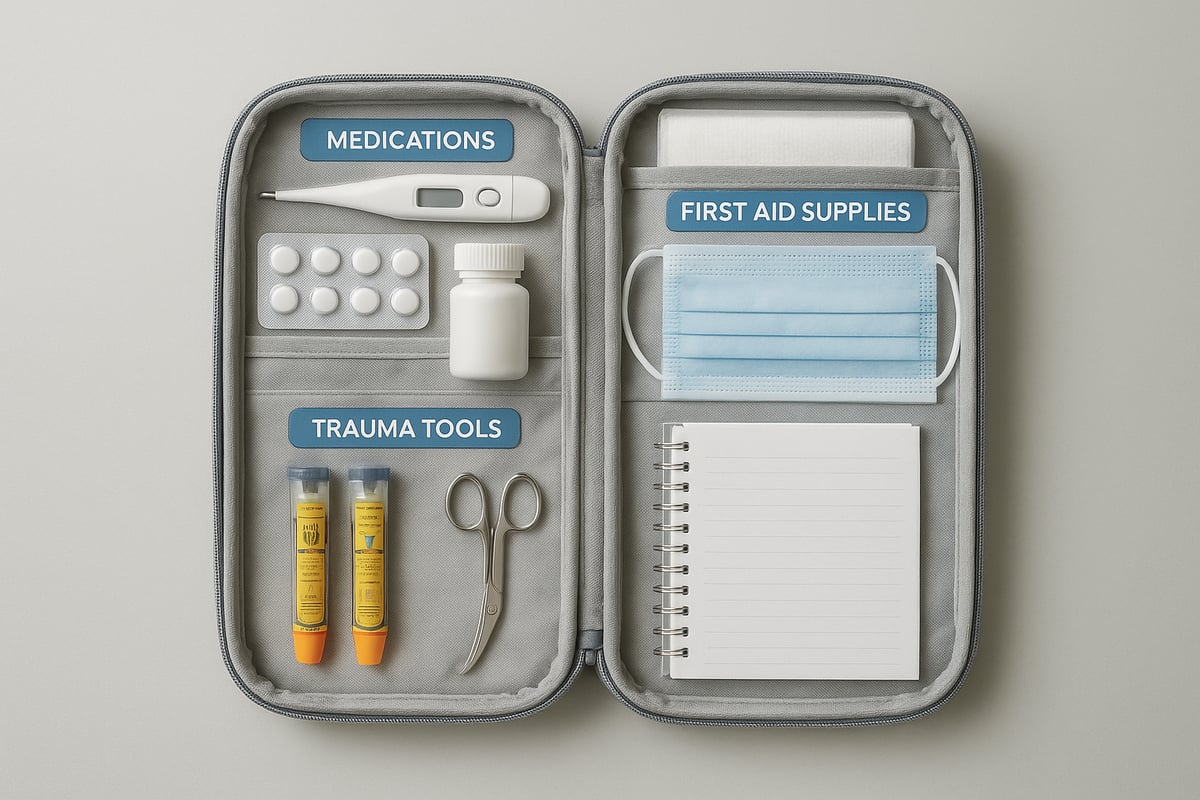
A robust medicine pack starts with medications tailored to a wide range of emergencies. Essential over-the-counter options include pain relievers (acetaminophen, ibuprofen), antihistamines for allergic reactions, antidiarrheals, and oral rehydration salts. These address the most frequent issues reported by the Red Cross and Mayo Clinic during crises.
For those with prescriptions, always include a backup supply and keep documented dosage instructions. Chronic illness management is crucial, so items like EpiPens for severe allergies, inhalers for asthma, and diabetic supplies must be prioritized. Secure medications in waterproof containers, and label each for quick identification.
When building or buying a comprehensive medicine pack, it helps to consult curated lists from professionals. For a look at expertly assembled options, explore the Complete First Aid Kits Selection, which showcases ready-to-use packs designed for modern emergencies.
First Aid Supplies: Beyond the Basics
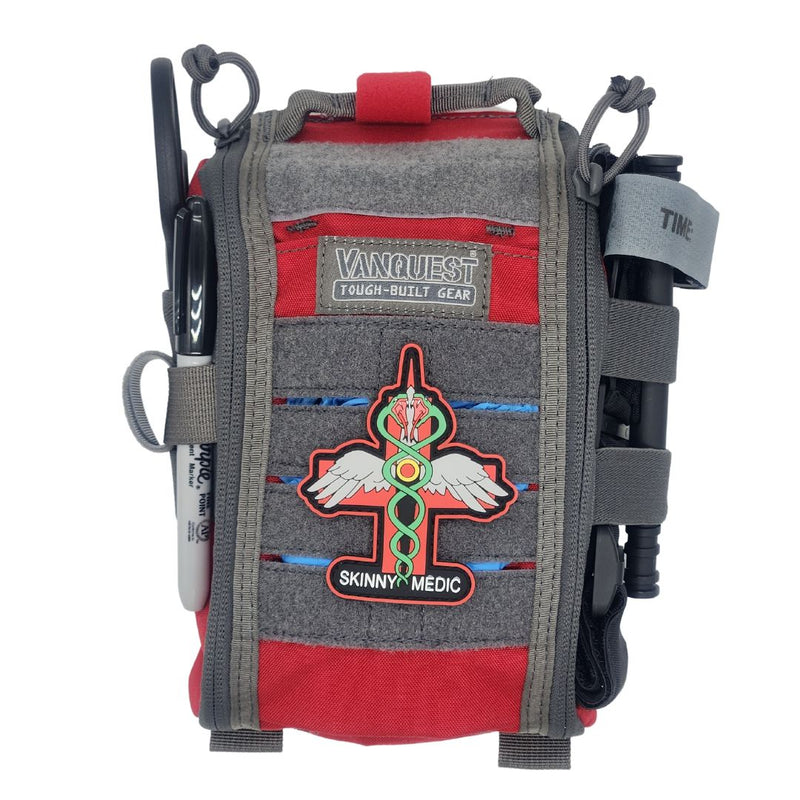
First aid supplies are the heart of any medicine pack. Go beyond simple bandages by including sterile gauze, adhesive dressings, antiseptic wipes, and hemostatic agents to control bleeding. Trauma supplies, such as tourniquets, chest seals, and splints, can make the difference in severe emergencies.
Do not overlook burn gels, eye wash solutions, and infection prevention items like antibiotic ointments. According to leading organizations, items like these are critical for treating the most common injuries encountered during disasters. Always tailor your medicine pack to the types of risks you face.
A sample supply checklist might include:
- Sterile gloves and masks
- Multiple bandage sizes
- Trauma shears
- Burn dressings
- Eye pads and rinse
Keeping your medicine pack well-stocked ensures you can respond to a wide range of situations.
Tools and Devices for Modern Packs
The right tools transform a medicine pack from basic to advanced. Trauma shears and tweezers are essential for wound care. Digital thermometers offer rapid, accurate readings, while pulse oximeters help monitor vital signs during respiratory distress.
Personal protective equipment is now non-negotiable. Include nitrile gloves, high-filtration masks, and face shields to safeguard both the caregiver and patient. Portable diagnostic devices, such as compact blood pressure monitors, empower you to make informed decisions in the field.
Modern medicine packs also benefit from smart technology. Some now feature Bluetooth-enabled devices that sync with health apps, providing real-time data during emergencies.
Documentation and Emergency Information
A medicine pack is incomplete without accurate documentation. Medical information cards, emergency contact lists, and consent forms are vital for both personal and professional use. Record all medications, allergies, and pre-existing conditions on laminated cards or securely in a digital format.
Consider both physical and digital storage to ensure information is accessible even if devices fail. USB drives with encrypted medical files or secure health apps can be lifesavers when quick access is needed. Regularly update all records to match current health profiles and prescriptions.
Medical Gear Outfitters: Expert-Curated Kits
Medical Gear Outfitters offers expertly assembled medicine pack solutions designed for the realities of 2026. As a paramedic-owned company, their kits are built with real-world experience and are trusted by individuals, families, and first responders alike.
Their selection ranges from compact personal packs to professional trauma kits, all featuring quality components tested in the field. Benefits include rigorous quality assurance, educational resources, and options for customization to meet specific needs.
Medical Gear Outfitters also provides bulk solutions for organizations and integrates the latest medical technologies and supplies. Their focus on readiness ensures that every medicine pack is equipped to handle today’s evolving emergencies with confidence.
Step-by-Step Guide: Assembling Your Medicine Pack
Emergencies can strike at any time, so a well-assembled medicine pack is crucial for effective response. This guide walks you through each step, ensuring your medicine pack is tailored, organized, and ready for anything 2026 may bring.
Step 1: Assessing Your Needs and Risks
Start by identifying the specific health needs of yourself, your family, or your team. Consider chronic conditions, allergies, and medical histories. Next, evaluate your environment. Are you in a flood zone, a remote location, or a busy urban area? Use resources like CDC and FEMA guidelines to assess local threats—natural disasters, travel risks, or workplace hazards all influence what goes into your medicine pack.
Create a brief risk profile. List potential emergencies you are likely to face. This step ensures your medicine pack is not generic but personalized and relevant for your situation.
Step 2: Selecting the Right Pack or Container
Choosing an appropriate container is the foundation of a reliable medicine pack. Consider factors like durability, portability, and weather resistance. Common options include backpacks, hard cases, and waterproof bags.
Here’s a quick comparison:
| Container Type | Pros | Cons |
|---|---|---|
| Backpack | Portable, spacious | Less rigid |
| Hard Case | Protective, stackable | Heavier |
| Waterproof Bag | Water-resistant, light | Less organized |
Select a size that fits your supplies but remains easy to carry. Look for features such as multiple compartments, reinforced zippers, and clear pouches for visibility. Your medicine pack container should support quick access and withstand tough conditions.
Step 3: Gathering Medications and Supplies
With your risks and container defined, build a checklist of required items. Start with core medications—pain relievers, antihistamines, anti-nausea, and prescription drugs. Add wound care, burn care, and infection prevention supplies. Include specialty items for allergies, asthma, or chronic illnesses.
Always verify expiration dates and source products from reputable suppliers. For further guidance on item selection and online purchasing, consult the Essential First Aid Box Guide.
Organize a backup plan for prescription medications, including extra doses and documentation. A complete medicine pack covers both daily needs and unexpected emergencies.
Step 4: Organizing and Labeling Contents
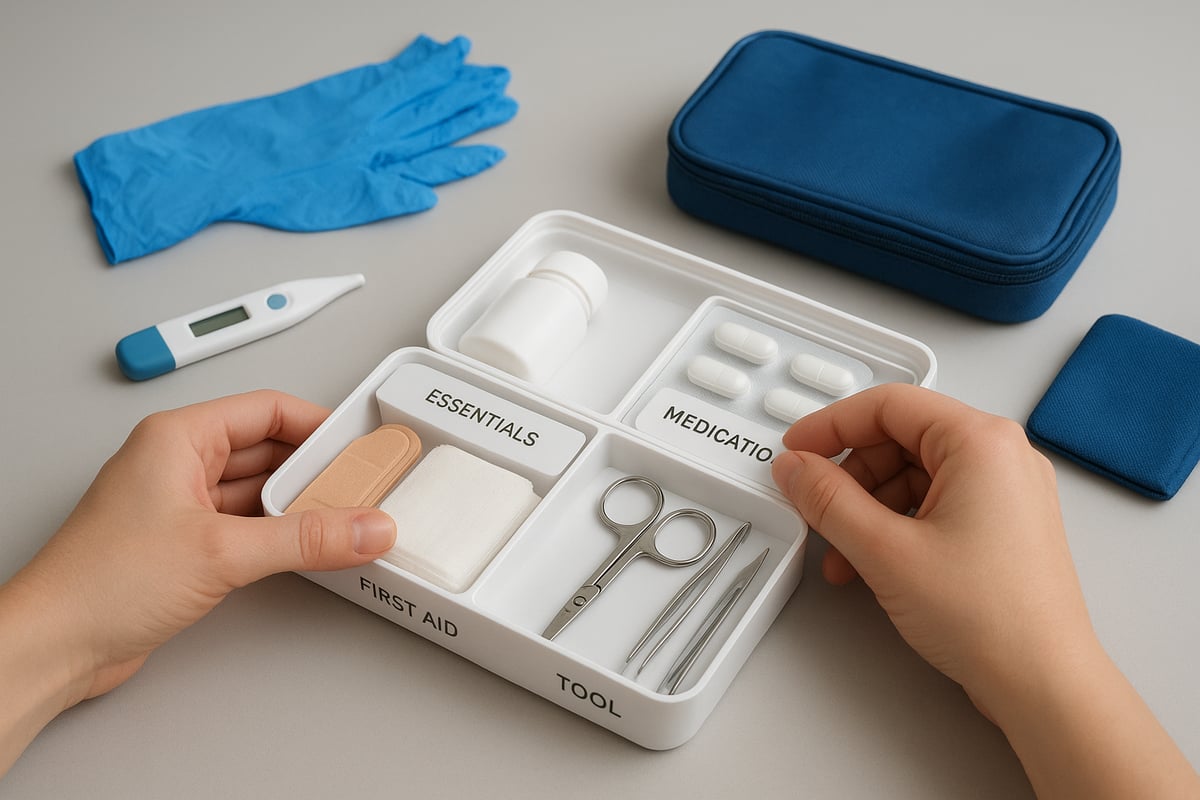
Efficient organization saves precious moments during an emergency. Group items by category: medications, wound care, tools, and documentation. Use color-coded pouches or transparent bags for quick identification.
Label each section clearly, such as “Burn Care” or “Allergy Relief.” Consider using waterproof labels for durability. Place the most frequently used or urgent items at the top or in easy-to-reach pockets.
A well-organized medicine pack reduces confusion and increases speed when every second counts. Review your layout regularly to ensure logical flow and accessibility.
Step 5: Adding Tools, Devices, and Documentation
No medicine pack is complete without essential tools. Include trauma shears, tweezers, a digital thermometer, and a pulse oximeter. Personal protective equipment—gloves, masks, and eye shields—should be readily available.
Prepare both digital and physical copies of medical information cards, emergency contacts, and consent forms. Use a USB drive or secure app for digital backups. This documentation can be vital for responders, especially if you are unable to communicate during a crisis.
Regularly update these records to keep your medicine pack current and reliable.
Step 6: Training and Familiarization
Possessing a medicine pack is only part of the equation. Ensure everyone who may use it is familiar with its contents and knows how to operate each item. Schedule first aid and CPR training for all household members or team members.
Practice using tools—like tourniquets or splints—in controlled settings. Studies show that trained individuals respond faster and with greater confidence during real emergencies.
Keep a list of training resources and refresh your skills annually. Competence with your medicine pack is as important as its contents.
Step 7: Final Checks and Customization
Before considering your medicine pack complete, conduct a thorough review. Confirm that all items are present, up to date, and relevant to your current needs. Customize based on feedback or newly identified risks.
Establish a routine for quarterly or biannual inspections. Adjust your medicine pack as family members age, health conditions change, or new threats emerge. Add specialized supplies for pets, infants, or elders if needed.
A medicine pack is a living resource—regular updates ensure it remains effective year after year.
Maintenance and Storage: Keeping Your Pack Ready
A well-prepared medicine pack is only as reliable as its maintenance routine. Routine checks, proper storage, and timely restocking ensure your supplies are ready for any emergency. Neglecting these steps can render even the best-equipped kit ineffective when you need it most.
Regular Inspection and Inventory Management
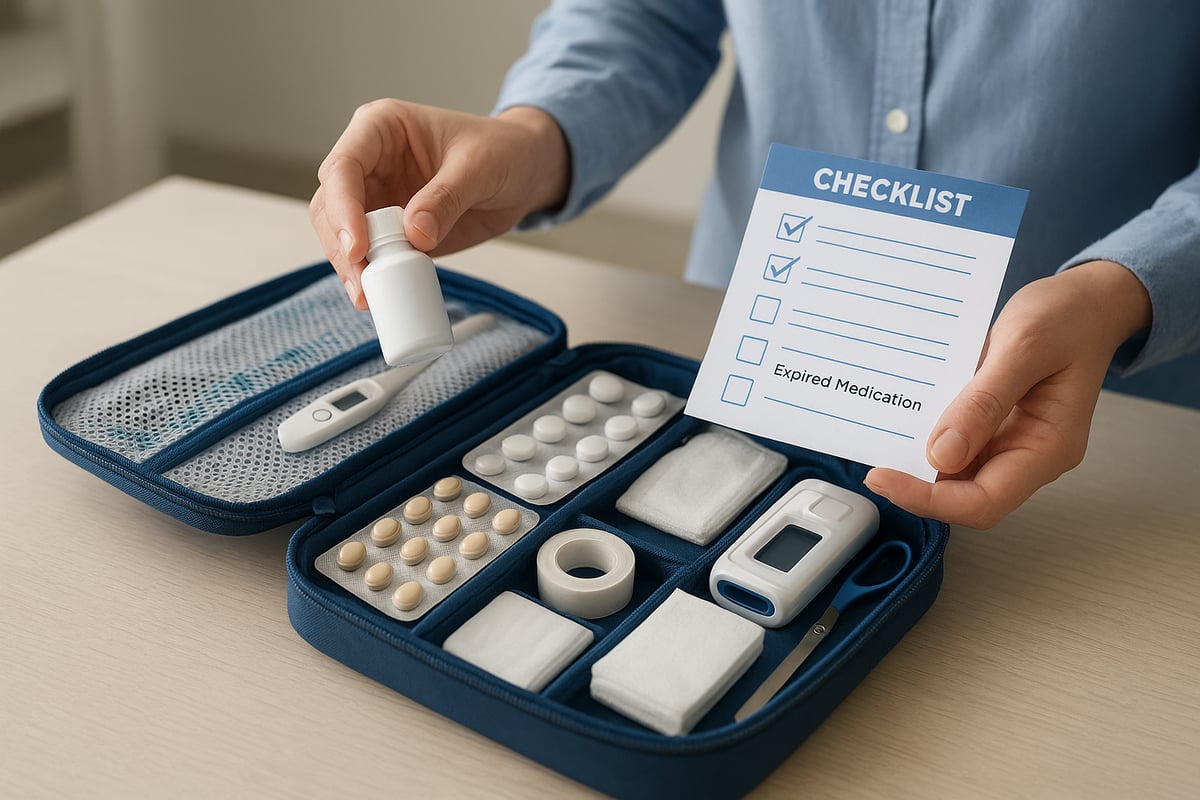
Maintaining your medicine pack begins with scheduled inspections. Experts recommend a quarterly or biannual review to ensure every item is in working order and within its expiration date. Start by emptying your kit and checking each supply for damage, tampering, or moisture.
Create an inventory checklist and update it during every inspection. Pay close attention to medications, as expired drugs may lose effectiveness or become unsafe. For a deeper dive into why regular replacement is crucial, consult the Red Cross First Aid Kit Expiration Guidelines.
Common reasons for medicine pack failure include:
- Expired medications
- Damaged packaging
- Depleted or missing items
By tracking what you use and staying vigilant, you can trust your medicine pack will perform when it matters most.
Optimal Storage Conditions
How you store your medicine pack directly affects its reliability. Temperature, humidity, and light exposure all impact the shelf life of medicines and supplies. Medications degrade faster in hot or humid environments, while sunlight can damage packaging and contents.
| Storage Location | Temperature Range | Humidity Level | Sunlight Exposure |
|---|---|---|---|
| Home | 15-25°C | Low | Store in dark area |
| Vehicle | Avoid extremes | Low | Use glove box/trunk |
| Workplace | 15-25°C | Low | Away from windows |
Store your medicine pack in a cool, dry, and dark place whenever possible. At home, a closet or cabinet away from heat sources is ideal. In vehicles, avoid leaving kits exposed to direct sunlight or extreme temperatures for prolonged periods. For workplaces, designate a storage area that is easily accessible yet protected from environmental hazards.
Restocking and Upgrading
Prompt restocking is essential for maintaining a ready medicine pack. Keep a log of items as you use them, and set reminders to replenish supplies after each inspection. This habit reduces the risk of finding empty or missing essentials during an emergency.
Stay informed about advances in medical technology and integrate new tools or medications as they become available. Many organizations recommend reviewing your medicine pack annually to consider upgrades, such as adding portable diagnostic devices or replacing outdated items with improved versions.
For example, some emergency preparedness groups rotate stock every 12 months and update their kits with the latest guidance from health authorities. By regularly restocking and embracing innovation, you ensure your medicine pack remains a reliable safety net for any situation.
Customizing Your Medicine Pack for Special Needs
Emergencies rarely look the same for everyone. Customizing your medicine pack ensures that you, your loved ones, and even your pets are protected no matter the situation. Consider the unique needs of your household or workplace to maximize safety and peace of mind.
Family and Children’s Needs
Families with children require a tailored approach to their medicine pack. Start by including child-friendly medications, such as liquid pain relievers and fever reducers, with dosing syringes or cups for accuracy.
Add adhesive bandages in various sizes, pediatric electrolyte solutions, and comfort items like a small toy or blanket. Allergy management is crucial, so carry antihistamines and, if prescribed, child-dose EpiPens. For pediatric emergencies, keep a quick-reference dosing chart in your medicine pack.
- Child-size masks and gloves
- Thermometer with flexible tip
- Nasal aspirator
- Pediatric wound care supplies
Review your medicine pack regularly for expired medications, especially those intended for children.
Chronic Illness and Elder Care
If you or someone in your care manages a chronic illness, your medicine pack should reflect those needs. Include an ample supply of prescription medications, backup inhalers, and glucose monitoring tools for diabetes. Organize pills in labeled containers and add a schedule to avoid missed doses.
For seniors, pack mobility aids like foldable canes, extra eyeglasses, and hearing aid batteries. A list of current medications and medical conditions, stored both physically and digitally, will help in emergencies. Ensure your medicine pack contains blood pressure cuffs or portable ECG devices if needed.
- Backup power sources for medical devices
- Insulated bags for temperature-sensitive meds
- Emergency contact cards with medical details
A well-prepared medicine pack can be life-saving for chronic illness and elder care scenarios.
Outdoor, Travel, and Workplace Packs
Those who travel, work remotely, or spend time outdoors require a robust medicine pack. Include water purification tablets, insect repellent, and altitude sickness medication for hikers. For remote workers, add satellite communication devices and compact trauma supplies.
Workplace packs must comply with safety standards. Review OSHA First Aid Kit Requirements to ensure your kit meets legal guidelines. Add burn care supplies, eye wash, and splints for job-related risks. Customize your medicine pack for the environment and keep it accessible at all times.
- Sunscreen and blister care
- Emergency blankets
- Quick-reference workplace first aid guide
A medicine pack designed for your activities can make a crucial difference in crisis response.
Pets and Animal Care
Pet owners should prepare a medicine pack for their animals. Include pet-safe wound care supplies, tick removers, and basic medications such as antihistamines and anti-nausea tablets (with veterinary guidance).
A leash, muzzle, and collapsible water bowl should be readily available. Add a copy of your pet’s vaccinations and veterinary contacts. Follow veterinary emergency guidelines for dosing and supply selection.
- Styptic powder for bleeding
- Pet-specific bandages
- Disposable gloves and waste bags
Integrating animal care into your medicine pack protects every family member during emergencies.
Accessibility and Inclusivity Considerations
An effective medicine pack must be accessible to everyone. Use large-print or braille labels, easy-open containers, and color-coded pouches for those with visual or dexterity challenges. Language barriers can be addressed with multilingual instruction cards.
Consider sensory needs, such as noise-cancelling earplugs or fidget tools, for neurodiverse individuals. Include clear instructions for all supplies and ensure mobility aids fit within your medicine pack. Draw inspiration from inclusive preparedness initiatives to keep your pack usable for all.
- Visual and tactile labels
- Multilingual emergency cards
- Adaptive tools for opening medications
Customizing your medicine pack for accessibility ensures no one is left behind in an emergency.
Pro Tips and Expert Insights for 2026 Preparedness
Staying ahead in emergency readiness means keeping your medicine pack both current and practical. The last few years have tested individuals and organizations, revealing what works and what needs improvement. In 2026, successful preparedness is about learning from real events, leveraging new tools, and building habits that keep your supplies and skills sharp.
Lessons Learned from Recent Emergencies
Case studies from 2020 to 2025 highlight how rapidly emergencies can escalate, and how crucial a well-stocked medicine pack is for immediate response. Wildfires, floods, and pandemics revealed the importance of quick access to critical medications and trauma supplies.
Data from frontline responders shows that packs designed for flexibility and accessibility outperform those with rigid or outdated contents. In several mass casualty events, individuals with hands-on training and a personalized medicine pack were able to stabilize injuries and manage chronic conditions before professional help arrived.
A key takeaway is the need to update packs regularly, reflecting lessons from past emergencies and adapting to new risks.
Innovations in Medical Supplies and Gear
The landscape for medicine pack supplies is evolving at a rapid pace. Smart bandages that monitor healing, digital pulse oximeters for assessing oxygen levels, and rapid diagnostic kits are now standard in advanced kits. AI-powered health apps guide users through emergency steps, even with limited training.
One innovation gaining widespread adoption is the tourniquet, which has been proven to save lives in trauma situations. For a deeper understanding of its role and correct use, see the Tourniquet Use in First Aid Kits resource.
Portable diagnostic devices and connected health tools help bridge gaps when traditional care is delayed. These advancements make the modern medicine pack more effective and user-friendly for all skill levels.
Training and Community Engagement
Owning a medicine pack is only the first step. Regular training, including first aid and CPR, dramatically increases the effectiveness of your kit. Community-based programs have shown a measurable impact, with neighborhoods that prioritize training seeing faster, more coordinated responses during emergencies.
Workshops, online courses, and simulation exercises can help individuals and families gain confidence. Many workplaces now require basic emergency skills, helping to create a culture of readiness that benefits everyone.
Common Mistakes and How to Avoid Them
Even the best medicine pack can fall short if common pitfalls are not avoided. Overpacking with unnecessary items makes access difficult in urgent moments. Neglecting expiration dates or failing to replace used supplies leads to critical shortages just when they are needed most.
Lack of user training is another frequent issue. Every member of your household or team should know where the kit is, what it contains, and how to use each component. Simple checklists and practice drills help maintain readiness and prevent confusion.
Resources for Continued Learning
Staying informed is essential for keeping your medicine pack relevant. Authoritative organizations like the WHO Emergencies Programme provide up-to-date information on emerging threats and preparedness strategies.
Mobile apps and online platforms offer interactive guides, checklists, and video tutorials to support ongoing education. Subscribing to reputable medical blogs or taking certified online courses ensures your skills and knowledge remain current as new challenges arise.
Expert Q&A and Reader FAQs
Many people wonder how often to update their medicine pack or which items are truly essential. Experts recommend a full review at least twice a year, with immediate updates after any significant event or change in health status.
Questions about prescription storage, allergy management, and emergency documentation are common. The answer is to store backups in climate-controlled containers and keep digital copies of key documents for easy access.
Troubleshooting advice is always available through medical organizations, online forums, and local first aid groups.
Preparing for the Unknown: Building Resilience
Resilience is about more than just supplies. Regularly updating your medicine pack, staying engaged with community resources, and adapting to new risks are the foundation of effective preparedness.
Stories from recent years show that those who practice adaptability—reviewing their kits, learning new skills, and sharing knowledge—are best positioned to respond to unexpected situations. Building this mindset into your routine ensures you are ready for whatever 2026 brings.