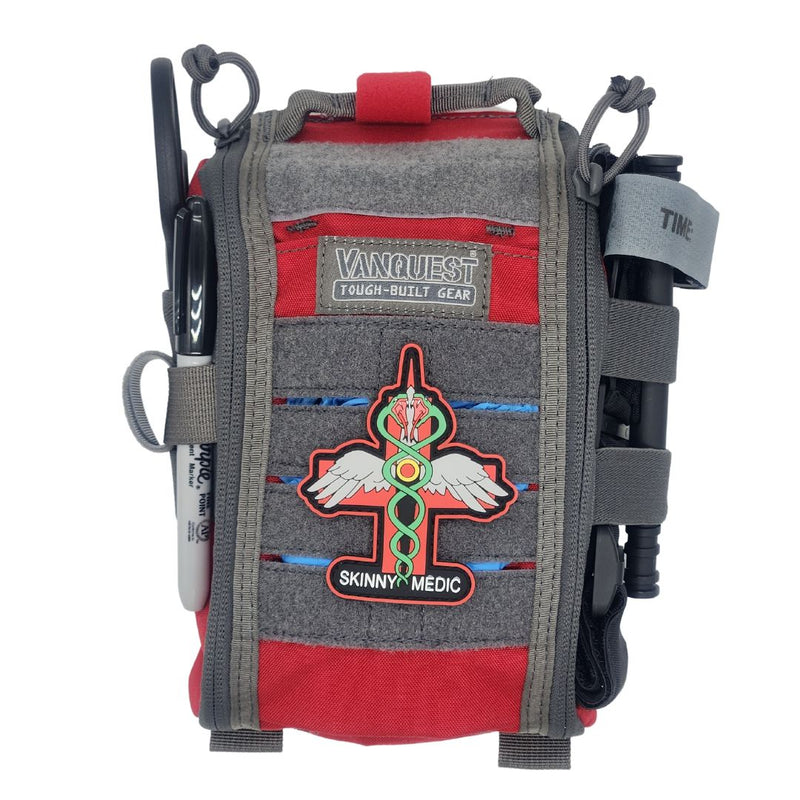
Medi First Aid: Essential Skills and Supplies Guide
When an emergency strikes, the first few minutes often determine the outcome. Medi first aid represents the critical intersection of knowledge, skills, and equipment necessary to provide immediate care before professional medical help arrives. Whether you're a workplace safety coordinator, outdoor enthusiast, or concerned parent, understanding the fundamentals of medi first aid can transform you from a bystander into a lifesaver. This comprehensive guide explores the essential components of effective emergency response, from assembling the right supplies to mastering life-saving techniques that make a measurable difference in critical situations.
Understanding Modern Medi First Aid Standards
The landscape of emergency medical response has evolved significantly in recent years. According to updated first aid guidelines from the American Heart Association and American Red Cross, contemporary protocols now address emerging health crises including opioid overdoses and severe allergic reactions alongside traditional injuries. These evidence-based recommendations reflect real-world data from emergency situations across diverse settings.
What Defines Effective Medi First Aid
Medi first aid encompasses more than simply applying bandages to cuts. The Occupational Safety and Health Administration defines first aid as immediate care provided to individuals suffering from injuries or sudden illness before professional medical services arrive. This definition emphasizes the temporary yet crucial nature of initial intervention.
Key components of comprehensive medi first aid include:
- Rapid assessment of the victim's condition and immediate threats
- Application of appropriate treatment protocols based on injury type
- Prevention of condition deterioration through proper stabilization
- Documentation of actions taken for medical professionals
- Recognition of when professional help is absolutely necessary
The effectiveness of medi first aid depends equally on having proper equipment readily accessible and possessing the knowledge to use it correctly. A well-stocked trauma kit means nothing without trained hands to deploy its contents.
Essential Equipment for Comprehensive Medi First Aid
Building an effective medi first aid capability requires strategic selection of supplies that address the most common and most dangerous emergencies. Not all kits are created equal, and the specific contents should reflect your unique risk environment.
Core Supplies Every Kit Must Contain
| Supply Category | Essential Items | Primary Purpose |
|---|---|---|
| Bleeding Control | Gauze pads, pressure bandages, tourniquets | Hemorrhage management |
| Wound Care | Adhesive bandages, antiseptic wipes, medical tape | Infection prevention |
| Airway Management | CPR masks, trauma shears, gloves | Breathing support |
| Environmental | Emergency blankets, burn dressings, cold packs | Temperature regulation |
| Medications | Pain relievers, antihistamines, aspirin | Symptom management |
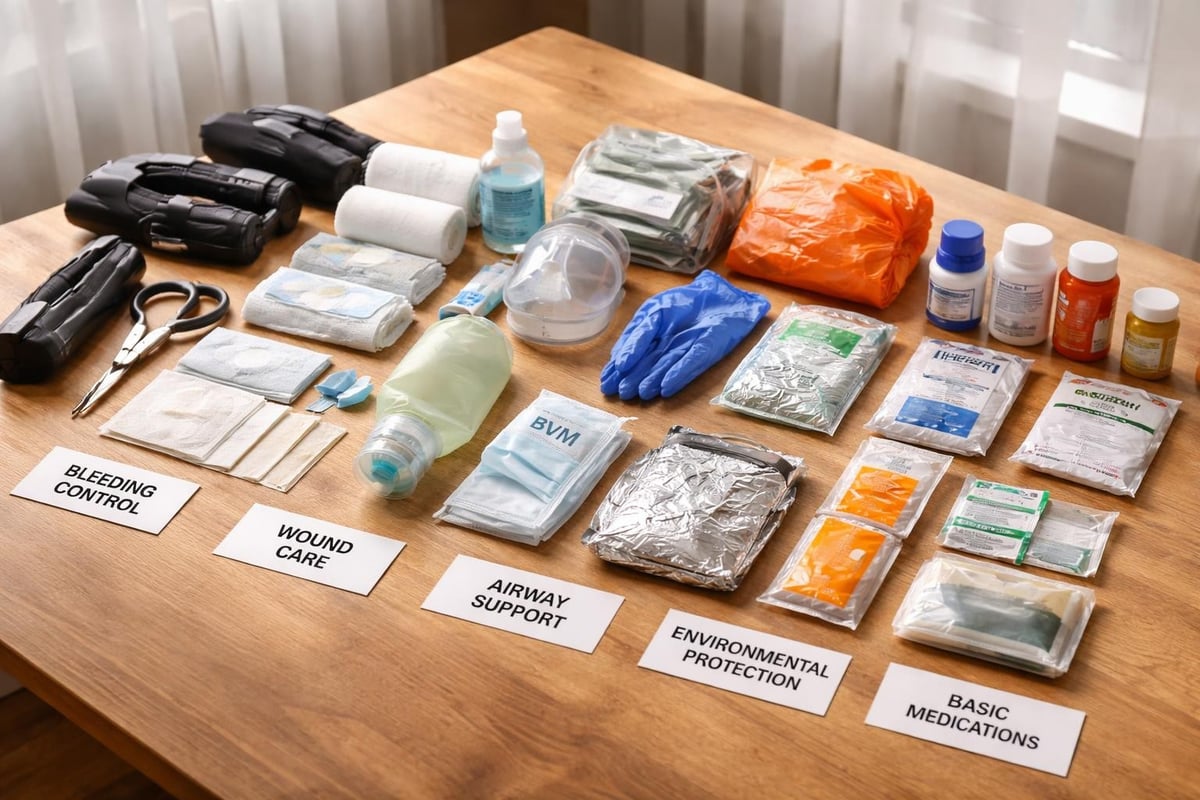
Professional responders understand that quality matters tremendously in emergency equipment. Inferior tourniquets can fail during application, while substandard gauze may not provide adequate hemostatic pressure. When assembling your medi first aid supplies, prioritize products from manufacturers with proven track records in emergency medical services.
Specialized Equipment for Advanced Response
Beyond basic supplies, certain situations demand specialized medi first aid equipment. Hemostatic agents can dramatically reduce bleeding time in severe wounds, while chest seals address life-threatening penetrating injuries to the torso. These advanced tools require proper training but offer capabilities far beyond traditional first aid supplies.
- Tourniquet systems for extremity hemorrhage control in traumatic injuries
- Hemostatic dressings containing clot-promoting agents for severe bleeding
- Nasopharyngeal airways to maintain breathing passages in unconscious patients
- Occlusive dressings for pneumothorax and sucking chest wounds
- SAM splints providing versatile fracture stabilization across multiple body parts
The decision to include advanced medi first aid equipment should align with your training level and likely scenarios. A camping first aid kit might emphasize blister treatment and snake bite supplies, while a vehicle emergency kit should prioritize trauma management for collision injuries.
Critical Medi First Aid Skills for Lifesaving Response
Equipment alone cannot save lives. Effective medi first aid requires competency in specific techniques that address the most common life-threatening conditions. These skills form the foundation of emergency response capability regardless of your professional background.
Hemorrhage Control Techniques
Severe bleeding represents one of the leading causes of preventable death in trauma situations. Modern medi first aid protocols emphasize aggressive hemorrhage control using a systematic approach proven to save lives in combat and civilian settings.
Direct pressure application remains the first-line intervention for most bleeding wounds. Apply firm, continuous pressure directly to the wound using gauze pads or the cleanest available material. Maintain pressure for at least three minutes before checking if bleeding has stopped.
Pressure point control involves compressing major arteries against underlying bone structures to reduce blood flow to injured extremities. This technique works best as a temporary measure while preparing more definitive interventions.
Tourniquet application has regained prominence as evidence demonstrates its effectiveness when properly used. According to expanded first aid guidelines, tourniquets should be applied high and tight on the injured limb when direct pressure fails to control life-threatening extremity hemorrhage.
Airway Management Fundamentals
Maintaining an open airway represents the most critical priority in medi first aid. Without adequate oxygenation, brain damage begins within four to six minutes. Several techniques ensure breathing passages remain clear in unconscious or injured patients.
The head-tilt chin-lift maneuver opens airways in most unconscious patients without suspected spinal injuries. Gently tilt the head backward while lifting the chin forward, moving the tongue away from the back of the throat.
For patients with potential neck injuries, the jaw-thrust technique provides airway access without moving the cervical spine. Position yourself at the patient's head and use both hands to displace the jaw forward while maintaining neutral head alignment.
Recovery position placement prevents airway obstruction in breathing but unconscious patients. Roll the individual onto their side with the upper leg bent for stability, allowing fluids to drain from the mouth rather than blocking the airway.
Building Location-Specific Medi First Aid Capabilities
Different environments present unique risks requiring tailored emergency response approaches. Effective medi first aid preparation acknowledges these contextual differences and adjusts accordingly.
Workplace Emergency Response Systems
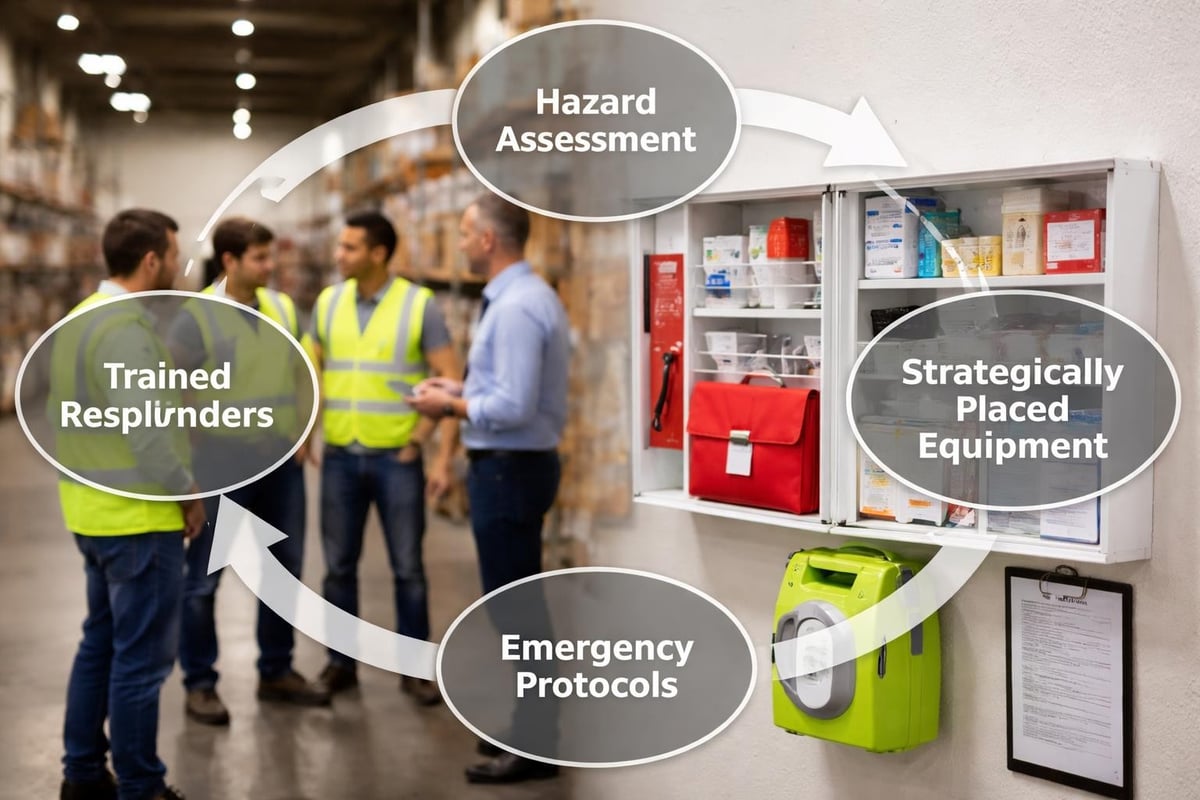
OSHA medical first aid requirements mandate that employers ensure quick access to medical personnel for workplace injuries and illnesses. This obligation extends beyond simply having supplies available to include trained responders and documented protocols.
Workplace medi first aid systems should include:
- Designated first aid responders with current certification
- Strategically positioned first aid stations with appropriate supplies
- Clear communication systems for summoning professional medical help
- Regular drills practicing emergency response procedures
- Documentation systems recording incidents and treatments provided
High-risk industries such as construction, manufacturing, and chemical processing require enhanced medi first aid capabilities including eye wash stations, specialized burn treatments, and chemical exposure protocols. The specific hazards present in your workplace directly inform equipment and training requirements.
Home and Family Preparedness
Household medi first aid preparation protects your most important people in their most common environment. According to MedlinePlus first aid resources, common home emergencies range from minor cuts and burns to choking incidents and allergic reactions.
Kitchen safety considerations address burn injuries from cooking equipment, lacerations from sharp utensils, and potential choking hazards. Keep burn gel, sterile gauze, and appropriate bandages immediately accessible in this high-risk area.
Bathroom hazards include slip-and-fall injuries, medication overdoses, and scalding from hot water. Ensure medi first aid supplies address head injuries, have activated charcoal available for poisoning incidents, and maintain temperature controls on water heaters.
Pediatric-specific preparations account for the unique physiology and common injuries affecting children. Stock age-appropriate medication dosages, small bandages suitable for little fingers, and have poison control contact information readily available.
Training and Certification for Medi First Aid Competency
Possessing equipment without knowledge creates false confidence that can prove dangerous in actual emergencies. Proper training transforms theoretical knowledge into practical skills executed confidently under pressure.
Formal Certification Programs
Multiple organizations offer structured medi first aid training at various skill levels. The American Red Cross provides comprehensive courses covering basic through advanced first aid techniques with hands-on practice using realistic scenarios.
| Certification Level | Duration | Skills Covered | Recommended For |
|---|---|---|---|
| Basic First Aid | 4-6 hours | Wound care, choking, basic CPR | General public |
| Advanced First Aid | 12-16 hours | Trauma response, splinting, advanced bleeding control | Workplace responders |
| Wilderness First Aid | 16-24 hours | Extended care, improvisation, evacuation | Outdoor professionals |
| Tactical Combat Casualty Care | 16-40 hours | Combat wounds, tactical scenarios, mass casualties | Security professionals |
These programs combine classroom instruction with practical exercises that build muscle memory for critical interventions. Quality courses emphasize decision-making under stress rather than simply memorizing procedures.
Continuing Education Requirements
Medi first aid skills degrade without regular practice and updates. Certification typically expires after two to three years, requiring recertification to maintain current knowledge. Beyond formal requirements, responsible first aid providers engage in ongoing skill maintenance through regular practice and staying informed about evolving protocols.
The 2024 first aid guidelines from the American Heart Association introduced several significant changes to recommended practices based on new research. Staying current with these evidence-based updates ensures your interventions reflect best practices rather than outdated approaches.
Special Considerations in Modern Medi First Aid
Contemporary emergency response faces evolving challenges requiring adaptation of traditional medi first aid approaches. Recent guideline updates acknowledge these emerging threats and provide evidence-based protocols for managing them effectively.
Opioid Overdose Response
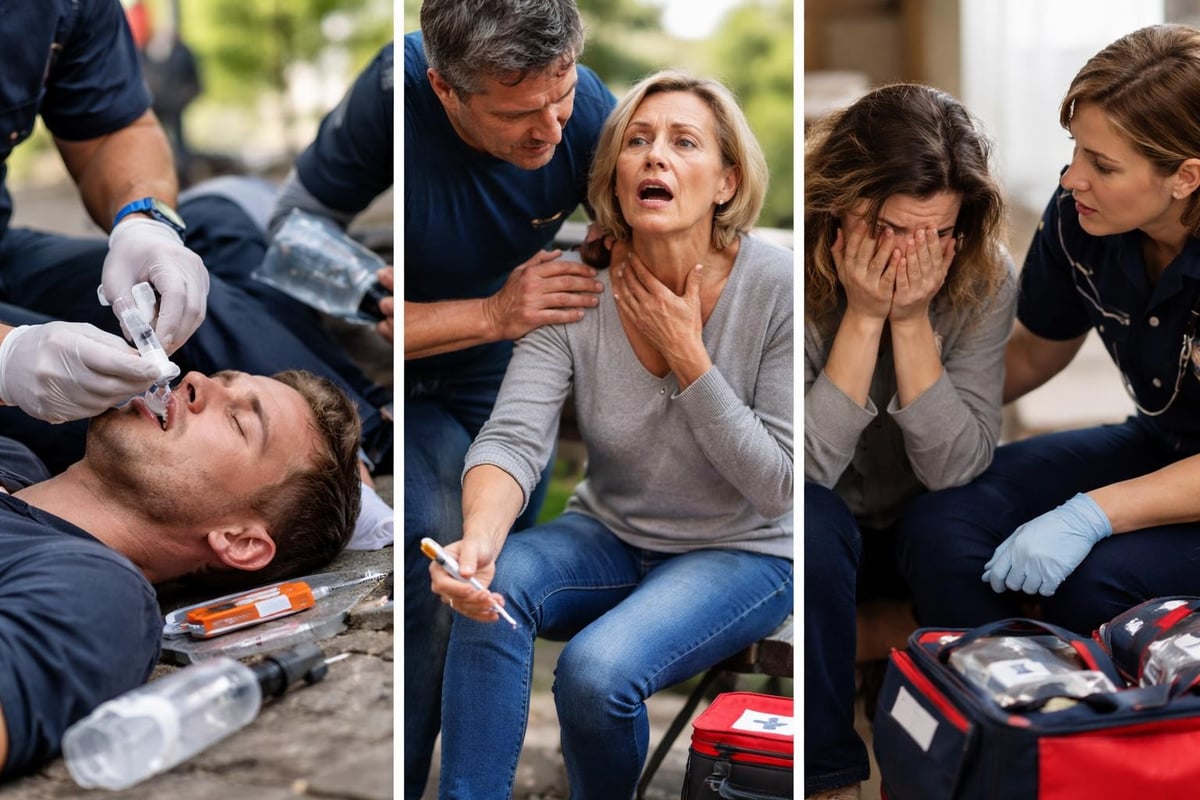
The ongoing opioid crisis has made overdose response a critical component of comprehensive medi first aid. Naloxone (Narcan) administration can reverse potentially fatal respiratory depression caused by opioid drugs when administered promptly.
Recognition of opioid overdose includes identifying decreased consciousness, severely slowed or absent breathing, and pinpoint pupils. These signs demand immediate action as brain damage from oxygen deprivation occurs rapidly.
Naloxone administration involves either intranasal spray or intramuscular injection depending on the product available. Most formulations designed for lay responder use require minimal training and include clear instructions on the packaging.
After administering naloxone, continue monitoring the patient as effects may wear off before the opioid clears their system. Multiple doses may be necessary for particularly severe overdoses or long-acting opioid compounds.
Allergic Reaction Management
Severe allergic reactions (anaphylaxis) can progress from mild symptoms to life-threatening airway compromise within minutes. Medi first aid for allergic emergencies centers on rapid recognition and immediate epinephrine administration.
Early warning signs include skin reactions, throat tightness, difficulty breathing, abdominal cramping, and sudden weakness. When multiple body systems show involvement, anaphylaxis should be suspected even if symptoms seem mild initially.
Epinephrine auto-injectors provide the definitive treatment for severe allergic reactions. These devices require minimal training and deliver a pre-measured dose when pressed firmly against the outer thigh. Administration should occur immediately when anaphylaxis is suspected rather than waiting for symptoms to worsen.
Following epinephrine administration, position the patient lying flat with legs elevated unless this position causes breathing difficulty. Professional medical evaluation remains necessary even if symptoms improve dramatically.
Integrating Technology Into Medi First Aid Response
Modern technology enhances traditional medi first aid capabilities through improved communication, guided assistance, and documentation tools. These innovations support responders while maintaining focus on fundamental life-saving techniques.
Mobile Applications and Digital Resources
Smartphone applications provide instant access to step-by-step guidance during actual emergencies. These tools prove particularly valuable for less common scenarios where responders may lack confidence in proper protocols.
Quality medi first aid apps include:
- Symptom-based decision trees guiding users through assessment and intervention
- Video demonstrations showing proper technique for critical skills
- Emergency contact integration enabling one-touch connection to 911 services
- Incident logging features documenting actions taken for medical professionals
- Location services helping dispatchers identify your precise position
While technology provides valuable support, it should supplement rather than replace fundamental knowledge and hands-on training. Screen time during emergencies must be minimized to maintain focus on the patient.
Telemedicine Integration
Remote medical guidance has expanded significantly in recent years, with some emergency response systems now incorporating video consultation with physicians during initial assessment and treatment. This capability extends specialist expertise to remote locations where professional help may be delayed.
Medi first aid providers in wilderness settings, offshore platforms, or international locations particularly benefit from telemedicine support. Real-time consultation enables more sophisticated interventions under physician direction while maintaining appropriate scope of practice boundaries.
Maintaining and Updating Your Medi First Aid Resources
Even the most comprehensive emergency supplies lose effectiveness without proper maintenance. Systematic inspection and replacement protocols ensure readiness when seconds matter.
Regular Inventory and Expiration Management
Quarterly inspections should verify that all medi first aid supplies remain properly stocked and stored. Check medication expiration dates, replace depleted items, and ensure packaging remains intact and sterile.
Create a simple tracking system documenting:
- Inspection date and inspector name
- Items requiring replacement or restocking
- Expiration dates for all medications and sterile supplies
- Environmental conditions where kit is stored
- Any equipment damage or malfunction discovered
Temperature extremes accelerate degradation of medications and certain supplies. Store medi first aid equipment in climate-controlled environments when possible, avoiding vehicle trunks or outdoor sheds where temperatures fluctuate dramatically.
Knowledge and Skill Refreshers
Schedule regular practice sessions every three to six months to maintain proficiency in critical medi first aid skills. These sessions need not be formal classes but should include hands-on practice with actual equipment.
Realistic scenario training proves more valuable than simply reviewing written procedures. Create situations mimicking actual emergencies, practice under time pressure, and debrief afterward to identify areas needing improvement. This approach builds the muscle memory and decision-making confidence required during actual incidents.
Consider joining local emergency response organizations or volunteer groups that provide regular training opportunities. These affiliations keep skills sharp while contributing valuable community service. Many fire departments, search and rescue teams, and disaster response organizations welcome volunteers interested in developing advanced medi first aid capabilities.
Building comprehensive medi first aid capability requires balancing quality equipment with proper training and regular practice. Organizations like Medical Gear Outfitters understand this integration, offering both professional-grade supplies and the expertise to use them effectively. Whether you need complete kits for workplace compliance or specialized components for advanced trauma response, paramedic-vetted equipment ensures you're prepared to make a difference when emergencies occur.
Developing effective medi first aid capability empowers you to provide critical care during those crucial minutes before professional help arrives, potentially making the difference between recovery and tragedy. Medical Gear Outfitters combines paramedic expertise with comprehensive emergency supplies, ensuring you have both the equipment and knowledge necessary to respond confidently when lives depend on immediate action. Explore their professionally curated selection and transform your emergency preparedness at Medical Gear Outfitters today.