First Aid Kit Medications Guide: Essentials for 2026
Are you prepared for any emergency in 2026? The right medications in your first aid kit can make all the difference when seconds count.
This guide delivers the latest insights on first aid kit medications, ensuring your kit is ready for the unexpected. With recent increases in home emergencies and a growing focus on preparedness, having the correct supplies brings peace of mind.
Discover how to choose essential medications, keep your kit updated, and follow best practices for every scenario. Now is the perfect time to review and upgrade your first aid kit for a safer year ahead.
The Importance of First Aid Kit Medications in 2026
Are you prepared to handle emergencies in a world where risks are constantly changing? As we move into 2026, the role of first aid kit medications becomes more crucial for every household, workplace, and traveler. Staying updated on what to include in your kit can mean the difference between a minor setback and a serious health crisis.
Evolving Health Risks and Emergency Trends
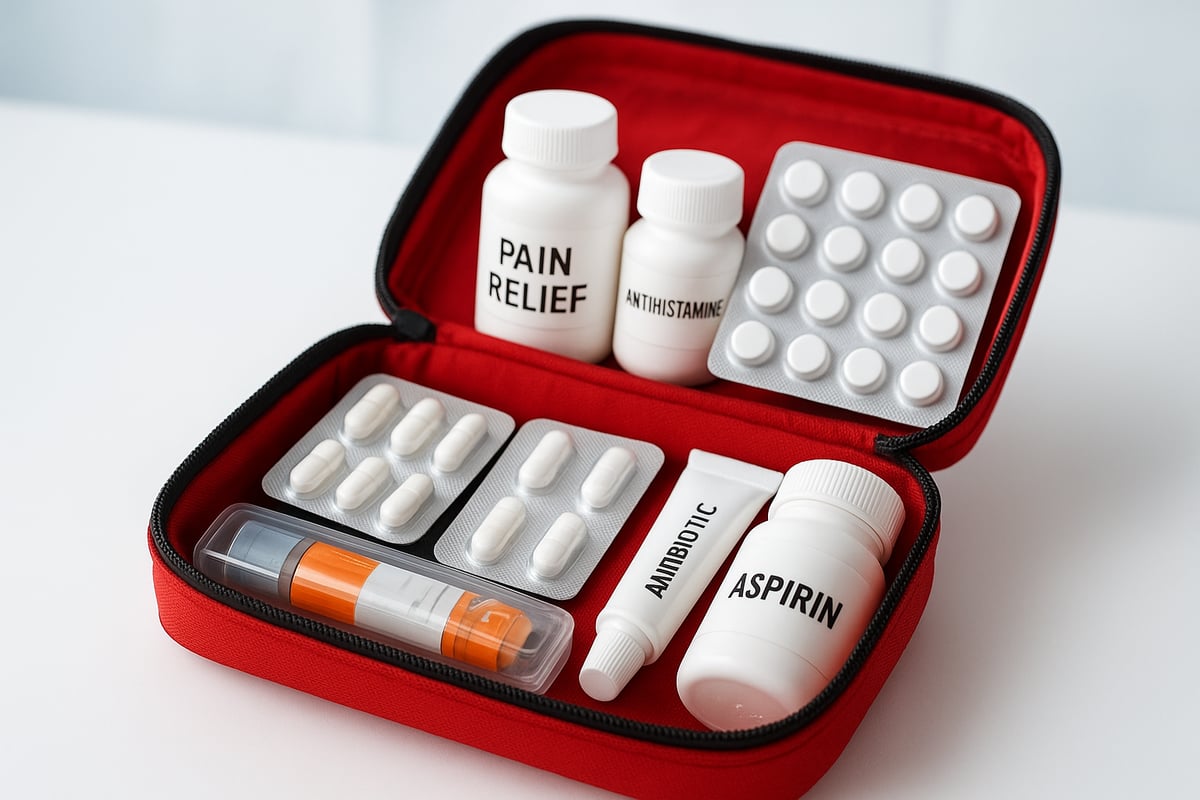
The landscape of emergencies is rapidly evolving. Natural disasters are more frequent, and public health threats like pandemics have shown how quickly circumstances can change. Increased travel and outdoor activities add to the risk of injuries and illness.
According to the CDC, there has been a 15% increase in home emergencies requiring medication intervention since 2022. Allergic reactions and asthma attacks are now among the leading reasons for using first aid kit medications. Having the right supplies on hand can prevent a minor issue from escalating.
For a comprehensive list of essential supplies and expert recommendations on what to include, consult First Aid Kit Supplies and Medications.
Regulatory and Safety Updates for First Aid Medications
Recent years have brought important changes to guidelines for first aid kit medications. Both the FDA and Red Cross have updated their recommendations for 2026, emphasizing the importance of checking expiration dates and using child-safe packaging.
Legal considerations are now front and center. For example, aspirin is only recommended for adult kits due to the risk of Reye’s syndrome in children. Staying aware of these updates ensures your first aid kit medications are both safe and compliant.
Proper labeling and adherence to current regulations help prevent accidental misuse. Regularly reviewing the latest guidelines is essential for effective emergency preparedness.
Who Needs a Comprehensive First Aid Kit?
First aid kit medications are not just for homes. They are essential for workplaces, schools, vehicles, and especially travelers who may be far from immediate medical help.
Special attention should be given to families with children, elderly members, or anyone with chronic conditions. Despite 70% of U.S. households owning a first aid kit, only 40% actually include the necessary medications. This gap highlights the importance of reviewing and updating your kit to meet every family member’s needs.
Customizing your first aid kit medications for your unique environment and health risks is a proactive step towards safety.
Key Arguments and Insights
Many people focus on bandages and wound care, overlooking the importance of first aid kit medications. However, including the right medications can reduce liability and drastically improve outcomes in emergencies.
Quick access to epinephrine for anaphylaxis or pain relievers for sudden injuries can save lives or minimize suffering. A well-equipped kit empowers you to act confidently, turning a potential crisis into a manageable situation.
By prioritizing first aid kit medications, you ensure that your emergency preparations are truly comprehensive and effective.
Core Medications Every First Aid Kit Should Have
Choosing the right first aid kit medications is crucial for handling emergencies effectively in 2026. Whether at home, work, or on the go, having the proper medications ensures you can address a variety of health issues quickly. With evolving health risks and increased outdoor activities, your kit should reflect the latest recommendations. If you want a reliable starting point, explore expertly curated options in the Complete First Aid Kits Collection, which feature essential medications and supplies.
Pain and Fever Relief
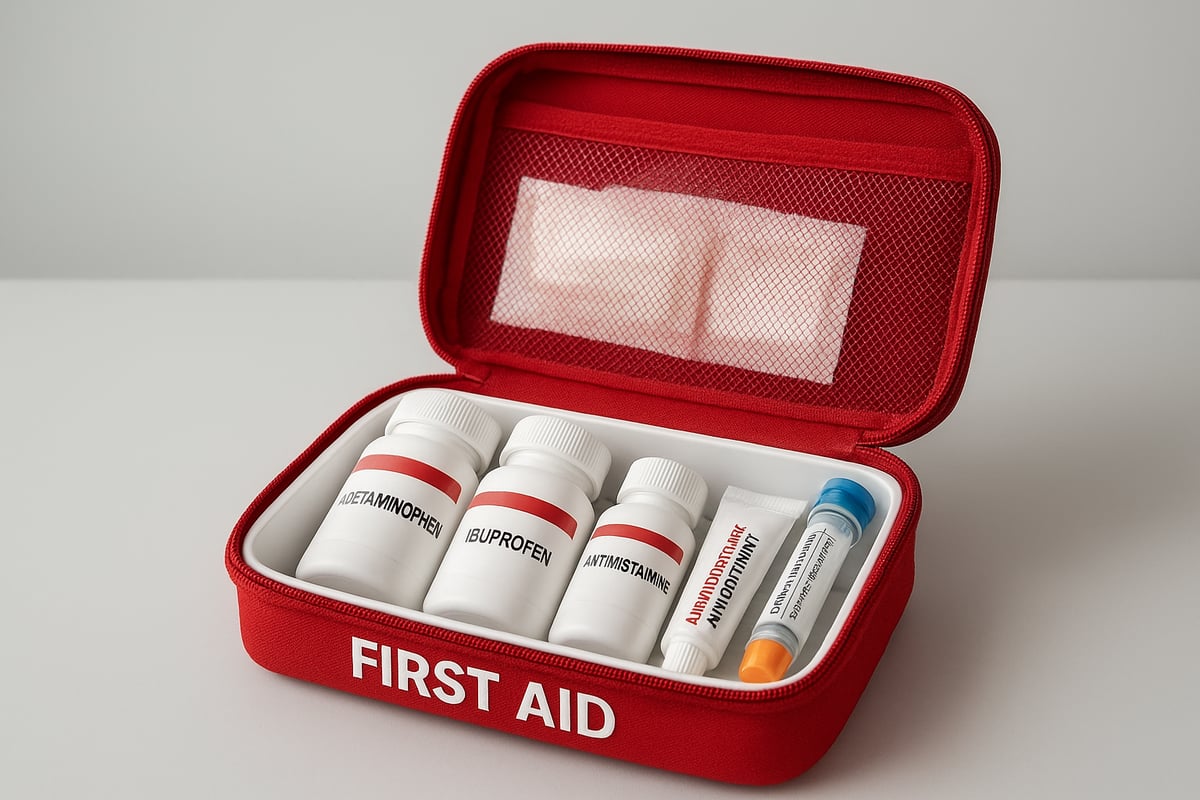
Pain and fever are among the most common symptoms treated with first aid kit medications. Stock both acetaminophen (Tylenol) and NSAIDs like ibuprofen or naproxen. Acetaminophen is generally safe for all ages, while NSAIDs help with inflammation and muscle aches. Include tablets for adults and chewable or liquid forms for children.
- Acetaminophen: fever and mild pain.
- Ibuprofen/Naproxen: inflammation, muscle pain, fever.
- Dosage tools: dosing cups, syringes for accuracy.
According to Verywell Health, ibuprofen is the most frequently used pain reliever in first aid kits. Having both types ensures comprehensive pain and fever coverage for all family members.
Allergy and Anaphylaxis Management
Allergic reactions can escalate rapidly, making allergy medications a vital part of first aid kit medications. Include both fast-acting and non-drowsy antihistamines.
- Diphenhydramine (Benadryl): quick relief for acute reactions.
- Loratadine (Claritin): daily, non-drowsy control.
- Epinephrine auto-injector (EpiPen): for severe, life-threatening allergies (prescription needed).
Statistics show that 1 in 50 Americans are at risk of anaphylaxis, making epinephrine auto-injectors a standard inclusion for high-risk individuals. Always check expiration dates and ensure everyone knows how to use these medications.
Wound and Skin Care Medications
Infection prevention and skin irritation management are key functions of first aid kit medications. Include products to treat wounds and alleviate skin discomfort.
- Triple antibiotic ointment: Neosporin or bacitracin for minor cuts.
- Hydrocortisone cream: reduces itching and inflammation from rashes.
- Antiseptic wipes or sprays: cleans wounds before bandaging.
Proper wound care reduces the risk of complications and speeds healing. Rotate ointments regularly to avoid expired products.
Gastrointestinal Relief
Digestive issues can arise unexpectedly, especially during travel or after questionable meals. First aid kit medications for gastrointestinal relief help manage discomfort and avoid dehydration.
- Antacids: relieve heartburn or indigestion.
- Anti-diarrheals (loperamide/Imodium): control diarrhea during illness or travel.
- Oral rehydration salts: restore fluids lost from vomiting or diarrhea.
For more detailed guidance, refer to trusted resources on Gastrointestinal Medications in First Aid Kits to ensure correct dosages and scenarios.
Cold, Cough, and Sinus Relief
Respiratory symptoms are common, especially in group or travel settings. Stocking first aid kit medications for colds and coughs can help manage discomfort and speed recovery.
- Decongestants: clear nasal passages.
- Cough suppressants: soothe persistent coughs.
- Throat lozenges: ease sore throat.
Including these items is especially important for travel and communal kits, where minor illnesses can spread quickly.
Motion Sickness and Nausea
For those prone to motion sickness or unexpected nausea, first aid kit medications should include effective, age-appropriate options.
- Dimenhydrinate (Dramamine): for motion sickness.
- Meclizine: long-lasting relief, suitable for adults and children.
- Instructions: always follow age-specific dosing guidelines.
These medications are essential for families, frequent travelers, and anyone participating in outdoor adventures.
Key Arguments and Perspectives
Balancing comprehensive coverage and portability is key when selecting first aid kit medications. Consider user age, allergies, and chronic conditions to ensure your kit meets all potential needs.
Over 60% of first aid kit users report using pain relievers and allergy medications most frequently. Regularly updating your supplies and customizing your kit ensures you are prepared for any emergency in 2026.
Customizing Your First Aid Kit: Special Considerations for 2026
Selecting the right first aid kit medications for your unique needs requires thoughtful customization. In 2026, evolving lifestyles and diverse environments mean a one-size-fits-all approach is no longer effective. Customization ensures your kit remains relevant, safe, and compliant for any scenario.
Assessing Your Environment and Activities
Begin by evaluating where and how you will use your first aid kit medications. Home kits may need allergy and fever relief, while workplace kits often require a broader stock to address group needs. Travelers and outdoor enthusiasts should factor in risks like temperature extremes, humidity, and limited access to pharmacies.
For example, medications can lose potency faster in hot cars or humid climates. Use insulated containers or store your kit in climate-controlled locations whenever possible. Assess whether your activities—like hiking, camping, or international travel—require extra items such as oral rehydration salts or specific insect bite treatments.
A quick comparison table can help:
| Environment | Medication Priorities |
|---|---|
| Home | Allergy, pain relief, children’s meds |
| Workplace | Broad coverage, bulk supplies |
| Travel/Outdoor | Anti-diarrheals, rehydration, motion sickness |
| Vehicle | Heat-stable meds, duplicates for emergencies |
Regularly review your environment, as changes in travel or activity patterns may require updating your first aid kit medications.
Accounting for Age Groups and Medical Conditions
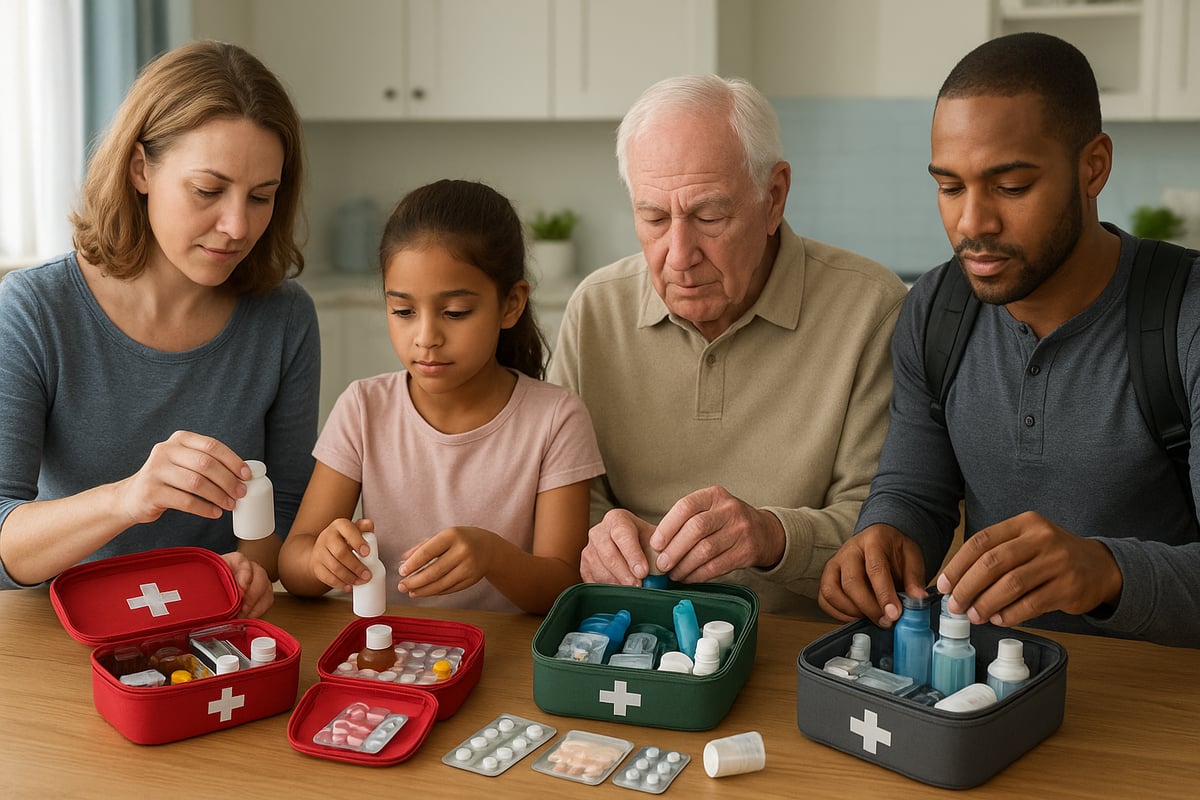
The age and health status of potential users significantly impact which first aid kit medications you should include. For families with children, prioritize child-safe medications, dosing syringes, and clear instructions. Always store poison control information with your kit.
Elderly users may require easy-to-open packaging and clear labels to prevent confusion. Be mindful of potential medication interactions, especially if chronic conditions are present. For those managing asthma, diabetes, or severe allergies, ensure personal prescriptions and critical supplies are always current and accessible.
Documentation, such as emergency contact and allergy lists, should be updated regularly. By tailoring your first aid kit medications to these needs, you reduce the risk of errors and improve outcomes in urgent situations.
Legal and Liability Issues
Legal considerations are increasingly important when customizing first aid kit medications. Laws about sharing or administering medications can vary, especially in workplaces or schools. Some settings require specific authorization or documentation before staff can give medication to others.
For instance, aspirin is now recommended solely for adults in kits due to the risk of Reye’s syndrome in children. Review your local and organizational policies to ensure compliance. Label each medication clearly, and include instructions for proper use to minimize liability.
Additionally, be aware of prescription requirements for items like epinephrine auto-injectors. Following current regulations helps protect both the user and the provider of first aid kit medications.
International and Travel Considerations
Travel introduces unique challenges for first aid kit medications. Each country has its own regulations regarding what medications can be brought in, and some require documentation or prescriptions for over-the-counter products. Always research your destination’s rules before packing your kit.
Travelers often face issues at borders due to missing paperwork or prohibited substances. Carry copies of prescriptions and keep all medications in original packaging with clear labels. About 30% of travelers encounter medication-related obstacles when crossing borders, highlighting the importance of advance planning.
Consider local health risks as well. For example, anti-diarrheals and oral rehydration salts are essential for trips to regions with questionable water safety. Customizing your first aid kit medications for international travel ensures you stay prepared and compliant wherever you go.
Emergency Preparedness for Groups & Key Insights
When preparing first aid kit medications for families, teams, or organizations, scale your supplies to fit the group’s size and needs. Larger kits require careful rotation and tracking of expiration dates. Assign someone to maintain the kit and schedule regular reviews.
Pre-assembled kits designed for group emergencies, such as those found in Large First Aid Kit Options, can simplify this process while ensuring comprehensive coverage. These solutions are especially valuable for organizations seeking expert guidance in stocking appropriate first aid kit medications.
Customization is not a one-time task. Regularly review and update your kit to reflect new health risks, changing group dynamics, and evolving regulations. This proactive approach maximizes safety, compliance, and peace of mind in any emergency.
Safe Storage, Expiration, and Maintenance of First Aid Kit Medications
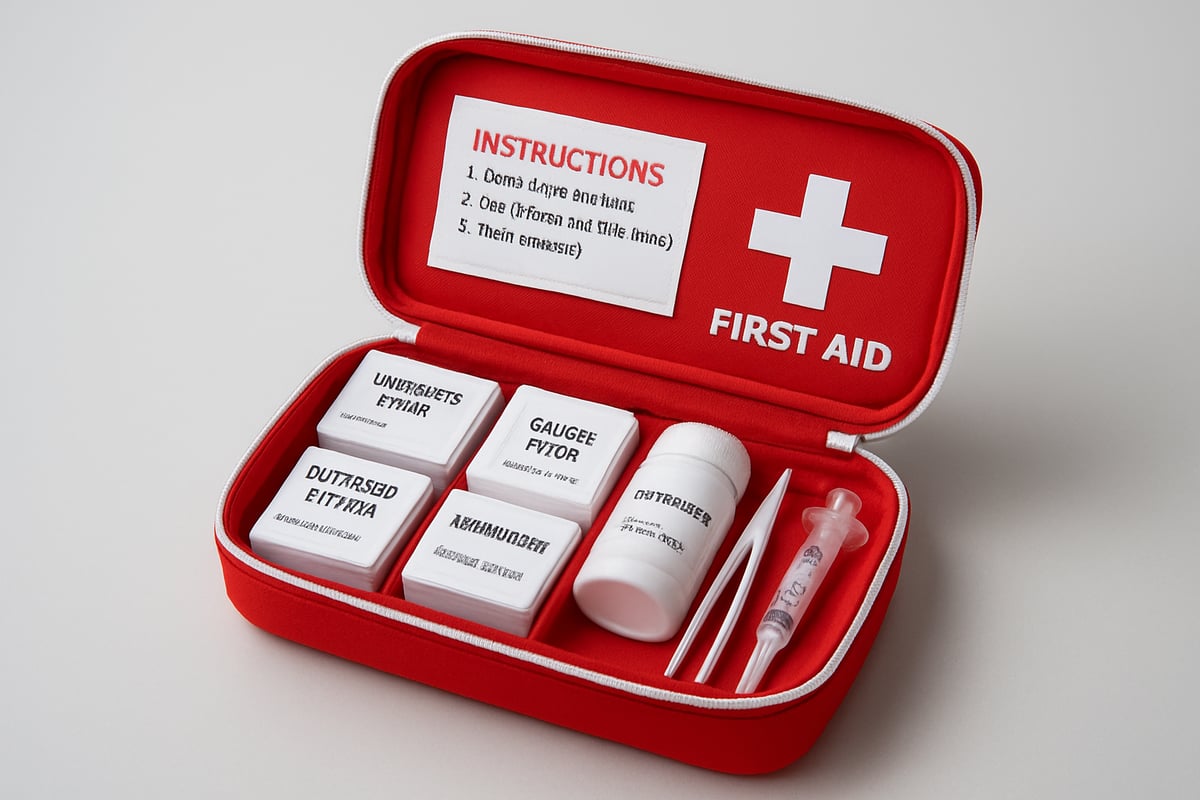
Keeping your first aid kit medications safe and effective is critical for reliable emergency response. Proper storage, regular monitoring, and systematic maintenance ensure your supplies work when you need them most. Overlooking these steps can lead to decreased potency or even harmful effects.
Proper Storage Conditions
Storing first aid kit medications in the right environment preserves their effectiveness. Choose a cool, dry, and dark place, such as a closet or cabinet away from direct sunlight and moisture.
Avoid storing your kit in areas prone to temperature swings, like vehicles or bathrooms. Medications exposed to heat, humidity, or light can degrade faster, reducing their potency and shelf life.
Quick tips for safe storage:
- Keep away from stoves, radiators, and windows
- Use airtight containers or waterproof bags
- Store above ground level to avoid flooding or leaks
Monitoring Expiration Dates
Regularly checking expiration dates is essential for maintaining the safety and effectiveness of first aid kit medications. Expired medications may lose potency or even become harmful. The CDC reports that 25% of home kits contain expired products, putting users at risk.
Set a reminder to inspect your kit every 6 to 12 months. When checking, remove any expired or damaged items promptly. For detailed advice, review these First Aid Kit Expiration Guidelines from the Red Cross.
Labeling and Instructions
Clear labeling is critical for safe and effective use of first aid kit medications, especially in high-stress situations. Each medication should display its name, dosage, instructions, and expiration date.
Include dosing tools for liquids and children’s medications to prevent errors. Use bold, legible font and waterproof labels to ensure information stays readable over time.
Safe Disposal of Expired or Unused Medications
Improper disposal can harm the environment or pose safety risks. Follow FDA guidelines for medication disposal:
- Use medication take-back programs when available
- If not, mix medications (not controlled substances) with undesirable substances like coffee grounds before trashing
- Do not flush medications unless specifically instructed
Always remove personal information from packaging before disposal.
Restocking and Record-Keeping
Maintaining a current inventory helps you track which first aid kit medications need replenishment. Create a checklist and update it after every use or scheduled review.
Store your kit in a consistent, accessible location to make restocking easier. Set calendar reminders for semi-annual or annual checks to stay on top of maintenance.
Key Arguments and Insights
Consistent maintenance of first aid kit medications is as important as the initial stocking process. Well-maintained kits boost safety and reliability during emergencies, ensuring you are always prepared.
Neglecting maintenance can lead to expired or ineffective supplies, putting lives at risk. Make reviewing and updating your kit part of your regular routine for peace of mind.
Step-by-Step Guide: How to Update and Maintain Your First Aid Kit Medications for 2026
Keeping your first aid kit medications up to date is critical for effective emergency preparedness. A well-maintained kit ensures you can respond quickly, safely, and confidently when it matters most. This step-by-step guide will help you systematically review, update, and maintain your first aid kit medications for 2026, so you are always ready for unexpected events.
Step 1: Inventory Your Current Kit
Begin by emptying your kit and laying out all items. List every medication, including pain relievers, allergy treatments, and wound care products. Check each item’s expiration date, and inspect packaging for damage or moisture.
Immediately discard expired or compromised medications. Use a table to track medication names, expiration dates, and quantities. This inventory process helps you identify gaps and prevents accidental use of ineffective or unsafe first aid kit medications.
Step 2: Assess Your Current Needs
Evaluate your household, workplace, or travel group. Have there been changes in health status, family members, or activity levels since your last update? Consider new allergies, chronic conditions, or upcoming trips that might require different first aid kit medications.
For example, if a family member was recently diagnosed with asthma, ensure you have inhalers and related supplies. Regular needs assessments keep your kit aligned with real-life risks and scenarios.
Step 3: Research Latest Recommendations
Stay informed about updated guidelines for first aid kit medications. Consult reputable sources such as the Red Cross, CDC, and FDA for 2026 updates. Look for new medication options, improved formulations, or recent safety advisories.
If you discover new antihistamines or pain relievers with better profiles, consider including them. Researching ensures your kit reflects the latest best practices and medical advice.
Step 4: Purchase and Add Essential Medications
Buy replacements for expired items and add any new medications identified in your needs assessment. Choose appropriate dosage forms, such as chewables for children or tablets for adults. Include dosing tools, like oral syringes or measuring cups, for accuracy.
Ensure all first aid kit medications are in original packaging to preserve labeling and instructions. Purchasing from trusted suppliers helps avoid counterfeit or substandard products. Keep receipts and documentation for prescription items if needed.
Step 5: Organize and Label Medications Clearly
Arrange your kit for quick access during emergencies. Use waterproof bags or containers to separate medication types, and place most-used items in easily reachable spots. Label each medication with its name, use instructions, and expiration date.
For liquid medications, attach dosing devices and include weight-based dosing charts if children use the kit. Clear organization speeds up response time and reduces errors when using first aid kit medications.
Step 6: Store Kit in an Accessible, Safe Location
Place your kit in a cool, dry, and easily accessible area known to all household members. Avoid bathrooms, vehicles, or spots with temperature swings, as these can degrade medication effectiveness. For additional tips, consult Safe Storage Tips for Kits to maintain medication quality.
Ensure medications are out of children’s reach unless the kit is specifically for child use. Proper storage extends the shelf life and reliability of your first aid kit medications.
Step 7: Set a Maintenance Schedule
Mark your calendar for regular kit reviews, at least every 6 to 12 months. After any use or significant life change, revisit your kit to restock and update as necessary.
Keep an inventory checklist and note when items are replaced. Consistent maintenance prevents surprises and ensures your first aid kit medications are always ready for emergencies.
Maintaining your kit is an ongoing process, not a one-time task. By following these steps, you create a reliable safety net for yourself and your loved ones. An updated, well-organized supply of first aid kit medications can make a crucial difference when seconds count.
Trusted Sources for First Aid Kit Medications and Supplies
Selecting the right sources for first aid kit medications is crucial for maintaining safety and effectiveness. With a growing range of products available both offline and online, it is essential to choose suppliers that guarantee quality and compliance.
Where to Buy Quality First Aid Kit Medications
You can purchase first aid kit medications from local pharmacies, medical supply stores, and trusted online retailers. Each option has its own advantages. Pharmacies offer face-to-face guidance, while online platforms provide convenience and a wider selection.
Recent trends show an 18% increase in online purchases of first aid kit medications since 2020. However, buying from reputable sources is vital to avoid counterfeit or expired items. Look for platforms that specialize in medical supplies and offer detailed product information.
What to Look for in a Supplier
When choosing a supplier for first aid kit medications, consider the following:
- FDA-approved products with clear labeling and expiration dates.
- Reliable customer service for questions or concerns.
- Options for pre-assembled kits or customizable builds, depending on your needs.
- Access to specialized supplies, such as Burn Treatment Products for Kits, which can enhance your kit’s wound care capabilities.
A trustworthy supplier ensures that each medication in your kit is safe, effective, and up to date.
Comparison Table: Pre-Assembled vs. Custom Kits
| Feature | Pre-Assembled Kits | Custom Kits |
|---|---|---|
| Convenience | High | Moderate |
| Customization | Limited | High |
| Quality Control | Supplier-dependent | User-controlled |
| Time Investment | Low | Higher |
Medical Gear Outfitters: Your Partner in Emergency Preparedness
Medical Gear Outfitters stands out as a reliable source for first aid kit medications and supplies. Operated by an experienced paramedic, this provider offers expertly curated kits for individuals, families, and organizations.
Their selection includes trusted brands, bulk ordering options, and customizable solutions. Beyond products, Medical Gear Outfitters provides educational resources to help users understand and confidently use their supplies. This focus on both knowledge and quality makes them a valuable partner in emergency preparedness.
By sourcing first aid kit medications from a specialist, you ensure your kit is not only complete but also in line with the latest standards.
Key Arguments and Insights
Choosing the right supplier for first aid kit medications increases both reliability and peace of mind. Expert-curated kits save time and ensure comprehensive coverage, especially for groups or families with varied needs.
Organizations and households benefit from professional guidance and the ability to purchase in bulk. In the end, investing in quality sources for first aid kit medications empowers you to respond effectively to real-world emergencies.

