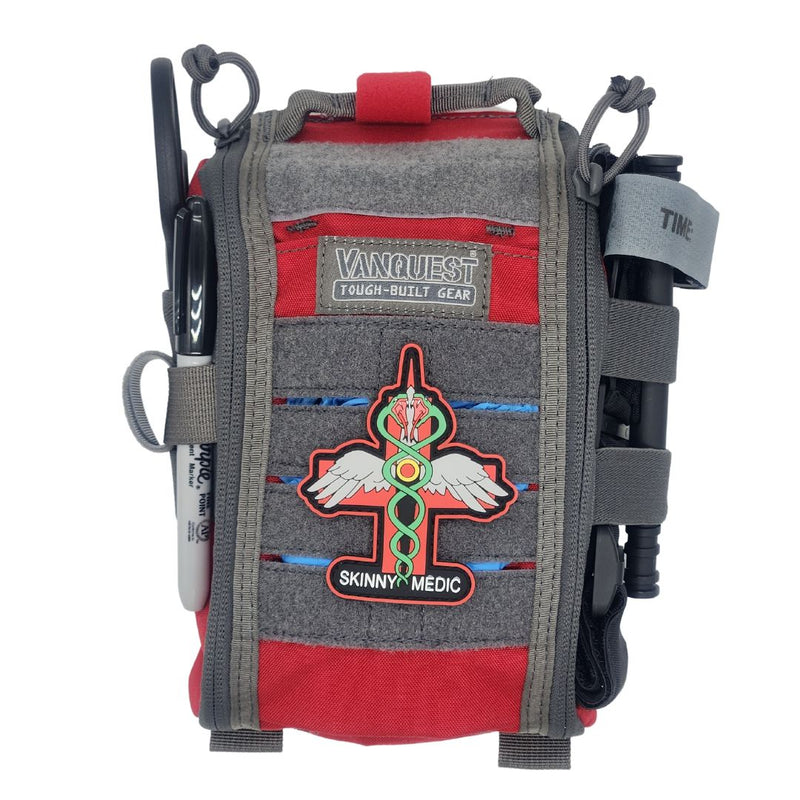
First Aid Kit for MTB: The Essential Guide for 2026
Imagine riding deep into the mountains, when an unexpected fall leaves you or a friend injured and far from help. Are you truly ready to respond? Having a first aid kit for mtb is not just smart—it can make the difference between a minor setback and a major emergency.
This guide will show you how to build the ultimate first aid kit for mtb in 2026. You will discover why these kits are essential, what to include, how to tailor them for your unique adventures, the best maintenance tips, and the latest innovations to keep you safe.
Ready to ride with confidence? Let’s get started and ensure you’re prepared for anything the trail throws your way.
Why Every Mountain Biker Needs a First Aid Kit
Mountain biking is exhilarating, but each trail comes with its own set of risks. Remote locations, unpredictable terrain, and variable weather can quickly turn a minor mishap into a serious emergency. For every rider, carrying a first aid kit for mtb adventures is not just a recommendation—it is a necessity.
Facing the Unique Risks of the Trail
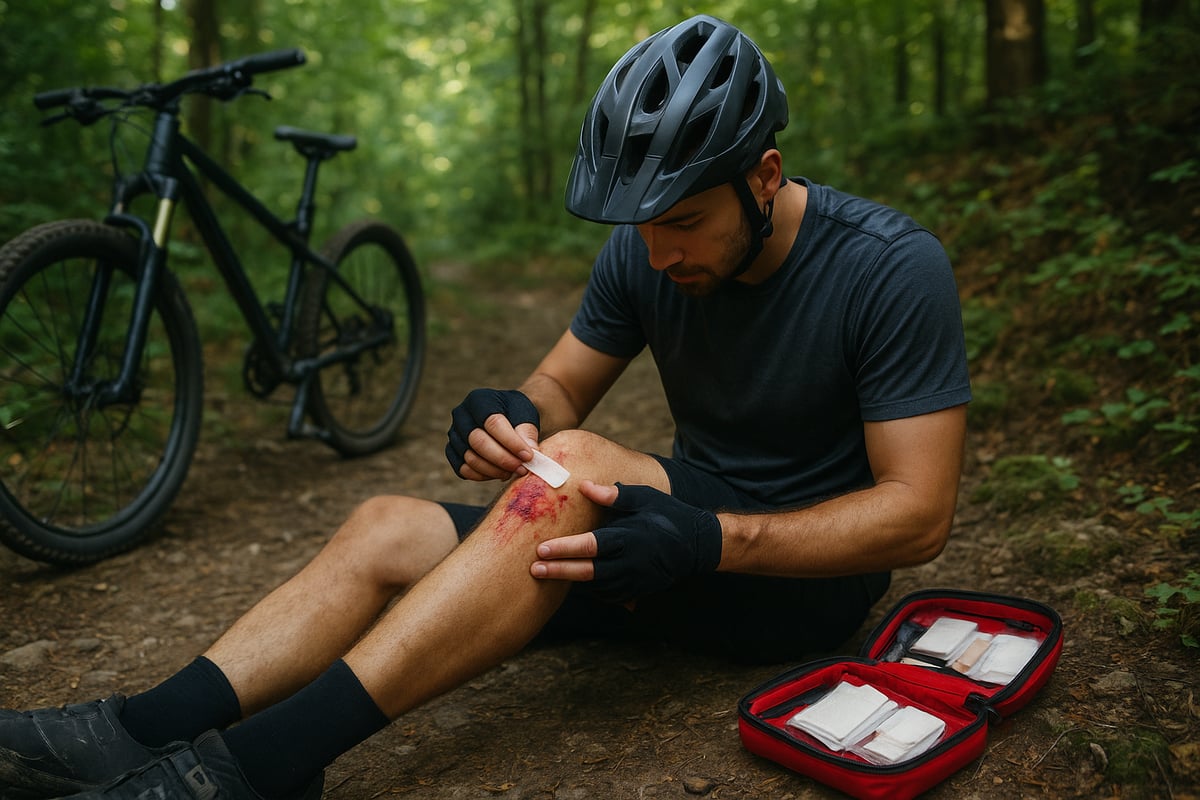
Unlike road cycling, mountain biking presents a unique blend of hazards. Riders often navigate rocky descents, root-covered paths, and tight switchbacks, increasing the risk of falls, collisions, and contact with sharp objects or branches. Environmental factors, such as sudden weather changes or wildlife encounters, can further complicate situations.
Recent mountain biking injury statistics reveal that over 70% of MTB accidents occur on remote trails, far from immediate medical help. This highlights why a first aid kit for mtb is essential for every outing.
The Importance of Immediate Response
When injuries happen, time is critical. Immediate access to a first aid kit for mtb scenarios can reduce the severity of wounds, manage bleeding, and prevent infections. Quick intervention is especially vital when medical assistance might be hours away.
Consider the story of a rider who suffered a deep laceration after a fall. Thanks to a well-stocked first aid kit for mtb, the wound was cleaned, dressed, and stabilized on the spot, avoiding infection and a costly evacuation.
Legal and Ethical Responsibilities
If you ride in a group or lead events, carrying a first aid kit for mtb is not just about personal safety. There is a legal and ethical responsibility to be prepared for emergencies involving others. In some jurisdictions, event organizers are required to provide adequate first aid resources for participants.
Preparedness also means being able to assist fellow riders, especially in remote areas where waiting for professional help could mean the difference between a quick recovery and long-term complications.
Peace of Mind on Every Ride
Having a first aid kit for mtb adventures provides peace of mind. When you know you are ready to handle injuries, you can focus on enjoying the ride. This confidence encourages safer decision-making and allows you to push your limits, knowing you are prepared for the unexpected.
MTB vs. Road Cycling: Comparing Injury Profiles
Let’s break down the differences between mountain biking and road cycling injuries:
| Factor | Mountain Biking | Road Cycling |
|---|---|---|
| Common Injuries | Cuts, abrasions, fractures, sprains | Road rash, fractures, concussions |
| Location | Remote, hard-to-access trails | Urban or suburban roads |
| Response Time | Often delayed due to remoteness | Quicker, due to proximity |
| First Aid Needs | Bleeding control, immobilization | Wound cleaning, basic bandages |
A first aid kit for mtb must be tailored for more severe injuries and longer response times compared to road cycling.
Solo vs. Group Rides: Kit Roles
When riding solo, a first aid kit for mtb is your lifeline. It ensures you can manage injuries until help arrives. In group rides, the kit serves the whole team, allowing you to assist others and coordinate care.
Regardless of group size, carrying a first aid kit for mtb is a sign of respect for the sport, your companions, and yourself. It transforms potential disasters into manageable situations, making every ride safer and more enjoyable.
Essential Components of an MTB First Aid Kit in 2026
Building the right first aid kit for mtb is more than just ticking off a checklist. It means anticipating the unique demands of mountain biking in 2026, from remote environments to the latest medical innovations. Whether you ride solo or in groups, your first aid kit for mtb should be tailored for rapid, effective response on any trail.
Wound Care Essentials
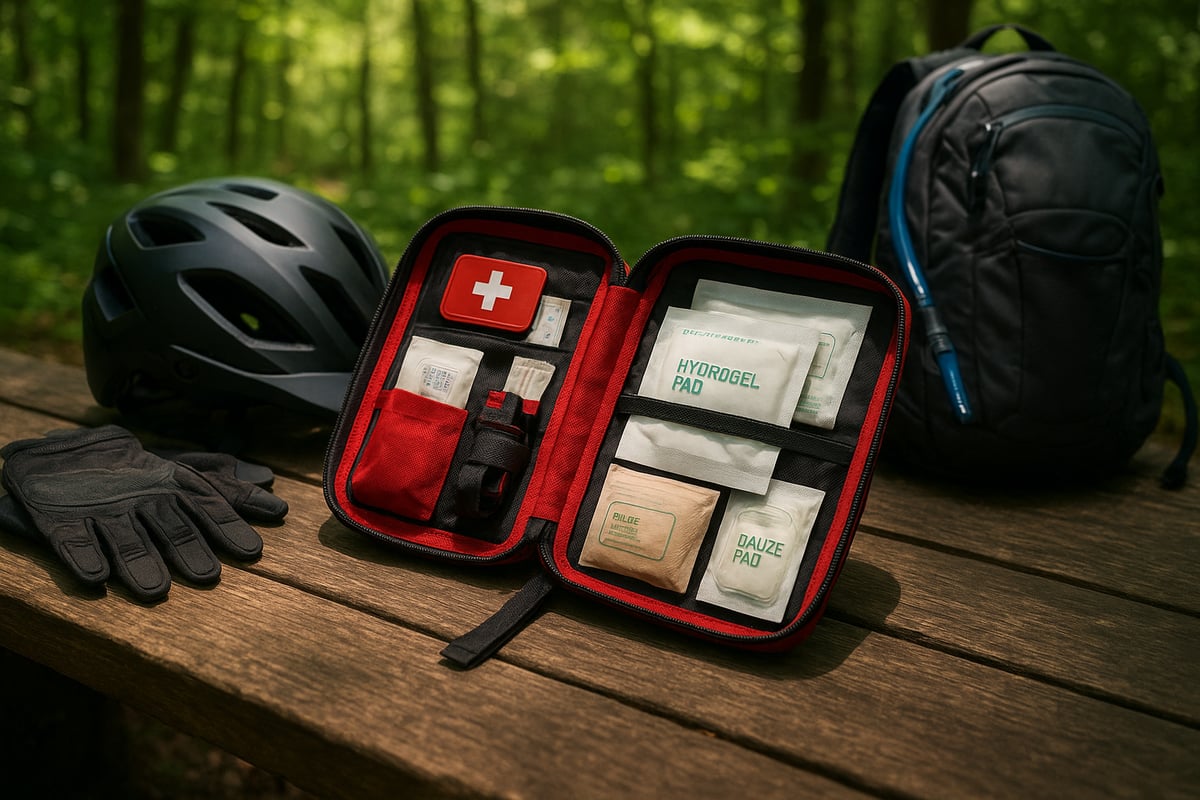
Wound care remains the foundation of any first aid kit for mtb. In 2026, advancements in materials mean you have access to more effective and compact supplies than ever before. Your kit should include:
- Sterile gauze pads in various sizes
- Adhesive bandages, including flexible options for joints
- Antiseptic wipes and alcohol prep pads
- Hydrogel pads for burns and abrasions
- Waterproof dressings and medical tape
For a deeper dive into wound care must-haves, check out the top first aid kit items recommended by experts.
Bleeding Control Supplies
Mountain biking injuries often involve cuts or lacerations that can bleed heavily. The right first aid kit for mtb must address bleeding control with:
- Modern, lightweight tourniquet
- Hemostatic agents (advanced powders or dressings)
- Pressure bandages with easy-apply features
- Rolled gauze for packing wounds
These items are vital for stopping blood loss quickly in remote settings.
Fracture and Sprain Management
Falls can lead to sprains or even fractures. Prepare your first aid kit for mtb with:
- Compact splint (foldable or moldable)
- Elastic compression wraps for joint injuries
- Triangular bandage (multi-use: sling, wrap, or padding)
- Self-adhesive bandage tape
Quick stabilization is key, especially when help may be far away.
Environmental Protection
Riders face unpredictable weather and natural hazards. Your first aid kit for mtb should contain:
- Emergency mylar blanket (compact and heat-retaining)
- Burn dressings for fire or friction burns
- Insect sting and bite relief pads
- Sunburn gel or aloe packets
- Rehydration salts or electrolyte tablets
These items help you manage exposure, bites, and dehydration.
Essential Tools
Having the right tools increases the versatility of your first aid kit for mtb:
- Trauma shears (cut clothing or gear)
- Fine-point tweezers (remove splinters or ticks)
- Safety pins (secure bandages or clothing)
- CPR face shield or mask (emergency resuscitation)
- Small flashlight or headlamp
Organize these tools for fast access during emergencies.
Medications to Include
Medications can make a significant difference in comfort and recovery time. A comprehensive first aid kit for mtb should feature:
- Pain relievers (acetaminophen or ibuprofen)
- Antihistamine tablets (allergic reactions)
- Anti-inflammatory medication
- Antacid tablets
- Electrolyte tabs for rapid hydration
Always check expiration dates and tailor medications to your own medical needs.
Personal and Emergency Information
A first aid kit for mtb is only as effective as the information you carry with it. Key personal items are:
- Medical info card with allergies, conditions, and medications listed
- Emergency contact details (laminated or digital QR code)
- Small whistle for signaling
- Waterproof notebook and pencil for incident notes
These details support communication and care if you are unable to speak for yourself.
Weight and Size Considerations
Portability is crucial for any first aid kit for mtb. Modern kits use compact, modular pouches and lightweight containers. Choose eco-friendly packaging and prioritize multi-use items to keep your kit light without sacrificing readiness.
Here’s a quick summary of the essentials:
| Category | Must-Have Items |
|---|---|
| Wound Care | Gauze, bandages, antiseptics, hydrogel pads |
| Bleeding Control | Tourniquet, hemostatic agent, pressure bandage |
| Fracture/Sprain | Splint, elastic wrap, triangular bandage |
| Environmental | Blanket, burn dressing, insect relief, electrolytes |
| Tools | Trauma shears, tweezers, CPR mask, flashlight |
| Medications | Pain relievers, antihistamines, anti-inflammatories |
| Personal Info | Medical card, contacts, whistle |
Selecting the best first aid kit for mtb means balancing thoroughness with the realities of trail riding. Regularly review and update your kit’s contents to stay ahead of evolving best practices and innovations. Preparedness is not just about what you carry, but knowing how to use every item when it matters most.
How to Customize Your MTB First Aid Kit
Every mountain biker knows that no two rides are the same. Customizing your first aid kit for mtb adventures ensures you are prepared for the unique challenges each trail presents. A one-size-fits-all approach rarely works in the unpredictable world of mountain biking. By tailoring your kit, you maximize safety without carrying unnecessary weight.
Assess Your Riding Style
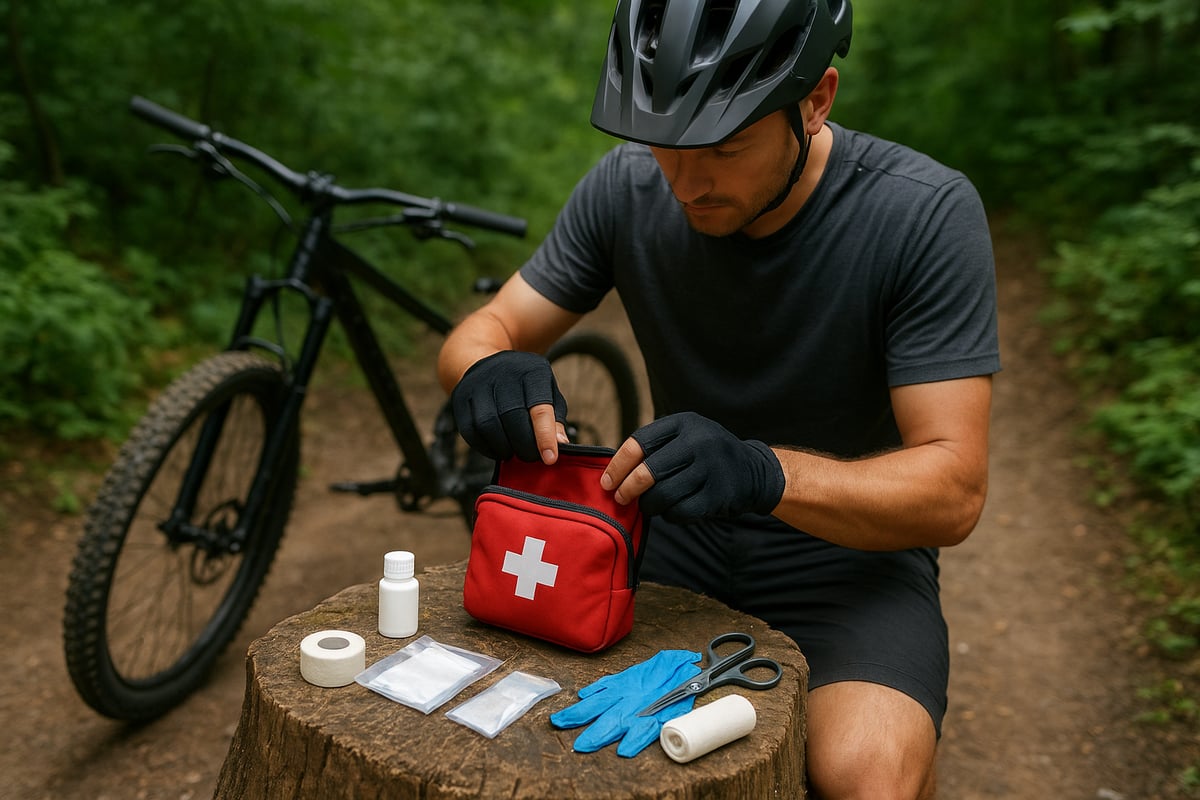
Begin by considering how and where you ride. Solo riders need a self-sufficient first aid kit for mtb outings, including items for injuries that may require immediate care without help. Group riders can distribute supplies among members, allowing for more specialized equipment. Multi-day trips call for expanded kits with extra wound care, medications, and emergency shelter items.
- Solo: Self-rescue tools, compact essentials
- Group: Shared splints, larger bandages
- Multi-day: Extra supplies, blister care, water purification
Adapt to Terrain and Climate
Your first aid kit for mtb should reflect the environments you frequent. Alpine trails may require cold-weather items like thermal blankets, while desert rides demand electrolyte tablets and sunburn remedies. High-humidity regions benefit from waterproof packaging and anti-fungal treatments. Always check the weather and trail conditions before packing.
Account for Medical Conditions and Group Size
Personalize your first aid kit for mtb by including any necessary prescription medications, allergy treatments, or inhalers. Carry a copy of your medical info and emergency contacts. When riding in larger groups, scale up supplies accordingly. A table can help you decide what to bring:
| Kit Item | Solo Rider | Small Group | Large Group |
|---|---|---|---|
| Bandages | 4 | 8 | 12 |
| Pain Relievers | 4 | 8 | 12 |
| Splints | 1 | 2 | 3 |
| Gloves (pairs) | 1 | 2 | 3 |
Consider Special Needs and Pack Weight
If you ride with children, pets, or adaptive athletes, add relevant supplies such as pediatric doses or animal-safe wound care. The goal is to balance thoroughness with portability. To keep your first aid kit for mtb streamlined, prioritize multi-use items and lightweight packaging. For more ideas on minimizing bulk while staying prepared, check out these compact first aid kit tips.
Real-World Examples and Final Thoughts
Many riders customize their first aid kit for mtb based on destinations. For example, those heading to Moab pack extra hydration salts and burn dressings, while riders in the Pacific Northwest focus on waterproofing and anti-sting treatments. Continually refine your kit by reviewing post-ride experiences. The right customization means you are ready for anything, confident that your safety is in your own hands.
Step-by-Step Guide: Packing and Using Your MTB First Aid Kit
Preparing your first aid kit for mtb is as essential as tuning your bike before a ride. An organized, well-stocked kit ensures you can respond quickly and confidently, no matter what the trail throws your way. Follow this step-by-step guide to maximize your safety and peace of mind.
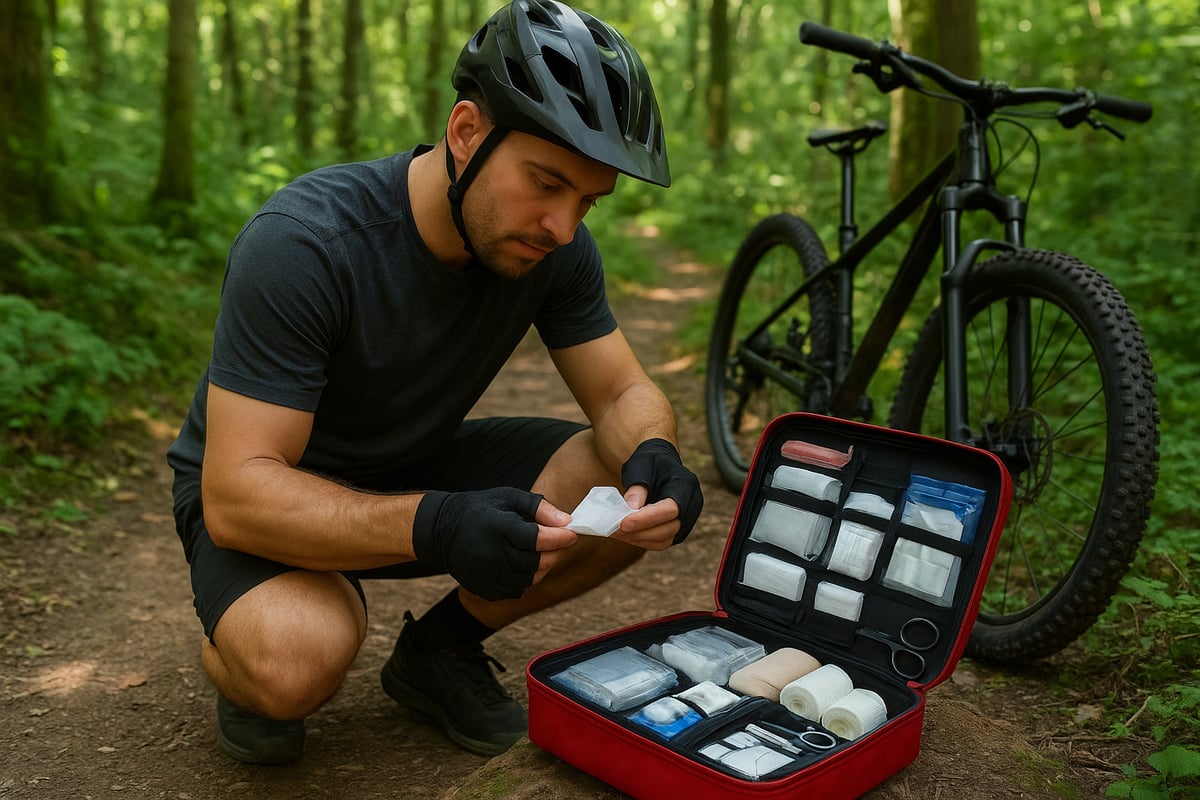
Step 1: Inventory and Check Expiration Dates
Before every ride, take a few minutes to review your first aid kit for mtb. Lay out all supplies and check for missing items or those that are running low. Carefully inspect expiration dates on medications, ointments, and sterile dressings.
Replace any expired or damaged components immediately. A complete, up-to-date kit is your first line of defense on the trail.
Step 2: Organize for Quick Access
A well-organized first aid kit for mtb saves precious seconds during an emergency. Sort items by injury type, such as wound care, bleeding control, and fracture management. Use clear pouches or color-coded compartments for easy identification.
- Group similar supplies together
- Label each section, if possible
- Place most-used items on top
This system ensures you can find what you need, even under stress.
Step 3: Pack for Accessibility
Decide where to carry your first aid kit for mtb. Some riders prefer a hydration pack, while others opt for frame-mounted pouches or saddle bags. The key is placing it where you or a partner can reach it quickly.
Consider the benefits of smart first aid backpacks for added functionality and rapid access. These packs often feature modular storage and quick-release systems designed for mountain biking.
Step 4: Know How to Use Each Item
Familiarity with your first aid kit for mtb is critical. Practice opening packages, applying bandages, and using tools like trauma shears or tourniquets at home. Review instructions for any specialty items, such as hemostatic agents or CPR masks.
If you ride with a group, ensure everyone knows the kit’s location and basic use. Confidence comes from hands-on practice, not just carrying supplies.
Step 5: Respond to Common MTB Injuries
Mountain biking presents unique injury risks, including cuts, abrasions, sprains, and fractures. When an accident occurs, stay calm and assess the situation. Use gloves to protect yourself, clean wounds thoroughly, and control bleeding with appropriate supplies.
For more details on bleeding control and vital supplies, consult this bleeding control essentials guide. Being prepared can make the difference between a minor setback and a serious emergency.
Step 6: Communicate and Coordinate
If you are riding with others, communicate your actions and delegate tasks. Assign someone to call for help if needed, while another assists with first aid. Share your location using GPS or trail markers.
Solo riders should always carry emergency contact information and a whistle. Coordination and clear communication can save valuable time.
Step 7: Document and Restock
After using your first aid kit for mtb, document the incident. Note what supplies were used and how the injury occurred. This record helps with follow-up care and informs future kit updates.
Restock your kit as soon as possible. A quick checklist can streamline this process and ensure you are always ready for your next adventure.
Example Scenario: Treating a Deep Cut on the Trail
Imagine a rider suffers a deep cut after a fall. First, retrieve your first aid kit for mtb and put on gloves. Clean the wound with sterile wipes, then apply direct pressure using gauze to stop bleeding. Secure a pressure bandage and elevate the limb if possible.
If bleeding is severe and does not stop, use a tourniquet or hemostatic agent. Reassure the injured person, monitor for shock, and seek medical help if needed. Document the event and restock supplies afterward.
By following these steps, you ensure your first aid kit for mtb is always ready to protect you and your fellow riders—no matter where the trail leads.
Maintaining and Updating Your MTB First Aid Kit
A well-maintained first aid kit for mtb is only as effective as its contents and your readiness to use it. Regular upkeep ensures you are always prepared for any trail emergency, whether you ride solo or with a group.
Frequent inspections are essential. Set a monthly schedule to review your kit and perform a quick check after every ride. Look for expired medications, damaged packaging, or items used during recent outings. Replace anything that's missing or past its prime to keep your first aid kit for mtb fully functional.
As seasons change and new gear becomes available, adapt your kit contents. For example, add extra hydration salts in summer or hand warmers in winter. Stay current by reviewing the latest innovations in first aid kits 2026 to ensure your kit includes the most advanced and effective supplies.
Proper cleaning and storage extend the life of your kit. Wipe down containers, dry out any moisture, and store your first aid kit for mtb in a cool, dry place between rides. This prevents mold and keeps items sterile.
A simple checklist streamlines maintenance:
| Maintenance Task | Frequency | Notes |
|---|---|---|
| Inspect all contents | Monthly | Check for damage/expiration |
| Restock used/expired items | After use | Replace promptly |
| Update for weather/terrain | Seasonally | Adjust for climate/gear |
| Clean and dry kit | Monthly | Prevent mold, ensure hygiene |
| Review innovations | Annually | Add new products as needed |
For more on systematic kit upkeep, see this guide on building a family first aid kit, which offers helpful tips applicable to your MTB setup.
Share your maintenance routines and lessons learned with the MTB community. Swapping tips can help others keep their first aid kit for mtb in top shape and may even spark new ideas for your own kit.
Consistent care, timely updates, and community engagement will ensure your kit remains a reliable companion on every ride.