
First Aid Backpack Guide: Essential Tips for 2026
Preparedness for emergencies is more vital than ever in 2026, especially for outdoor adventurers, families, and professionals. Unpredictable situations can arise anywhere, making a first aid backpack an essential safeguard in daily life and excursions.
Having the right first aid backpack brings peace of mind, knowing you have the tools and organization needed to handle unexpected injuries or medical issues. With the proper gear and knowledge, you can respond swiftly and confidently.
This guide will walk you through selecting, assembling, and maintaining a first aid backpack tailored to evolving needs. Explore expert tips on backpack types, must-have supplies, organization tactics, tech upgrades, maintenance routines, and the latest trends for 2026 readiness.
Choosing the Right First Aid Backpack
Selecting the ideal first aid backpack is the foundation for effective emergency preparedness in 2026. The right pack ensures your supplies are accessible, organized, and tailored to your specific activities. Consider how your environment, group size, and potential risks influence your choice.
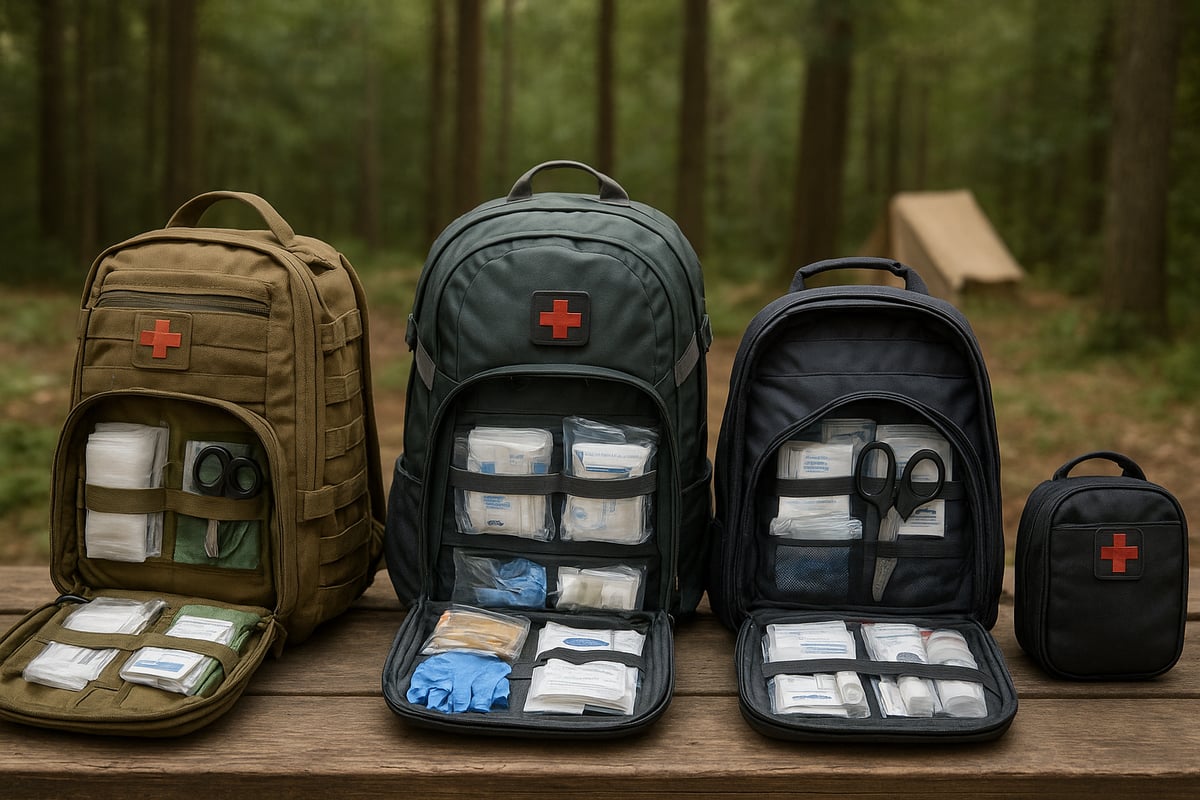
Types of First Aid Backpacks
There are several types of first aid backpack designs to suit various needs. Tactical backpacks are favored by EMS professionals for their durability and modularity, while hiking packs offer lightweight, water-resistant options ideal for solo adventurers. Family-sized backpacks prioritize organization and capacity for group outings, and compact EDC kits are perfect for everyday emergencies.
| Type | Pros | Cons |
|---|---|---|
| Tactical | Highly durable, modular | Heavier, bulkier |
| Hiking | Lightweight, water-resistant | Less space for large kits |
| Family | Spacious, organized | Can be cumbersome |
| Compact EDC | Portable, discreet | Limited capacity |
Recent forums highlight a growing trend toward customizable, modular backpacks to fit evolving scenarios. In fact, 68% of outdoor enthusiasts now prefer lightweight, water-resistant packs, according to Red Cross 2024. Matching the first aid backpack type to your activity and group size is essential. For an in-depth look at tactical options, see What's inside a tactical first aid kit.
Key Features to Look For
When evaluating a first aid backpack, focus on durability, organization, and ease of use. Materials like ripstop nylon or Dyneema offer resilience against harsh conditions. Size and capacity should balance portability with the ability to carry all essentials. Internal compartments, mesh pockets, and clear windows enhance organization and visibility, ensuring quick access during emergencies.
Accessibility is crucial; opt for quick-open designs and external pockets for critical items. Comfort matters as well, so look for ergonomic straps and padding. For example, mesh pockets work well for medications that require visibility, while sealed pouches protect trauma supplies. Prioritizing features that speed up your response time can make a significant difference in an emergency.
Balancing Weight and Functionality
A first aid backpack should be light enough for mobility without sacrificing core supplies. Overpacking can slow you down and cause fatigue, while underpacking leaves you unprepared. For day hikes, the average recommended weight is 1.5 to 3 lbs.
Decide what to include based on your health needs and risk profile. For instance, consider whether a splint or extra bandages are more valuable for your activities. Use modular pouches to customize your kit for each trip. Remember, the right balance supports both safety and comfort, helping ensure your first aid backpack never becomes a burden.
Custom vs. Pre-Made Kits
You can assemble your own first aid backpack or purchase a pre-made kit. Assembling your own allows for personalization, cost savings, and control over quality. Pre-made kits, on the other hand, are convenient and often curated by professionals to meet regulatory standards.
According to Backpacking Light 2024, 42% of users modify pre-made kits for better fit. Consider hybrid approaches: start with a base kit, then customize for allergies, chronic conditions, or children's needs. This ensures your first aid backpack is tailored precisely to your unique requirements and preferences.
Essential Contents for a 2026-Ready First Aid Backpack
Packing a first aid backpack for 2026 requires thoughtful selection and organization. Emergencies are unpredictable, so having the right contents ensures confidence and readiness in any scenario. Below, we detail the six essential categories every first aid backpack should cover, blending traditional supplies with modern innovations.
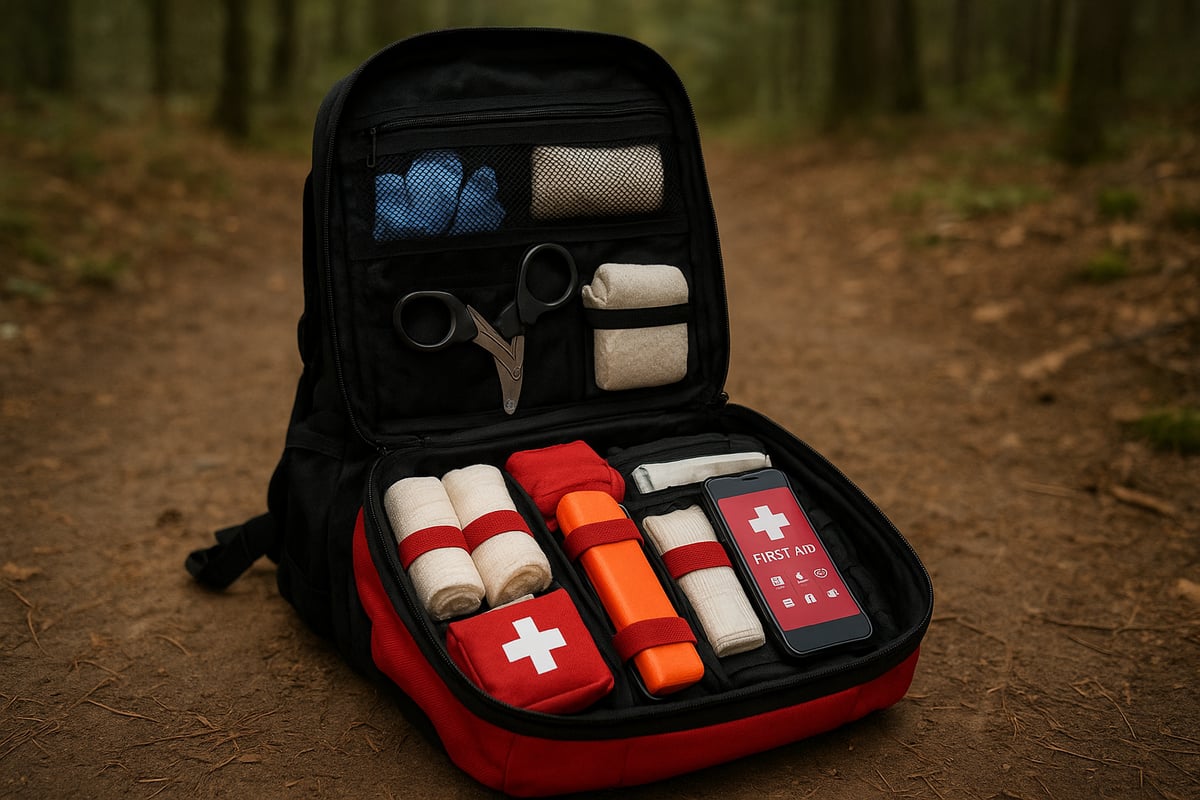
Core Medical Supplies
At the heart of every first aid backpack are the core medical supplies. These include a variety of bandages—adhesive strips, gauze pads, and elastic wraps—for managing cuts and wounds. Antiseptics like wipes, sprays, and ointments help prevent infection. Splints, such as SAM splints or foldable alternatives, are vital for stabilizing fractures. Trauma shears and tweezers assist in cutting clothing or removing debris, while latex-free nitrile gloves ensure safe handling.
A practical example is using transparent dressings, which allow you to monitor wounds without removing them. According to the Red Cross, the top five most-used items in field emergencies are adhesive bandages, gloves, antiseptic wipes, gauze pads, and trauma shears. For a complete overview of recommended supplies and practical tips, consult the Hiking First Aid Kit Checklist. Including these basics in your first aid backpack lays a strong foundation for effective response.
Advanced Trauma and Emergency Gear
A first aid backpack should also be equipped for severe or unexpected emergencies. Essential trauma gear includes commercial tourniquets, pressure bandages, and hemostatic agents like QuikClot to control bleeding. Chest seals treat penetrating injuries, while burn dressings and gels soothe and protect skin damage. If you have proper training, include airway adjuncts such as nasal or oral airways.
For example, knowing how to apply a tourniquet or hemostatic dressing can be life-saving in critical moments. Recent trends show that trauma gear is no longer reserved for professionals; more outdoor enthusiasts and families are adding these tools to their first aid backpack. This shift reflects the growing importance of being prepared for high-risk situations in 2026.
Medications and Personal Items
Medications are a crucial part of any first aid backpack. Always pack over-the-counter pain relievers such as acetaminophen and ibuprofen. Allergy medications, including antihistamines and epinephrine auto-injectors, can address reactions quickly. Store prescription medications in labeled, waterproof containers, and ensure they remain stable in varying temperatures. Glucose tablets are a must for diabetics, and blister care items like moleskin or hydrocolloid bandages prevent minor injuries from becoming major setbacks.
Remember to clearly label all medications and keep documentation for dosages and schedules. Statistics indicate that 30 percent of field emergencies involve allergic reactions or pain management, highlighting the need for these items in your first aid backpack.
Tools and Support Gear
Beyond medical supplies, your first aid backpack should contain essential tools and support gear. A digital thermometer provides accurate temperature readings, while a compact emergency blanket offers warmth and shock protection. Irrigation syringes are useful for cleaning wounds. Medical tape, safety pins, and a basic repair kit help secure bandages or fix gear in the field.
Documentation tools are often overlooked but are vital. Include a waterproof notepad, pen, and instruction cards for quick reference. For instance, having a laminated medication chart or wound care guide can prevent errors under stress. Data shows that 55 percent of users forget documentation tools, so make sure your first aid backpack is fully equipped.
Hygiene and Infection Control
In 2026, hygiene and infection control remain top priorities for any first aid backpack. Pack hand sanitizer and soap sheets for quick cleaning, especially when water is scarce. Face masks—both surgical and N95—help protect against airborne pathogens. Eye protection shields you during medical procedures, and biohazard disposal bags ensure safe handling of contaminated materials.
The impact of COVID-19 has reshaped first aid hygiene practices, making infection control supplies standard in every first aid backpack. Prioritizing these items helps prevent the spread of illness during emergencies.
Tech and Digital Additions
Modern first aid backpack designs embrace technology for added safety and convenience. Emergency contact cards with QR codes provide instant access to important information. Pre-load first aid apps or instructional videos on your smartphone for offline reference. Include a portable charger or power bank to keep devices running in the field. GPS beacons or personal locator devices can be life-saving if you need to signal for help.
A practical example is downloading Red Cross first aid guides for offline use. Recent data show that 47 percent of hikers now rely on digital guides for first aid procedures. Integrating these tech tools into your first aid backpack ensures you are prepared for both traditional and modern emergencies.
Organizing and Packing Your First Aid Backpack
A well-organized first aid backpack can make the difference between a swift, effective response and a chaotic scramble during an emergency. The way you categorize, arrange, and maintain your supplies directly impacts your ability to manage stress and save time when it matters most. Use these proven steps to ensure your kit is always ready, accessible, and tailored for your specific needs.
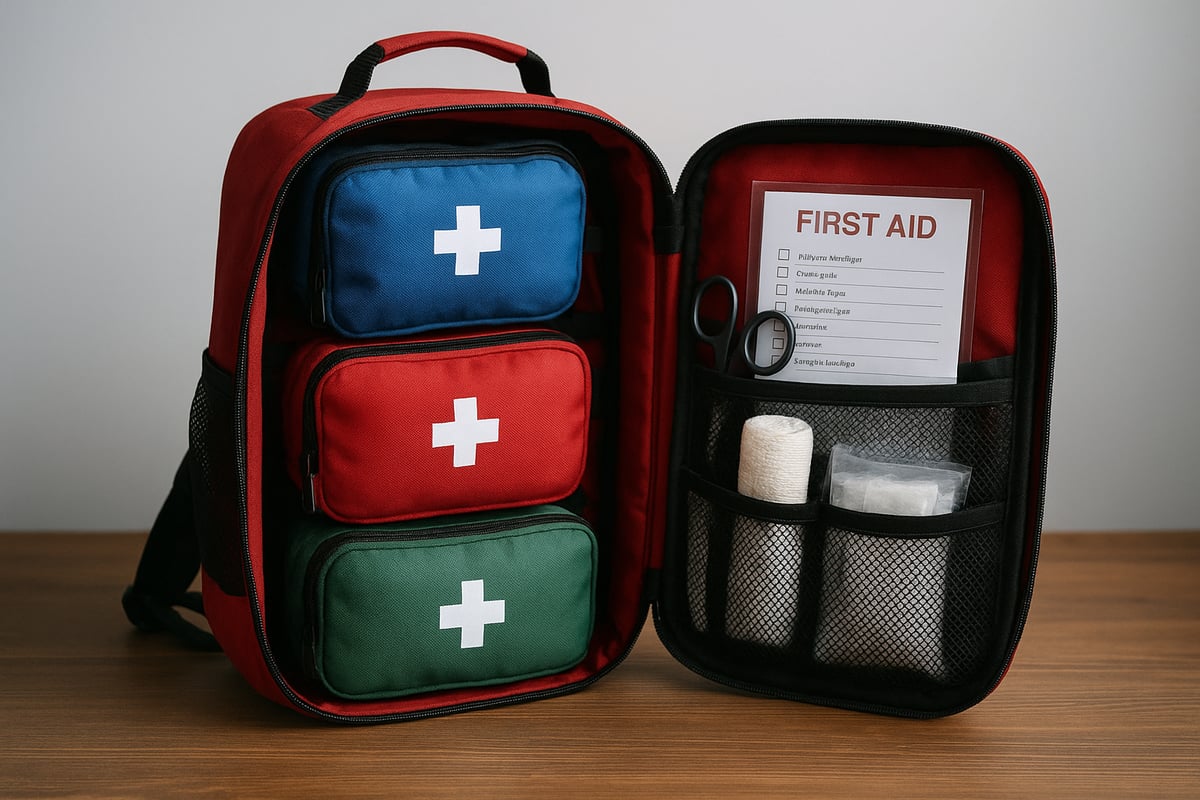
Step 1: Categorize Supplies for Fast Access
Start by sorting your gear in your first aid backpack into clear, functional categories. Group trauma items, wound care, medications, and tools separately. Use color-coded pouches or labels for each group, such as red for bleeding control and blue for medications.
- Trauma supplies: tourniquet, gauze, hemostatic agents
- Wound care: bandages, antiseptics, dressings
- Medications: pain relief, allergy meds, prescriptions
- Tools: shears, tweezers, thermometer
Visual cues, like colored bags and clear windows, can help you find what you need quickly. According to Backpacking Light, organized compartments speed up access by 60 percent. For more detailed advice, the Backpacking first aid kit essentials guide offers practical tips for backpackers and outdoor users.
Step 2: Prioritize Critical Items
Arrange the most vital supplies in the most accessible spots of your first aid backpack. Life-saving tools such as gloves, tourniquets, and airway adjuncts should be in external or top pockets for instant reach.
- Place gloves and tourniquet in side or front pockets
- Keep airway tools near the top layer
- Store less urgent items, like blister care, deeper inside
Seconds count in trauma situations, so quick access can make a substantial difference. Poor organization can delay care by up to two minutes, which is critical in emergencies. Always prioritize placement based on urgency and frequency of use.
Step 3: Optimize for Visibility and Inventory
Use mesh or transparent pockets in your first aid backpack to make every item easy to spot. This approach minimizes the risk of overlooking supplies in stressful moments. Keep a laminated, itemized checklist attached inside the pack for routine checks and restocking.
- Transparent pockets for small, essential items
- Mesh compartments for medications and tools
- Laminated checklist for fast inventory review
Quick visual checks help avoid missing or expired items. Data shows that 80 percent of users miss expired contents without a checklist. Regular inventory keeps your first aid backpack reliable and ready for any scenario.
Step 4: Adapt for Group or Solo Use
Customize your first aid backpack for solo travel, family outings, or group expeditions. Modular organization lets you add or remove sections based on group size and specific risks.
- Separate modules for trauma, medications, or blisters
- Extra supplies for children or group members with special needs
- Removable pouches for easy sharing or transfer
For hiking groups, a dedicated "blister module" can be a game changer. Pre-packed group modules are trending in 2026, making it easier to scale your kit up or down. This adaptability ensures your first aid backpack remains efficient and clutter-free, no matter the adventure.
Step 5: Maintenance and Rotation
Regular maintenance is crucial for keeping your first aid backpack effective. Schedule checks every quarter or before any trip. Replace expired, damaged, or used items promptly and document usage for future restocking.
- Set digital reminders for quarterly checks
- Remove expired medications and supplies
- Record what you use and update your checklist
Red Cross data shows that 70 percent of first aid kits contain expired medications. A disciplined maintenance routine keeps your first aid backpack dependable, ensuring you are always prepared for the unexpected.
Technological Innovations and Trends in First Aid Backpacks for 2026
The landscape of the first aid backpack is rapidly evolving as technology and materials science make new strides. In 2026, staying prepared means keeping up with these innovations to ensure your kit is effective, efficient, and ready for anything.
Smart Backpacks and IoT Integration
Smart technology is transforming the first aid backpack into a proactive emergency companion. Leading-edge packs now feature built-in sensors to monitor temperature and humidity, helping preserve sensitive medications. RFID or QR code systems streamline inventory checks and alert users when supplies are low or approaching expiration.
Some advanced models even send notifications to your phone, reducing human error and boosting readiness. Adoption is growing, with about 15% of outdoor professionals using these smart systems. For a deeper look at next-generation tech, see Innovations in Tactical Medical Kits 2026. Integrating IoT into your first aid backpack ensures supplies remain organized and accessible.
Digital First Aid Resources
Digital resources have become essential for every first aid backpack. Many users now preload mobile apps offering step-by-step emergency instructions, some with video guides that work offline. These tools are especially valuable in remote areas where connectivity is unreliable.
Wearable health monitors can also sync with your smartphone, providing real-time health data alongside your kit. While digital resources are not a replacement for hands-on training, they offer immediate support during critical moments. Keeping a digital guide in your first aid backpack adds another layer of preparedness and confidence.
Lightweight, High-Performance Materials
Material science is pushing the boundaries of what a first aid backpack can be. New fabrics like Dyneema and Cordura offer exceptional strength while dramatically reducing weight. Modular inserts allow for rapid reconfiguration, making it simple to customize your pack for any outing.
According to market forecasts, demand for lightweight medical gear is up 22% year over year in 2026. For ultralight backpackers, Dyneema pouches are a favorite choice. By choosing advanced materials, your first aid backpack stays portable without sacrificing essential protection.
Sustainability and Eco-Friendly Options
Eco-conscious design is now a major trend in the first aid backpack market. Many kits feature biodegradable bandages, compostable gloves, and reusable containers to reduce environmental impact. Sustainable materials are becoming standard, with 40% of new kits in 2026 incorporating eco-friendly components.
These changes not only benefit the planet but also appeal to users who value green practices. An eco-friendly first aid backpack demonstrates that safety and sustainability can go hand in hand, preparing you for emergencies while minimizing your footprint.
Training, Readiness, and Real-World Application
Effective use of a first aid backpack depends not just on the supplies inside, but on your confidence and preparedness to act. The following strategies ensure your gear and skills are always ready for real-life emergencies.
Importance of First Aid Training
Training is the foundation for using a first aid backpack effectively. Hands-on courses, such as those offered by the Red Cross or local EMS, provide practical skills that online modules may not fully replicate.
Certification is essential for advanced tools like tourniquets or airway adjuncts. Without proper training, even the most advanced first aid backpack cannot guarantee safety. Data from the Red Cross shows that only 35% of kit owners are trained in all included skills.
Investing in training boosts confidence, improves outcomes, and ensures you can use every item in your first aid backpack with precision.
Practicing Emergency Scenarios
Regularly practicing emergency scenarios is key to building muscle memory and spotting gaps in your first aid backpack. Simulated drills, whether done solo, with family, or with a group, reinforce skills and highlight missing items.
Role-playing common incidents, such as bleeding, fractures, or allergic reactions, prepares you to act swiftly. For families, organizing a first aid night using guides such as How to build a family first aid kit can make training engaging and thorough.
Consistent practice with your first aid backpack increases response speed by 50% and ensures everyone knows their role in an emergency.
Documentation and Communication Tools
Clear documentation is critical in high-stress situations. Your first aid backpack should include printed guides, medication logs, and emergency contact cards, all protected from water and damage.
Many users rely on smartphones for reference, but having waterproof, written instructions ensures you are prepared even if power is lost. Data shows 60% of people use written instructions during emergencies.
Tools like checklists or the Emergency Supplies Checklist help maintain and update your first aid backpack, reducing the risk of missing or expired items.
Staying Updated with Evolving Best Practices
First aid guidelines change as new research and real-world events unfold. Staying current ensures your first aid backpack remains relevant and effective.
Monitor updates from organizations like the Red Cross or WHO. For example, evolving protocols during COVID-19 led to major changes in CPR and infection control. Industry data indicates that 25% of first aid protocols are updated annually.
Ongoing education, through refresher courses or verified sources, is vital to keeping your first aid backpack and your skills aligned with the latest best practices.
Where to Buy Quality First Aid Backpack Supplies
Choosing where to purchase your first aid backpack and its contents is a critical step in ensuring reliability and safety. Not all suppliers offer the same standards, and the source you select can impact the effectiveness of your emergency response. Whether you shop in person or online, prioritize quality and certification to safeguard your investment.
Trusted Sources for First Aid Gear
When searching for a first aid backpack, begin with reputable retailers known for quality assurance and customer support. Outdoor specialty stores, medical supply companies, and certified online shops remain the most reliable. Pharmacies may offer basic kits, but professional-grade options are found with dedicated suppliers.
| Retailer Type | Pros | Cons |
|---|---|---|
| Outdoor Stores | Durable, field-tested gear | Limited medical expertise |
| Medical Supply Companies | Certified, broad selection | Higher cost |
| Online Specialists | Convenience, reviews, variety | Risk of counterfeits |
Top-rated sources, as highlighted in 2025 customer satisfaction surveys, deliver not only high-quality products but also responsive support. Always verify supplier credentials before purchasing your first aid backpack to ensure authenticity and safety.
Medical Gear Outfitters: Expert-Curated First Aid Solutions
Medical Gear Outfitters stands out as a trusted destination for first aid backpack enthusiasts and professionals alike. Operated by a seasoned paramedic, the company provides a curated selection of trauma kits, responder packs, and customizable medical solutions. Their product range spans from compact personal kits to comprehensive group sets, catering to families, outdoor adventurers, and first responders.
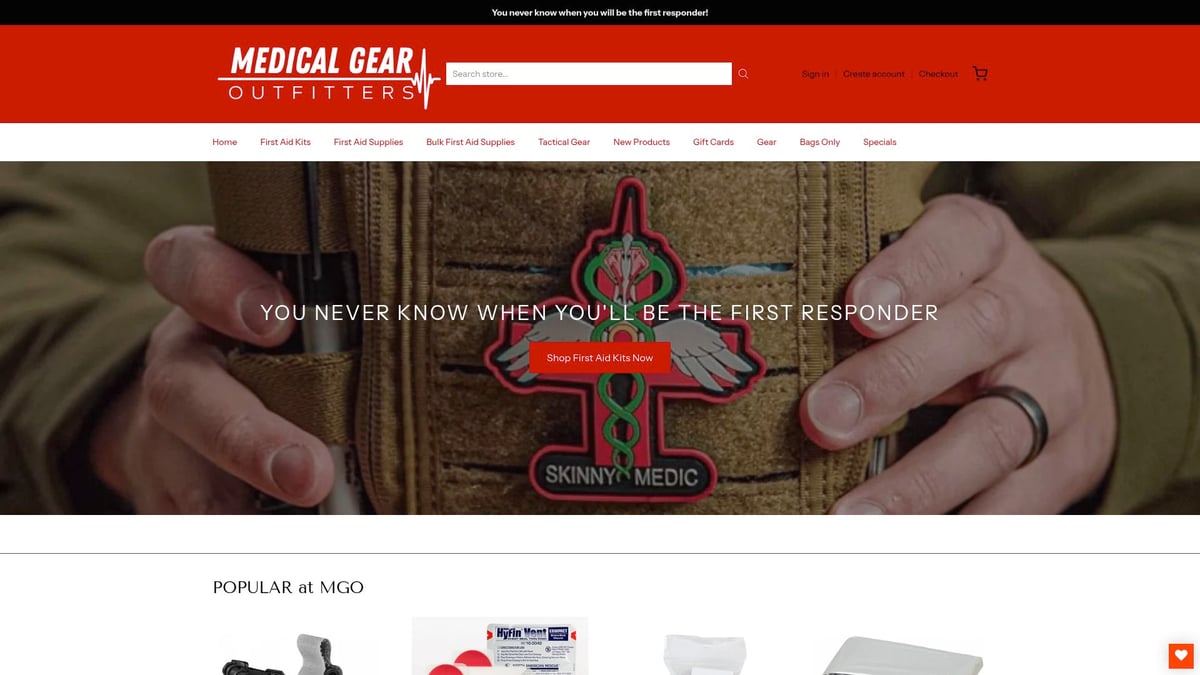
Educational resources are a core part of their value, including expert guides, a YouTube channel, and detailed blogs. For example, their post on the best splints for first aid kits helps buyers select the right immobilization tools for their needs. Many organizations trust Medical Gear Outfitters for bulk orders, custom branding, and field-ready solutions, making them a leading choice for anyone building a robust first aid backpack.
Evaluating Kit Quality and Authenticity
Ensuring the quality and authenticity of your first aid backpack is non-negotiable. Begin by checking for certifications and regulatory compliance on all medical products. Reputable suppliers provide clear expiration dates and transparent labeling. Be wary of unusually low-priced kits online, as 18% of first aid products fail quality checks during industry audits.
Look for manufacturer reputation, read customer reviews, and inspect material quality upon delivery. Spotting counterfeit or low-quality supplies early prevents dangerous failures in the field. By choosing only vetted products, you maintain the integrity and reliability of your first aid backpack for any emergency.
Customization and Bulk Purchasing Options
A first aid backpack should reflect your unique needs, whether you are preparing for solo adventures, group outings, or organizational safety programs. Many suppliers now offer personalization, allowing you to select specific supplies suitable for children, chronic illnesses, or special environments.
Bulk purchasing is increasingly popular among schools, businesses, and outdoor organizations. Custom branding and kit configurations help align safety programs with company standards. According to the 2025 Workplace Safety Survey, 33% of organizations now require custom first aid solutions. Tailoring your first aid backpack ensures every user is prepared for their specific risks, maximizing both safety and efficiency.

