First Aid Boxes at Work: Your 2026 Compliance Guide
Workplace safety is more crucial than ever, and first aid boxes at work are at the heart of employee protection and legal compliance for 2026. With workplace incidents on the rise and regulations evolving, businesses must adapt to robust first aid standards.
Failing to comply can mean legal penalties and jeopardize staff well-being. This article is your comprehensive guide to ensuring first aid boxes at work meet all 2026 compliance requirements. You will learn about new regulations, essential kit contents, best placement practices, maintenance, staff roles, and practical steps for achieving full compliance.
Understanding 2026 Workplace First Aid Regulations
A clear understanding of 2026 regulations is critical for organizations aiming for full compliance with first aid boxes at work. This section breaks down the updated regulatory landscape, key compliance changes, legal risks, sector-specific rules, and top questions for employers.
Overview of Regulatory Bodies and Standards
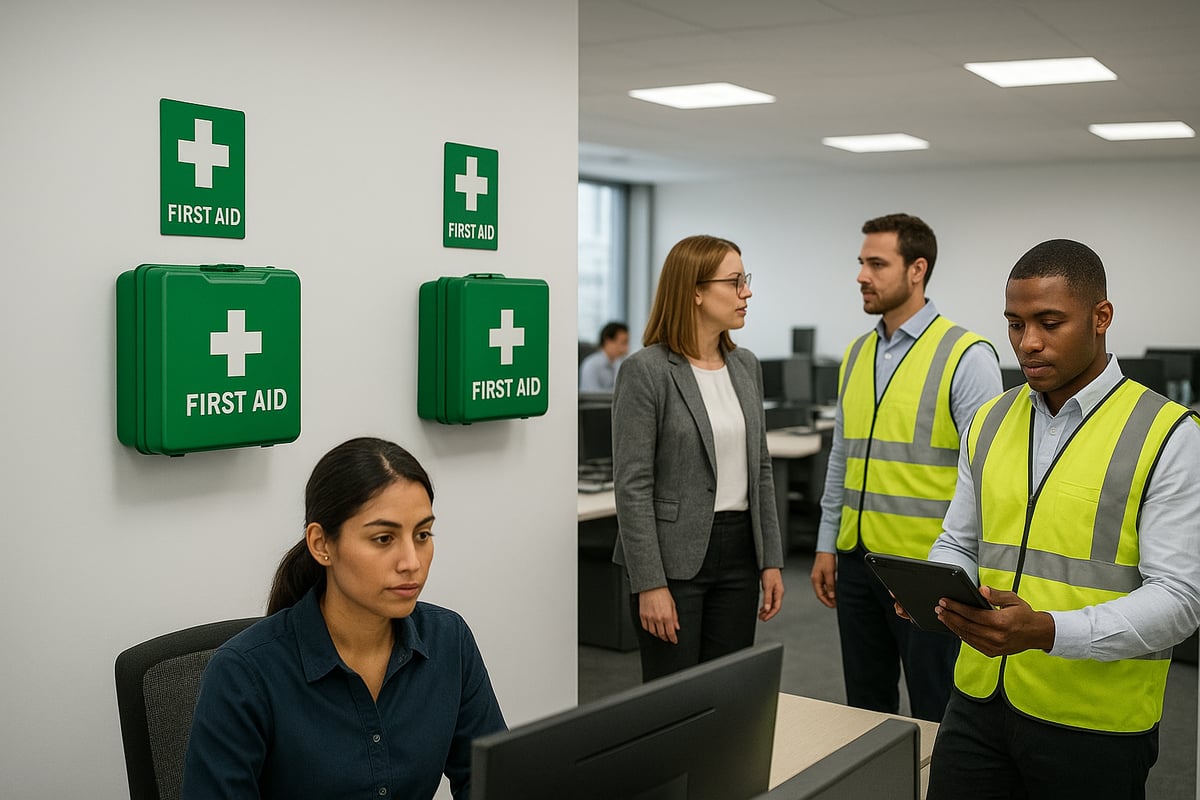
Workplace safety is governed by respected authorities like OSHA in the US, HSE in the UK, and various local agencies worldwide. These organizations set the baseline for first aid boxes at work, ensuring that every workplace meets minimum health and safety requirements.
For 2026, key regulatory updates target improved emergency preparedness and reflect changing workplace risks. Updates vary by industry and workplace size, so a small office may have different requirements than a large factory. Adhering to both national and local regulations is essential, as local standards sometimes exceed federal rules.
For example, OSHA’s 2026 revisions specify new minimum content lists for first aid boxes at work. To access detailed and current standards, refer directly to OSHA's Medical and First Aid Standards, which provide authoritative requirements for all industries.
Key Changes in First Aid Box Compliance for 2026
The 2026 compliance landscape introduces several significant updates for first aid boxes at work. New mandatory items, such as advanced bleeding control kits, must now be available in most workplaces. Documentation and incident reporting protocols have been revised to ensure that every use of a first aid box is tracked and reviewed.
Compliance audits will occur more frequently, requiring employers to keep records up to date at all times. Another major change is the integration of first aid boxes at work into larger health and safety programs, tying emergency supplies directly to risk assessments and emergency response planning.
As an example, bleeding control kits are now required in many sectors, reflecting an increased focus on severe injury management.
Legal Implications of Non-Compliance
Failing to comply with 2026 standards for first aid boxes at work can have serious consequences. Businesses face fines, legal action, and increased insurance premiums when they neglect updated regulations. Regulatory agencies reported a rise in workplace safety violations from 2023 to 2025, with penalties ranging from thousands of dollars to criminal charges in severe cases.
Insurance providers may deny claims or raise premiums for companies that do not maintain compliant first aid boxes at work. Employees injured due to missing or expired supplies may file claims, exposing employers to additional liability. Recent case studies highlight organizations fined for not updating their first aid kits in line with evolving rules.
Industry-Specific Requirements
Requirements for first aid boxes at work differ significantly across sectors. Construction and manufacturing sites must provide specialized items like eye wash stations and trauma kits, while office environments may have a more basic supply list. The hospitality and healthcare sectors often require larger quantities and additional items, such as burn dressings or sharps containers.
Remote and high-risk workplaces must address unique hazards, sometimes meeting stricter mandates. For example, construction sites with chemical exposure risks demand eyewash and chemical neutralizers. Data shows that nearly 70 percent of high-risk industries now have more comprehensive first aid mandates compared to general workplaces.
Frequently Asked Questions on 2026 Compliance
Employers have many questions about first aid boxes at work as 2026 approaches. Here are the top queries, including a comparison of requirements:
| Question | 2025 | 2026 |
|---|---|---|
| Mandatory items | Basic bandages, gloves | Bleeding control kits, burn gels added |
| Inspection frequency | Quarterly | Monthly recommended |
| Digital checklists | Optional | Strongly encouraged |
| Compliance responsibility | Safety officer | Designated first aid officer |
| Documentation | Paper logs | Digital or paper, with audit trails |
Workplaces should note that digital checklists and monthly inspections are now best practice for first aid boxes at work. Responsibility for compliance often shifts to a trained first aid officer, ensuring accountability and up-to-date supplies.
Essential Contents of a 2026-Compliant First Aid Box
Choosing the right contents for first aid boxes at work is fundamental for safety and legal compliance. In 2026, regulations have become more precise, requiring workplaces to stock not only basic supplies but also specialized items tailored to specific risks. Let us break down the essentials, so your workplace remains prepared and compliant.
Mandatory Items for Every Workplace
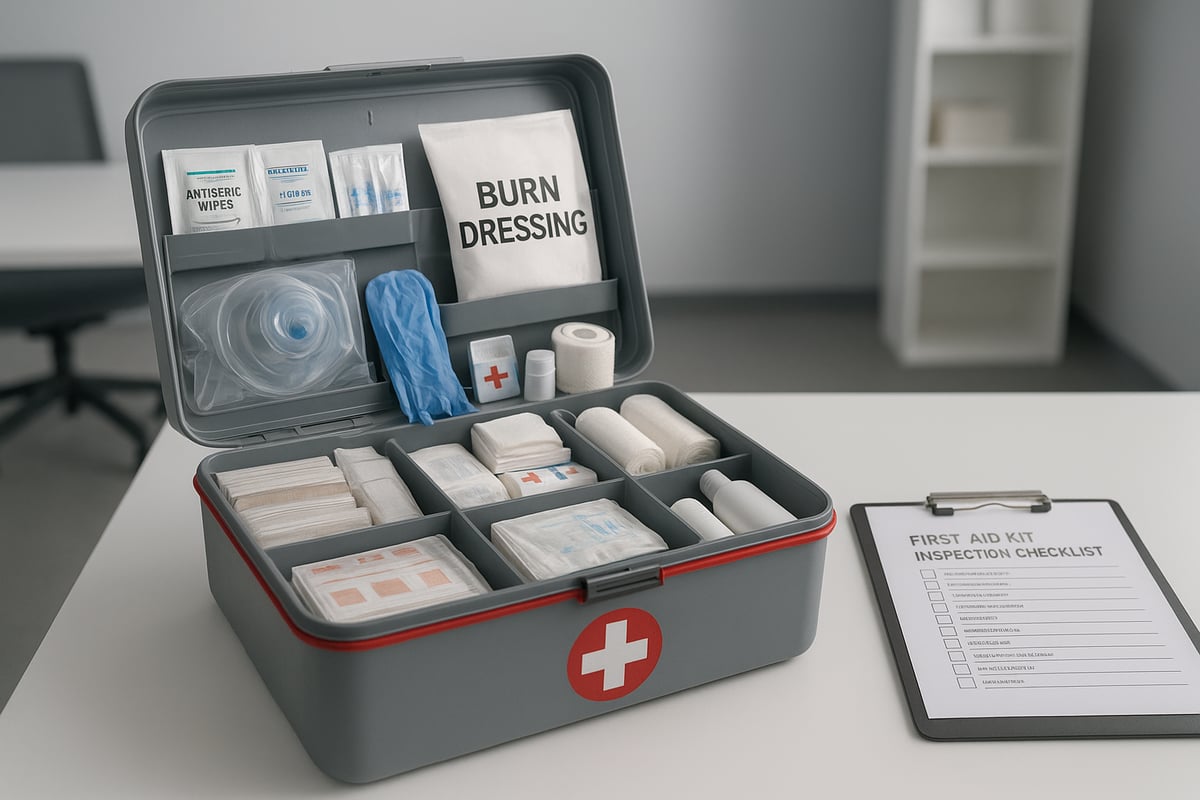
All first aid boxes at work must contain a core set of supplies, regardless of industry or location. In 2026, updated OSHA standards require the following minimum items:
| Item | Minimum Quantity (per 25 employees) |
|---|---|
| Adhesive bandages | 25 |
| Sterile gauze pads | 10 |
| Antiseptic wipes | 10 |
| Nitrile gloves | 4 pairs |
| CPR face shield/mask | 1 |
| Burn dressings | 2 |
| Medical tape | 2 rolls |
| Scissors and tweezers | 1 each |
| Eye wash solution | 1 bottle |
| Emergency blanket | 1 |
Quantities should scale with workforce size. These items form the foundation for first aid boxes at work, ensuring basic readiness for common injuries and emergencies.
Specialized Supplies for High-Risk Workplaces
Certain sectors, such as manufacturing, construction, and laboratories, require additional supplies due to elevated risks. Trauma kits with tourniquets, eye wash stations for chemical exposure, and burn gels are now standard in many high-risk environments. For instance, a manufacturing plant may need chemical splash kits and extra burn care items.
2026 regulations emphasize the inclusion of advanced bleeding control tools. To understand the importance and requirements of tourniquets in first aid boxes at work, refer to the comprehensive Tourniquet Requirements for First Aid Kits guide. Assess your workplace hazards carefully to select the right specialized supplies.
Expiry Dates and Product Quality Standards
Compliance in 2026 means all first aid boxes at work must be stocked with items that are within their expiration dates and meet quality standards. Sterile packaging is crucial, as expired or damaged supplies can fail during emergencies. Regulatory audits have found that expired products are a leading cause of compliance violations.
Routine checks are essential. Establish a schedule to monitor expiration dates and replace supplies promptly. Data from recent audits show that 18 percent of first aid boxes at work failed inspections due to outdated items, underscoring the importance of quality management.
Accessibility and Usability Considerations
Properly designed first aid boxes at work must be easy to open, clearly labeled, and include instructions in multiple languages. Placement matters—boxes should be positioned where they are visible and reachable within seconds during an emergency.
A recent case study revealed that when first aid boxes at work were placed in every break room and workshop, response times improved by 30 percent. Accessibility and usability are not just recommendations, they are now compliance requirements in many jurisdictions.
Optional Items and Best Practice Recommendations
While certain items are not mandated, adding them to first aid boxes at work is considered best practice. Automated External Defibrillators (AEDs), extra emergency blankets, splints, and instant cold packs are highly recommended by safety organizations.
A 2025 workplace safety survey found that 72 percent of companies added AEDs and splints to their first aid boxes at work, citing increased preparedness. Following recommendations from respected authorities will help future-proof your compliance strategy and enhance overall safety.
Proper Placement and Maintenance of First Aid Boxes
Ensuring proper placement and maintenance of first aid boxes at work is critical for both compliance and employee safety. By following established guidelines, you can minimize response times, meet regulatory standards, and create a safer work environment for everyone.
Strategic Placement for Maximum Accessibility
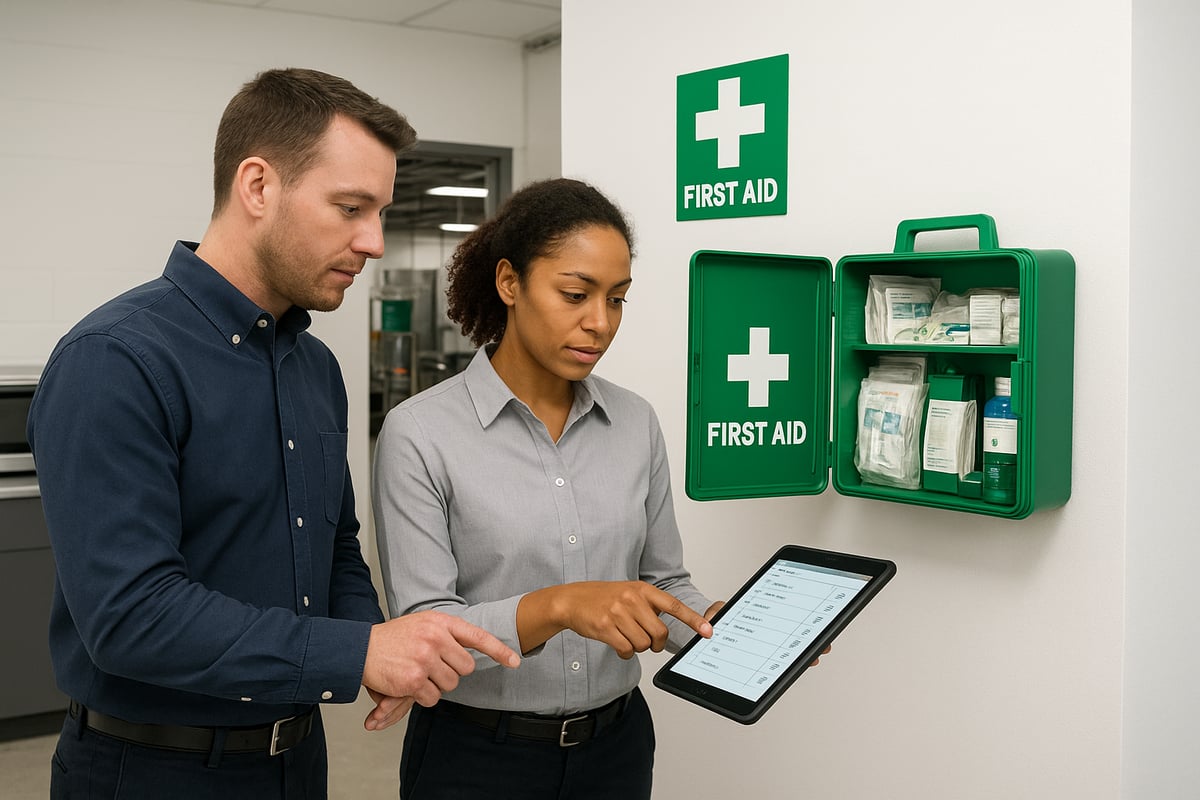
Placing first aid boxes at work in optimal locations is essential for rapid emergency response. Regulatory bodies require that these boxes be accessible within a short distance of all work areas, especially in high-risk environments.
Key locations include:
- Break rooms and kitchens
- Workshops and production lines
- Office corridors and reception areas
- Company vehicles and remote workstations
A well-thought-out office layout ensures that first aid boxes at work are never blocked or hidden. For additional guidance, organizations can refer to resources like WorkSafe Victoria's First Aid Compliance Code, which outlines practical steps for workplace first aid accessibility.
Inspection and Restocking Schedules
Regular inspection of first aid boxes at work is a regulatory requirement. Most standards recommend monthly checks, although some high-risk industries may need weekly inspections.
A typical inspection and restocking schedule includes:
- Checking expiration dates on all supplies
- Replacing used or missing items
- Verifying the quality of packaging and labeling
Many organizations now use digital tracking tools to streamline inspection cycles for first aid boxes at work. These systems reduce human error and provide a clear audit trail for compliance purposes.
| Inspection Type | Frequency | Tracking Method |
|---|---|---|
| Manual | Monthly | Paper checklist |
| Digital | Weekly | Mobile app/software |
Assigning Responsibility for First Aid Box Management
Assigning responsibility for first aid boxes at work ensures ongoing compliance and preparedness. A trained first aid officer or designated staff member should oversee inspections, restocking, and documentation.
Key responsibilities include:
- Completing regular training and refresher courses
- Conducting monthly or quarterly box audits
- Coordinating with suppliers for replenishment
Having a dedicated compliance officer for first aid boxes at work can improve response times and reduce the risk of overlooked maintenance tasks. This approach also supports a culture of accountability and safety.
Record-Keeping and Documentation Requirements
Accurate record-keeping is vital for demonstrating compliance with regulations for first aid boxes at work. Logbooks, digital records, and audit trails should all be maintained for regulatory inspections and insurance claims.
Sample documentation includes:
- Inspection dates and findings
- Lists of replaced or expired items
- Staff signatures and digital timestamps
A sample inspection log template for first aid boxes at work might include columns for date, inspector, items checked, and action taken. Well-kept records provide proof of diligence in maintaining workplace safety.
Common Maintenance Pitfalls and How to Avoid Them
Despite best efforts, organizations sometimes encounter pitfalls with first aid boxes at work. Common issues include overlooked expired supplies, misplaced boxes, and incomplete restocking after use.
To prevent these problems:
- Set automated reminders for inspections
- Use digital inventory management systems
- Train staff to report missing or damaged items immediately
The most frequent causes of compliance failures with first aid boxes at work in recent years have been due to lapses in regular maintenance and poor communication among staff. Proactive management and clear processes help ensure ongoing compliance and readiness.
Step-by-Step Guide to Achieving 2026 First Aid Box Compliance
Ensuring your first aid boxes at work meet 2026 compliance standards is a systematic process. By following these six steps, you can minimize risks, avoid penalties, and safeguard your team. Let’s break down each stage for effective implementation.

Step 1: Conduct a Workplace Risk Assessment
Start by evaluating your workplace for hazards and potential injuries. A thorough assessment ensures your first aid boxes at work are tailored to actual risks. Consider factors like the type of work, employee count, and shift patterns.
Create a checklist to identify areas needing extra attention. For example:
- Physical hazards (machinery, chemicals)
- Remote work or lone workers
- High-risk zones (labs, kitchens, construction sites)
By understanding these risks, you can determine the quantity and type of first aid boxes at work needed for full compliance.
Step 2: Select and Source the Right First Aid Box
Once risks are identified, select first aid boxes at work that meet both regulatory and practical needs. Size and contents should align with workforce numbers and industry regulations.
Choose reputable suppliers who guarantee quality and compliance. For guidance on selecting compliant kits, see Buying a First Aid Box Online. Compare features, durability, and certifications before making your decision.
Document your selection process. Proper sourcing sets the foundation for ongoing compliance with first aid boxes at work.
Step 3: Stock First Aid Boxes According to 2026 Standards
Stock your first aid boxes at work using the latest 2026 requirements. Consult updated regulations to ensure every box includes mandatory supplies.
Customize contents based on your previous risk assessment. For instance, add eye wash stations for chemical areas or trauma kits for high-risk tasks. Use a sample inventory list to track required items:
| Item | Required Quantity |
|---|---|
| Bandages | 20 |
| Antiseptic wipes | 10 |
| Gloves | 4 pairs |
| Burn dressings | 2 |
| CPR mask | 1 |
Regularly review and update your inventory to keep first aid boxes at work compliant.
Step 4: Train Staff and Appoint First Aid Officers
Proper training ensures your first aid boxes at work are used effectively in emergencies. Schedule certified training programs for designated first aid officers and general staff.
Assign clear roles for box maintenance and emergency response. A sample training schedule might include:
- Initial certification course
- Annual refresher sessions
- Scenario-based emergency drills
Investing in training boosts confidence and ensures swift, knowledgeable responses when using first aid boxes at work.
Step 5: Implement Regular Inspection and Documentation Procedures
Set up an inspection cycle for all first aid boxes at work. Monthly or quarterly checks help maintain compliance and readiness.
Use digital tools or checklists for efficient tracking. Key steps include:
- Inspecting for expired or missing items
- Recording findings in a logbook or app
- Scheduling restocking as needed
A robust inspection process ensures first aid boxes at work are always ready for use and meet audit requirements.
Step 6: Review and Update Compliance Annually
Stay proactive by reviewing your first aid boxes at work and compliance processes each year. Regulatory standards evolve, so annual audits are essential.
Follow a review process flowchart:
- Assess current compliance status
- Update supplies to match new standards
- Refresh staff training
- Document improvements and changes
Continuous improvement keeps your first aid boxes at work aligned with 2026 regulations and best practices.
Staff Training and First Aid Responsibilities in the Workplace
Ensuring proper staff training for first aid boxes at work is essential for compliance and employee safety. Effective training empowers staff to respond confidently to emergencies, reduces legal risks, and ensures that first aid boxes at work are used correctly and efficiently.
Legal Requirements for First Aid Training
Compliance with legal standards for first aid boxes at work begins with mandated training. Most jurisdictions require employers to provide certified first aid training, tailored to workplace risks and workforce size. OSHA and HSE both outline minimum training hours, approved curricula, and recertification intervals.
For instance, OSHA’s requirements specify that designated first aid responders must complete accredited courses and refresh their knowledge regularly. Industry-specific needs may call for additional modules, such as chemical burn treatment in laboratories. For detailed guidance, employers can refer to OSHA's Compliance Assistance for General Industry.
Creating a First Aid Response Plan
A robust response plan is vital for effective use of first aid boxes at work. Employers should establish clear protocols for various emergencies, including injury assessment, triage, and communication with emergency services.
Assigning roles in advance is crucial. Designate first aid officers, backup responders, and communication leads. Visual tools, like flowcharts, help staff understand their responsibilities quickly. By integrating response plans with first aid boxes at work, organizations streamline emergency actions and reduce confusion.
Encouraging a Culture of Safety and Preparedness
Promoting a safety-first mindset ensures first aid boxes at work are not just compliant but truly effective. Regular drills reinforce emergency protocols and keep skills sharp. Awareness campaigns and safety workshops build engagement across all staff levels.
Incentivizing participation, such as recognizing safety champions, can boost morale. According to recent surveys, workplaces with frequent training and visible first aid boxes at work report faster emergency responses and higher employee confidence during incidents.
Monitoring and Improving First Aid Readiness
Ongoing assessment is key to keeping first aid boxes at work compliant and effective. Schedule regular knowledge checks, scenario-based drills, and feedback sessions to identify gaps in readiness.
Continuous improvement involves updating training content, incorporating lessons learned, and acting on employee suggestions. A recent case study found that quarterly training reviews led to higher compliance rates and better utilization of first aid boxes at work, supporting both legal and safety objectives.
Future-Proofing Your Workplace First Aid Strategy
Preparing for the future of first aid boxes at work requires a proactive approach. As regulations and technology evolve, businesses must ensure their first aid strategies remain compliant and effective. By anticipating changes and integrating best practices, organizations can protect both their people and their compliance standing.
Adapting to Evolving Regulations and Technologies
Staying ahead of regulatory updates is essential for maintaining compliance with first aid boxes at work. Authorities frequently revise requirements, often introducing new mandatory items or inspection protocols. For example, reviewing California's Proposed First Aid Regulations for 2025 can help you anticipate what may influence national standards in 2026.
Embracing new technologies such as smart first aid boxes with IoT integration can streamline inspections and real-time supply monitoring. These innovations not only simplify compliance but also enhance workplace safety by providing instant alerts when supplies are low or expired.
Integrating First Aid with Broader Workplace Safety Programs
A future-ready workplace does not treat first aid boxes at work as standalone solutions. Instead, integrate first aid with your overall safety protocols, including fire safety, emergency evacuation, and health response plans.
Cross-training staff enables them to respond to a variety of emergencies, ensuring a more resilient safety culture. Regular combined safety drills are effective for reinforcing procedures and identifying gaps in your emergency response plans.
Benchmarking and Continuous Improvement
Continuous evaluation is critical for first aid boxes at work to remain effective. Benchmark your program against industry leaders by utilizing audits and third-party assessments. This approach reveals strengths and uncovers areas for improvement.
Maintain a cycle of reviewing incident data, compliance reports, and feedback from staff. Use the insights gained to refine processes, update supplies, and adjust training programs. Staying competitive elevates both safety standards and employee confidence.
Resources for Ongoing Compliance and Support
Reliable resources are indispensable for keeping first aid boxes at work compliant. Tap into government websites, industry associations, and training organizations for the latest updates and best practices. Downloadable checklists and compliance toolkits support ongoing management and audits.
If your workplace needs to customize its supplies, consider reviewing guidance such as Building Your Own First Aid Kit to ensure your selections meet regulatory standards. These resources simplify compliance and empower your team to maintain readiness.

