9 Essential Basic Medicine Kit Items Everyone Needs in 2026
Imagine facing a sudden fever, a scraped knee, or a power outage in 2026 without quick access to a basic medicine kit. With health emergencies and unexpected events on the rise, being prepared is no longer optional. A well-stocked basic medicine kit is now essential for every household and traveler, providing confidence and peace of mind when it matters most. In this guide, discover the critical items experts recommend for every basic medicine kit, and learn how staying prepared today means safer, healthier tomorrows for you and your loved ones.
Why Everyone Needs a Basic Medicine Kit in 2026
The world in 2026 is more unpredictable than ever. With climate change fueling natural disasters and global health events making headlines, being prepared is no longer optional. A basic medicine kit can be the difference between calm and chaos in the face of a sudden emergency at home, on the road, or during travel.
Recent years have seen a surge in minor injuries and illnesses managed at home. Healthcare access has become more challenging, with crowded clinics and rising costs. According to the CDC, 68% of households experienced a minor medical emergency in the past year alone. This shift highlights why every household and traveler should maintain a basic medicine kit within easy reach.
Immediate access to essential medical supplies provides peace of mind for families, seniors, and solo adventurers alike. With a well-stocked basic medicine kit, parents can treat playground scrapes, travelers can manage sudden fevers, and seniors can address minor wounds before complications arise. This not only saves time but also reduces unnecessary emergency room visits, leading to significant cost savings over time.
A basic medicine kit is a cornerstone of disaster preparedness. When storms or earthquakes disrupt services, self-reliance becomes critical. Community resilience grows when more people can manage minor issues independently, freeing up healthcare resources for those truly in need. Modern kits are evolving too, now including digital thermometers, updated medications, and even app-based first aid guides, aligning with the latest health trends and technology.
Consider the difference a basic medicine kit can make in real life. Imagine a family treating a burn from a kitchen accident within minutes, or a traveler using antiseptic wipes to clean a cut during a hiking trip, preventing infection. These everyday scenarios prove the value of readiness.
If you are unsure where to begin, resources like Building a family first aid kit offer step-by-step guidance on assembling a kit tailored to your needs. Investing in a basic medicine kit is a simple yet powerful way to safeguard your health and protect those you care about, no matter what 2026 brings.
9 Essential Basic Medicine Kit Items Everyone Needs in 2026
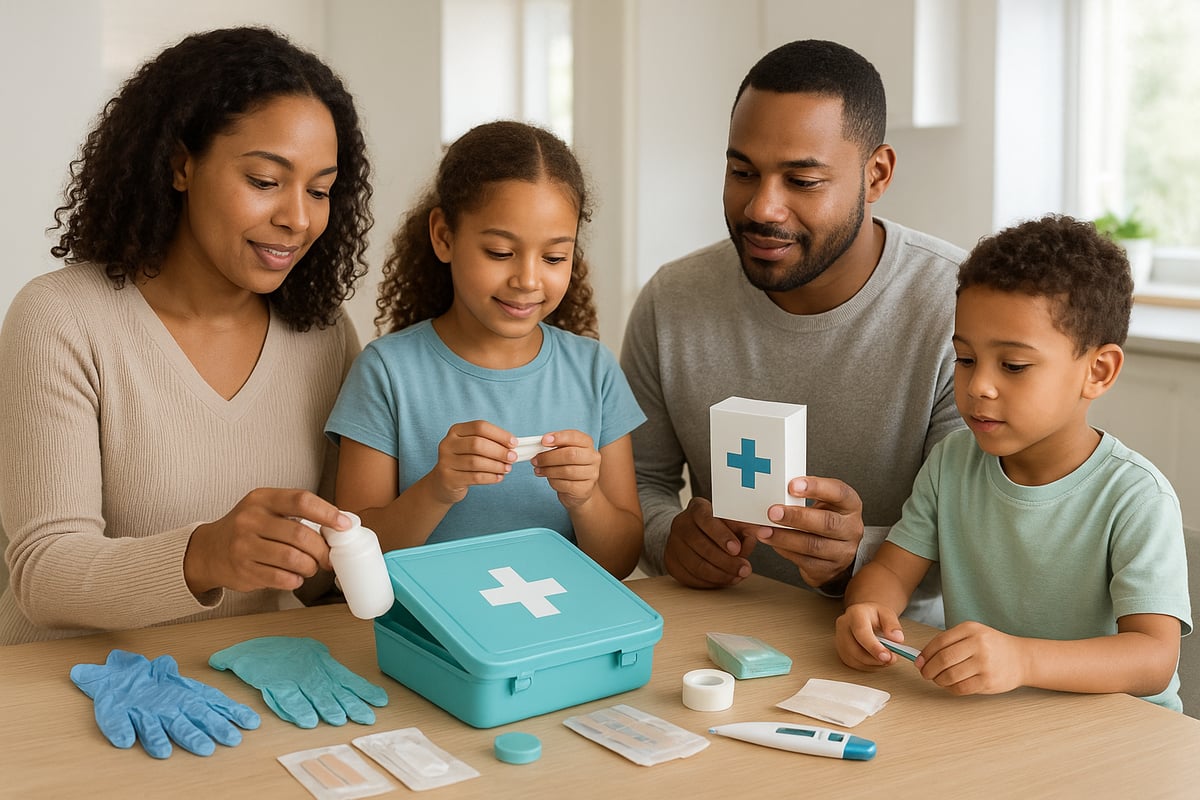
A well-prepared basic medicine kit is no longer a luxury, but a necessity for every household and traveler in 2026. With health emergencies becoming more unpredictable and minor ailments often treated at home, the right supplies can make a world of difference.
What should you include in your basic medicine kit to ensure you are ready for anything? The following list covers nine indispensable items, each chosen based on versatility, necessity, expert recommendations, and their relevance to today's health trends. By selecting modern, up-to-date supplies, you set the foundation for safety and peace of mind.
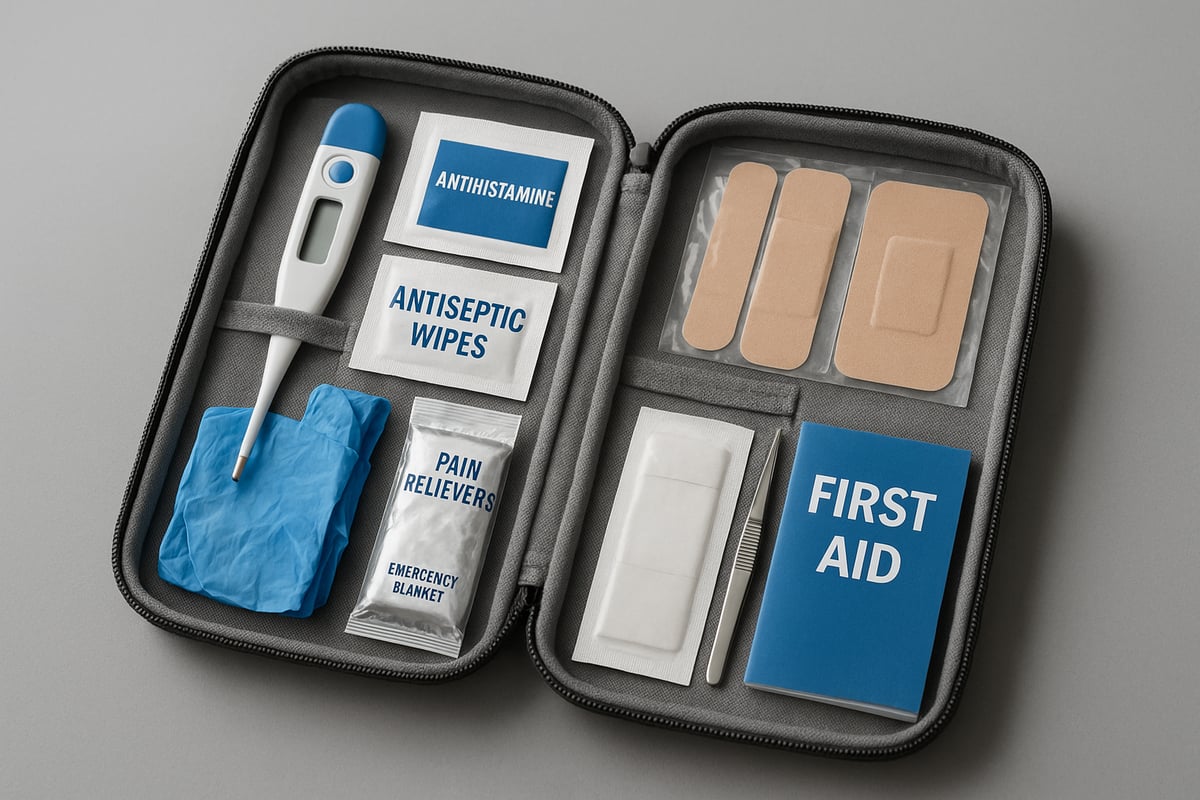
1. Digital Thermometer
A digital thermometer is the cornerstone of any basic medicine kit. Accurate temperature checks are vital for early detection of illnesses, especially in children and older adults, where symptoms can escalate quickly.
Modern digital thermometers offer features like rapid readings, memory recall, and fever alarms. These enhancements are crucial during flu season or emerging outbreaks, when monitoring even minor temperature changes can prompt timely care.
Consider the following when choosing your thermometer:
- Fast response time (under 10 seconds)
- Clear digital display
- Memory for previous readings
For families, a digital thermometer provides reassurance. For instance, during a recent flu outbreak, parents were able to detect fevers early, isolating sick children and preventing further spread. Including this tool in your basic medicine kit helps you respond confidently to the first signs of illness.
2. Antiseptic Wipes & Solutions
Infection prevention is a top priority for any basic medicine kit. Antiseptic wipes and solutions are the first line of defense against bacteria and viruses entering minor wounds.
There are several types to consider:
- Alcohol-based wipes: Quick and effective, suitable for most cuts.
- Iodine solutions: Useful for deeper wounds, but may cause irritation in sensitive skin.
- Hydrogen peroxide: Effective for cleaning, but use sparingly to avoid tissue damage.
Proper wound cleaning reduces infection risk by up to 90%, according to recent NIH data. Always follow safety guidelines, such as using a fresh wipe for each wound and allowing the area to dry before bandaging.
Antiseptics are essential for home care, travel, and outdoor activities. With the right supplies in your basic medicine kit, you minimize complications from everyday scrapes and cuts.
3. Adhesive Bandages & Sterile Dressings
Adhesive bandages and sterile dressings bring versatility to your basic medicine kit. They protect wounds, blisters, and abrasions from dirt and bacteria, supporting faster healing.
Variety is key:
- Assorted sizes for fingers, knees, and elbows
- Waterproof options for showers or swimming
- Antimicrobial dressings for extra protection
Innovative brands now offer breathable, flexible, and hypoallergenic materials. For example, treating playground injuries at home is simpler with a range of bandages on hand.
Selecting the right type can be confusing. For a deeper dive into options and best practices, review the complete guide to bandage tape, which explains how to choose and apply the most effective dressings for your needs.
4. Pain Relievers & Fever Reducers
Pain relievers and fever reducers are essential in every basic medicine kit. They help manage headaches, muscle aches, minor fevers, and discomfort from injuries or illnesses.
Common over-the-counter options include:
- Acetaminophen: Safe for most ages, gentle on the stomach
- Ibuprofen: Effective for pain and inflammation, but not suitable for everyone
Always check for allergies and read dosage instructions for adults and children. For families traveling or at home, these medications provide comfort and prevent minor issues from escalating.
For example, managing discomfort during a long journey or after a strenuous activity can be simplified with the right pain relievers in your basic medicine kit. Remember to store these medications according to packaging guidelines to maintain their effectiveness.
5. Tweezers & Small Scissors
Tweezers and small scissors add precision to your basic medicine kit. They are indispensable for removing splinters, ticks, or debris from wounds, and for cutting bandages to size.
Choose tools made from stainless steel for durability and ease of cleaning. Plastic versions are lightweight but may lack precision.
Key tips for use:
- Clean tools before and after each use
- Store in a protective case to prevent contamination
- Use blunt-tip scissors for safety, especially with children
Outdoor enthusiasts and parents benefit greatly from having these tools on hand. Quick action with tweezers can prevent infections, while scissors ensure dressings fit securely. Regular maintenance ensures your basic medicine kit stays ready for any situation.
6. Medical Gloves
Medical gloves are critical for protecting yourself and others during wound care. They prevent cross-contamination and minimize infection risk, making them a non-negotiable part of any basic medicine kit.
Types of gloves:
| Type | Pros | Cons |
|---|---|---|
| Nitrile | Hypoallergenic, durable | Slightly more expensive |
| Latex | Flexible, sensitive | Allergy risk |
| Vinyl | Economical, latex-free | Less durable |
Choose the right size for comfort and dexterity. Store gloves in a cool, dry place to prevent degradation.
According to the WHO, using gloves during first aid can reduce infection risk by 75%. For families, travelers, and caregivers, medical gloves provide peace of mind during unexpected emergencies.
7. Antihistamines
Antihistamines offer rapid relief from allergic reactions, insect bites, and stings. They are a must-have in any basic medicine kit, especially for those with known allergies or in areas with high pollen or insect activity.
Popular over-the-counter options:
- Loratadine: Non-drowsy, suitable for daily use
- Cetirizine: Fast-acting, minimal side effects
- Diphenhydramine: Effective for severe reactions but may cause drowsiness
Use antihistamines as directed and know when to seek medical help for severe symptoms, such as difficulty breathing or swelling. For travelers, carrying antihistamines ensures you are prepared for new environments and unexpected exposures.
Including antihistamines in your basic medicine kit helps you manage seasonal allergies and minor allergic emergencies wherever you are.
8. Emergency Blanket
An emergency blanket is one of the most versatile items in a basic medicine kit. It helps retain body heat during shock or cold exposure, making it essential for outdoor adventures, car emergencies, and disaster preparedness.
Key features:
- Lightweight and compact, fits easily in any kit
- Reflective surface conserves up to 90% of body heat
- Can double as ground cover, shelter, or signaling device
In real-life rescue situations, emergency blankets have saved lives by preventing hypothermia and stabilizing shock victims. For hikers, drivers, and families, this small addition to your basic medicine kit can be life-saving in critical moments.
9. First Aid Manual or Digital Guidebook
A first aid manual or digital guidebook transforms your basic medicine kit into a true emergency resource. Step-by-step instructions empower even untrained users to respond effectively to common injuries and sudden illnesses.
Benefits include:
- Clear, updated guidance for CPR, wound care, burns, and more
- App-based options offer interactive instructions and quick search
- Print versions are reliable when power or connectivity is unavailable
For families with children or elderly members, a guidebook provides confidence during stressful situations. For example, following clear steps for CPR or wound care can make all the difference until professional help arrives.
Choosing a manual that suits your needs ensures your basic medicine kit is as helpful as possible, no matter the emergency.
How to Customize Your Medicine Kit for Your Needs
No two households or travelers are alike, so a one size fits all approach rarely works for a basic medicine kit. Customizing your kit ensures you are ready for everyday health needs and unexpected situations. Start by considering your family size, unique medical histories, and the types of activities you do most often.
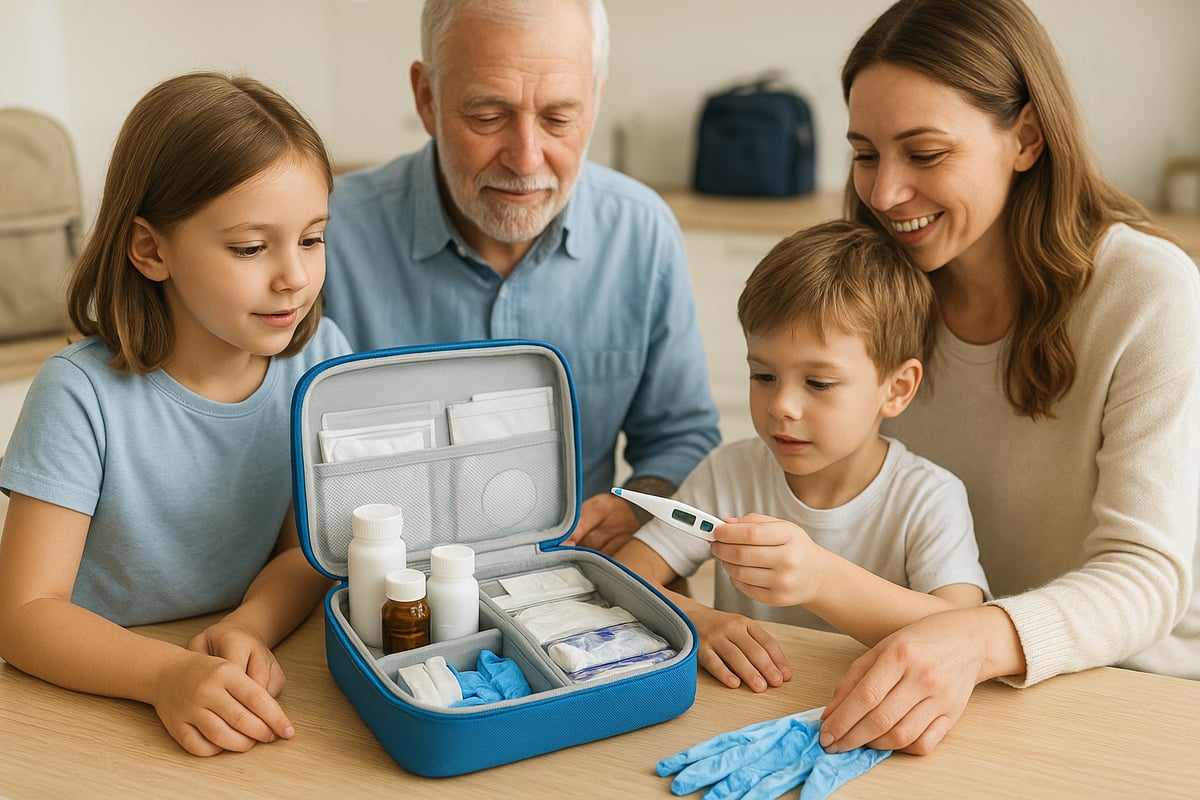
Begin by listing the ages and health conditions of everyone in your household. Are there infants, young children, elderly adults, or people with chronic illnesses? Your basic medicine kit should reflect these needs. For example, families with young children might include pediatric dosages of fever reducers, while seniors may require easy open packaging or extra blood pressure medication.
Prescription medications are critical additions. Always keep a backup supply of essential prescriptions like inhalers, EpiPens, or insulin, along with a current medication list. For anyone with allergies or chronic conditions, consult your healthcare provider to identify specialty items that should be in your basic medicine kit.
Seasonal changes affect what you will need. In spring and summer, allergy relief and sunburn care are wise additions. Winter calls for cold remedies and extra thermal blankets. If you travel often, adapt your basic medicine kit for the road. This could mean adding motion sickness remedies, water purification tablets, and compact emergency supplies. For detailed guidance on travel-ready kits, see the Vehicle first aid kit essentials.
Safety is essential. If you have children, ensure your basic medicine kit is childproofed with secure latches and keep medications well out of reach. For older adults, choose easy to read labels and accessible containers. If anyone in your home has unique medical needs, refer to recommendations from the Children with Special Healthcare Needs in Emergencies for extra preparedness steps.
Maintenance is key for readiness. Check your basic medicine kit every few months for expired items, damaged packaging, or missing supplies. Rotate out old medications and replenish anything you have used. Organize your kit so every family member can quickly find what they need in an emergency.
Here is a quick reference for customizing your kit:
| User Type | Customization Tips | Example Additions |
|---|---|---|
| Families | Child and adult dosages, allergy meds | Pediatric fever reducer, EpiPen |
| Seniors | Easy open containers, chronic meds | Blood pressure pills, pill cutter |
| Travelers | Compact, multipurpose, motion sickness | Water purifier, travel blanket |
| Athletes | Sports injury care, blister pads | Cold pack, elastic bandage |
A thoughtful, well maintained basic medicine kit provides peace of mind and practical support for every member of your household. Take time to review and update your kit regularly, so you are always prepared for whatever life brings.
Storing and Maintaining Your Medicine Kit
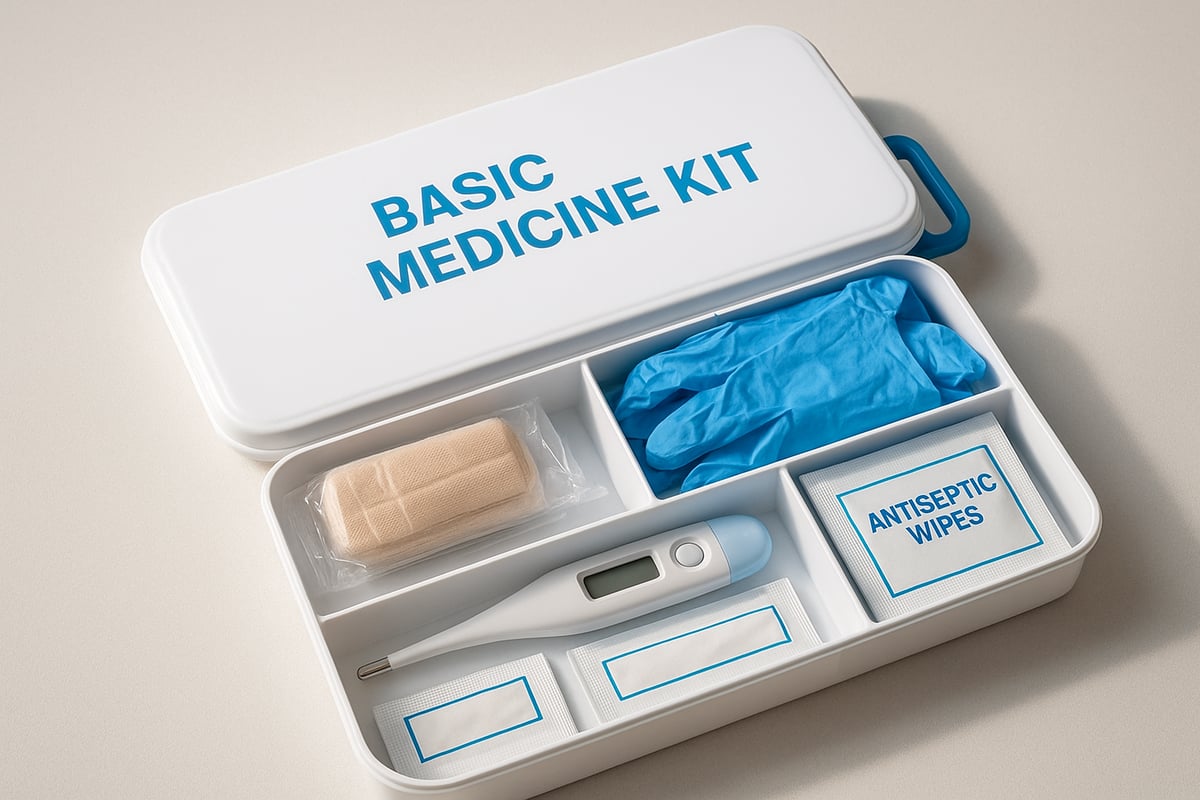
A well-organized basic medicine kit is only as effective as the way you store and maintain it. Proper storage ensures that your supplies are safe, accessible, and ready when emergencies strike. Let’s explore how to keep your basic medicine kit reliable and up to date for any situation.
Storage Environment & Accessibility
Your basic medicine kit should be stored in a cool, dry place away from direct sunlight and moisture. Humidity and heat can degrade medications and compromise sterile packaging, making supplies less effective when needed most. Select a location that all household members can reach quickly, such as a hallway closet or kitchen cabinet, but avoid bathrooms due to fluctuating temperatures.
If you travel frequently, consider maintaining a separate basic medicine kit for your car or backpack. Portable kits must be protected from temperature extremes and kept in a waterproof container to preserve their contents.
Safety & Childproofing
Safety is critical when storing your basic medicine kit, especially in homes with children or pets. Always use a secure container with a child-resistant lock or latch. Place the kit out of sight and reach of young children, yet still accessible in an emergency.
For added security, label the container clearly and inform all adults in the household of the kit’s location. Regularly remind family members about safety protocols to prevent accidental misuse or ingestion of medications.
Maintenance: Expiry, Replenishment, Organization
Maintaining your basic medicine kit requires regular attention. Check expiration dates on all medications and sterile items at least twice a year. Discard any expired, damaged, or opened supplies, as their effectiveness can be compromised.
After each use, promptly replace any items to ensure your kit remains fully stocked. Organize supplies by category and use clear labels or dividers for quick identification during emergencies. This not only saves time but reduces stress when every second counts.
Storage Solutions & Real-Life Example
Choosing the right storage solution depends on your lifestyle. Home-based kits are best kept in a fixed location, while portable kits are ideal for travel and outdoor activities. The table below outlines key differences:
| Feature | Home Kit | Portable Kit |
|---|---|---|
| Location | Fixed (closet, cabinet) | Car, backpack, luggage |
| Size | Larger, more supplies | Compact, essentials only |
| Security | Lockable, childproof | Zippered, waterproof pouch |
During the summer of 2025, a family in Texas avoided medicine spoilage when a heatwave struck because they stored their basic medicine kit in a climate-controlled area, not the garage. For those often on the move, Backpacking first aid kit essentials offers practical advice on keeping portable kits safe and effective in challenging conditions.

