7 Essential Uses for First Aid Mini Kits in 2026
Imagine being stuck in an airport during a sudden delay or handling a scraped knee while hiking with friends. In 2026, the need for preparedness is more important than ever, with changing lifestyles and unexpected emergencies on the rise.
A first aid mini kit is now an indispensable tool for everyday safety and peace of mind. With its compact design and essential supplies, it helps you handle both minor and urgent situations quickly.
This article reveals the seven essential uses for first aid mini kits that everyone should know in 2026. From travel and outdoor adventures to workplaces and schools, discover how to stay ready for anything.
The Evolution of First Aid Mini Kits: Why They Matter in 2026
First aid mini kits have undergone a remarkable transformation over the last decade. What once were heavy, cumbersome boxes are now sleek, lightweight solutions designed for everyday convenience. The first aid mini kit of 2026 is engineered to fit easily in your pocket, purse, or glove compartment, making preparedness more accessible than ever. Innovations in materials and design have also expanded the range of supplies that can be packed into these compact cases.
| Feature | Old Bulky Kits | Modern First Aid Mini Kits |
|---|---|---|
| Size | Large, heavy | Ultra-compact, lightweight |
| Portability | Limited | Fits pockets, bags, cars |
| Contents | Basic, limited | Versatile, customizable |
| Accessibility | Inconvenient | Quick, one-handed access |
Rising demand for portable solutions is evident in sales figures from major retailers. Walmart’s bulk first aid mini kit offerings have surged in popularity, reflecting a shift in how consumers value readiness. As lifestyles change with increased travel, remote work, and outdoor activities, the need for a reliable first aid mini kit grows. People expect their safety gear to be both convenient and versatile, adapting to the fast-paced world of 2026.
Quick access to medical supplies can make a critical difference during emergencies. A first aid mini kit ensures that bandages, antiseptic wipes, and other essentials are always within reach. Regulatory trends, such as updated OSHA and ANSI standards, also drive workplaces and public spaces to provide easily accessible first aid mini options. These evolving requirements support safer environments for employees and visitors alike.
The role of the first aid mini kit goes beyond compliance. It empowers individuals to take control of their well-being and respond confidently in unexpected situations. Today’s consumers demand solutions that offer both reliability and adaptability. For a deeper understanding of how far these kits have come—and what features matter most—explore the Complete guide to small first aid kits. As 2026 approaches, the expectation for convenience, versatility, and peace of mind will only continue to rise, making the first aid mini kit a true essential for all.
7 Essential Uses for First Aid Mini Kits in 2026
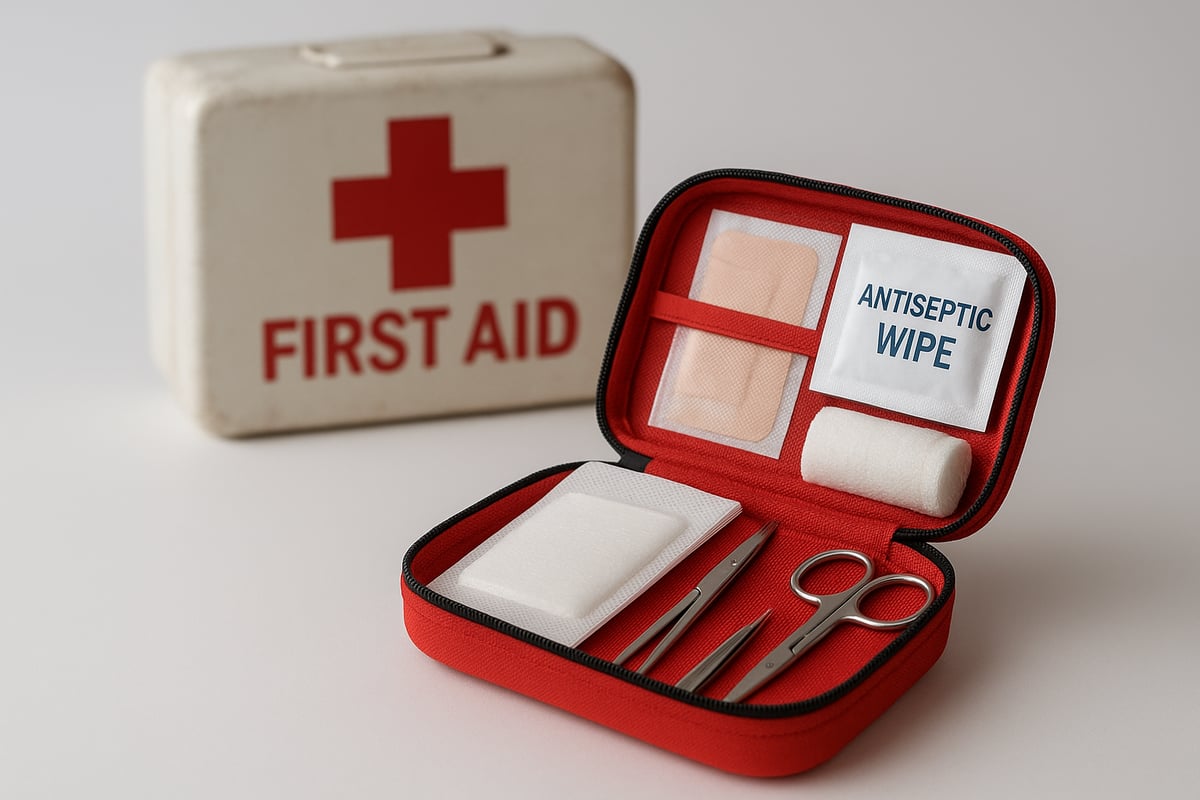
Today's world demands readiness for the unexpected, and a first aid mini kit is a practical solution for modern emergencies. From travel hiccups to everyday mishaps, these compact kits have become a staple for personal safety in 2026. Let's explore the seven essential uses for first aid mini kits and discover how they can empower you in any scenario.

1. [Travel and On-the-Go Emergencies]
Travel in 2026 is more dynamic than ever, with people frequently moving for work, leisure, or family visits. A first aid mini kit is an essential companion for any traveler, as it ensures immediate access to medical supplies during unexpected incidents. Whether you are catching a flight, embarking on a road trip, or commuting daily, these kits fit seamlessly into suitcases, backpacks, or glove compartments.
Consider the growing popularity of TSA-compliant options, like the Johnson & Johnson First Aid To Go kit, which allows you to treat minor cuts, scrapes, or blisters without hassle. According to traveler reviews, the demand for portable first aid mini kits has risen alongside incidents such as accidental falls, motion sickness, or allergic reactions while on the move.
Customizing your travel kit can make a real difference. Add medications for headaches, motion sickness, or allergies, and include items specific to your destination. For more details on must-have items for international journeys, see first aid kit essentials for international travel.
Digital nomads and business travelers also rely on first aid mini kits to maintain productivity and wellness on the road. Whether facing a delayed flight or a minor injury abroad, having a first aid mini kit ensures peace of mind and self-reliance.
Travel Kit Customization Tips:
- Add personal medications and allergy treatments
- Include spare masks and sanitizer for hygiene
- Pack extra adhesive bandages for blisters
Having a first aid mini kit turns every journey into a safer experience, no matter where life takes you.
2. [Workplace and Office Safety]
Workplaces in 2026 have evolved, with offices, warehouses, and remote spaces all prioritizing health and safety. A first aid mini kit is now a standard in desk drawers, company vehicles, and break rooms. Quick access to medical supplies can prevent minor injuries from escalating and supports immediate care for paper cuts, burns, or allergic reactions.
Regulations like OSHA and ANSI standards highlight the need for accessible first aid mini kits. Companies often choose bulk options, such as the DecorRack Bulk First Aid Kit, to ensure every employee is covered. Statistics show a steady increase in minor workplace injuries, especially in environments where people multitask or handle equipment.
Employee wellness programs frequently encourage staff to keep a first aid mini kit at their workstation. This approach streamlines the response to accidents and reduces downtime. Remote workers also benefit, as home offices are not immune to slips, scrapes, or tech-related injuries.
Office Placement Suggestions:
- Desk drawers for personal use
- Break rooms for shared access
- Company vehicles for travel-related needs
Integrating a first aid mini kit into workplace routines fosters a culture of safety and self-sufficiency. Preparedness means fewer disruptions and a healthier, more resilient team.
3. [Outdoor Adventures and Recreation]
Outdoor activities are booming in 2026, with more people hiking, camping, cycling, and exploring nature. Every outdoor enthusiast should carry a first aid mini kit, as it provides crucial support when medical help is far away. The Elite Tactical First Aid Kit is a popular choice for those who need durability and comprehensive supplies.
Common outdoor injuries include insect bites, sprains, and minor wounds. A first aid mini kit enables immediate treatment, reducing the risk of infection and allowing adventurers to continue their journey with confidence. Data from outdoor clubs show that timely care with a first aid mini kit significantly decreases downtime after injuries.
Waterproof and rugged kits, like the KITGO Mini First Aid Kit, are ideal for unpredictable weather and rough terrain. Customizing your kit for specific activities can further enhance safety. For instance, add burn gel for campfire cooking or extra blister pads for long hikes.
Outdoor Kit Customization Table:
| Activity | Additions to First Aid Mini Kit |
|---|---|
| Camping | Burn gel, insect repellent, tweezers |
| Cycling | Large adhesive pads, instant ice pack |
| Hiking | Extra blister pads, moleskin |
Outdoor clubs and youth groups often require members to carry a first aid mini kit, making it a standard part of gear checklists. Being prepared means you can handle surprises and enjoy the outdoors with peace of mind.
4. [School and Child Safety]
Schools and childcare centers are embracing personal preparedness in 2026. Every parent, teacher, and student should have access to a first aid mini kit, especially for treating playground scrapes, nosebleeds, or mild allergic reactions. Compact kits fit easily into backpacks or classroom drawers, making them accessible when seconds count.
School nurse visits for minor injuries are common, but having a first aid mini kit can reduce classroom disruptions. Quick care helps keep kids learning and minimizes anxiety for both students and staff. New policies now encourage students to carry their own kits, fostering personal responsibility and safety awareness.
When building a child-friendly first aid mini kit, consider age-appropriate items such as cartoon bandages, gentle antiseptic wipes, and child-safe scissors. Teaching children basic first aid skills empowers them to act confidently in emergencies.
Kid-Friendly Kit Checklist:
- Fun adhesive bandages
- Alcohol-free wipes
- Emergency contact card
For more on child-specific needs, see first aid supplies for children.
Personal first aid mini kits in schools are more than a trend; they are shaping a culture of preparedness for the next generation.
5. [Sports, Fitness, and Team Events]
Athletes, coaches, and spectators all benefit from carrying a first aid mini kit at sports events. Minor injuries like blisters, sprains, and cuts are common in both youth and adult leagues. A portable first aid mini kit in a team bag or on the sidelines can make all the difference during a match.
Sports organizations increasingly require first aid mini kits as part of league safety protocols. Quick access helps manage injuries and supports faster recovery times. Coaches and trainers often customize their kits with extra ice packs, elastic bandages, and antiseptic spray based on the sport.
Customizing Kits for Sports:
- Soccer: Add gel ice packs, athletic tape
- Basketball: Include finger splints, wound closures
- Running: Pack extra blister care and compression wraps
Having a first aid mini kit supports not just the players but also the fans attending events. Quick care means less downtime and a safer environment for everyone involved.
6. [Home and Family Preparedness]
Home is where most accidents occur, making a first aid mini kit vital for families, roommates, and seniors. Keeping a kit in the kitchen, bathroom, or garage ensures immediate help for cooking burns, DIY mishaps, or even pet-related injuries.
Common home accidents include minor cuts, burns, and falls. Treating these injuries quickly with a first aid mini kit can prevent complications and reduce the need for professional care. Family members should know where the kit is kept and what supplies are included.
Periodic checks and restocking are key to keeping your first aid mini kit ready for emergencies. Add items specific to your household, such as pediatric medications or pet-safe antiseptics.
Home Kit Placement Tips:
- Kitchen for cooking-related accidents
- Bathroom for slips and falls
- Garage for DIY projects
A first aid mini kit is more than a box of supplies; it is a foundation for household safety and peace of mind.
7. [Natural Disasters and Emergency Situations]
Natural disasters are more frequent in 2026, making preparedness a top priority. A first aid mini kit is a critical part of every emergency plan, whether you are facing earthquakes, floods, storms, or power outages. Agencies like FEMA and the Red Cross recommend including a mini kit in go-bags and emergency shelters.
During disasters, access to medical care may be delayed. A first aid mini kit provides essential support for treating injuries until help arrives. Recent data shows communities with widespread mini kit usage experience better outcomes during emergencies.
Augment your kit with disaster-specific supplies, such as Mylar blankets, whistles, and extra medication. Community resilience programs often distribute first aid mini kits to vulnerable populations, supporting mutual aid and rapid response.
Disaster Kit Additions Table:
| Item | Purpose |
|---|---|
| Mylar Blanket | Warmth and shock prevention |
| Whistle | Signal for help |
| Headlamp | Hands-free lighting |
Being prepared with a first aid mini kit strengthens both individual safety and community resilience during times of crisis.
How to Choose the Right First Aid Mini Kit for Your Needs
Selecting the right first aid mini kit is crucial to ensure you are prepared for any situation in 2026. With so many options on the market, it can be overwhelming to decide which kit offers the best protection for your lifestyle. The right first aid mini kit should be compact, yet comprehensive enough to address a range of emergencies, whether at home, work, or on the go.
Key Features to Look for in a First Aid Mini Kit
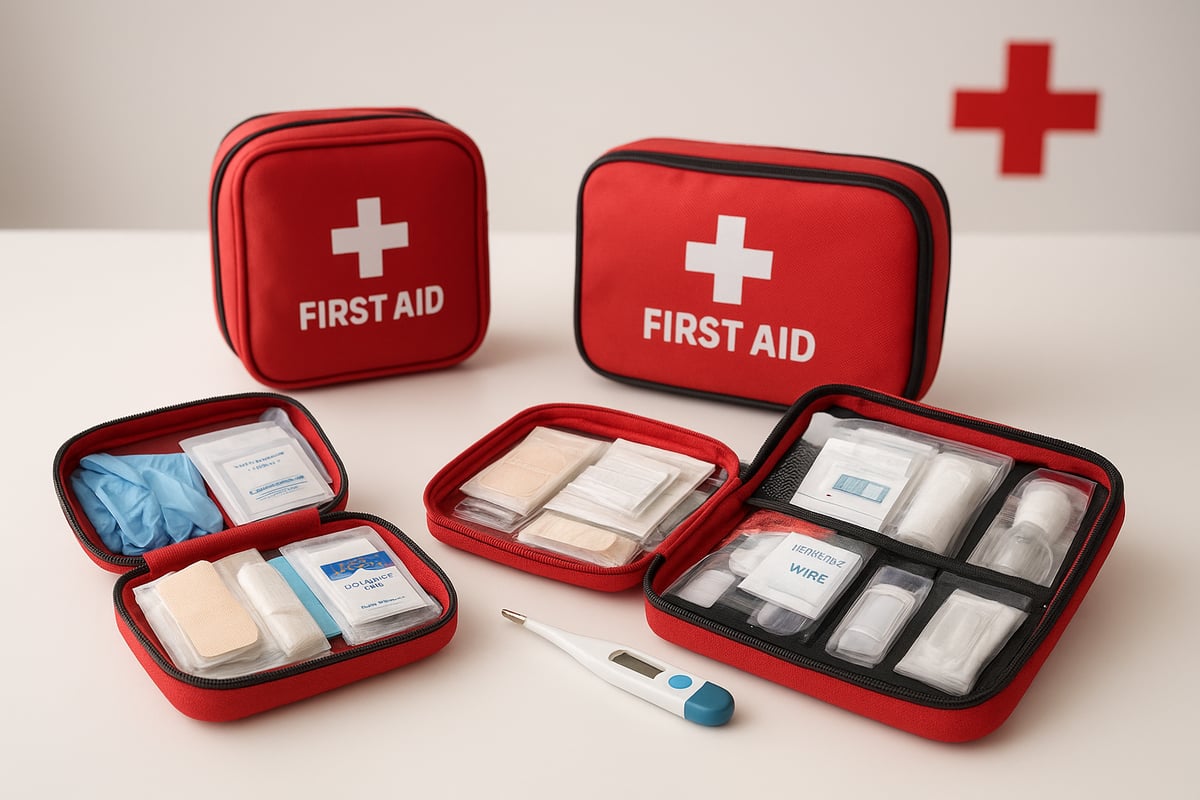
When evaluating a first aid mini kit, consider these essential features:
- Size and Portability: The kit should fit conveniently in a glove compartment, backpack, or desk drawer.
- Contents: Look for a mix of bandages, antiseptics, gloves, tweezers, and a digital thermometer.
- Durability: Cases should be water-resistant or waterproof, especially for outdoor use.
- Accessibility: Supplies must be easy to find and organized for quick access in urgent moments.
To ensure your kit meets current standards, review the ANSI Workplace First Aid Kit Standards. These guidelines help define what a compliant first aid mini kit should contain, especially for workplace safety.
All-Purpose vs. Activity-Specific Kits
Depending on your needs, you may prefer an all-purpose first aid mini kit or one tailored to specific activities. The table below summarizes common differences:
| Feature | All-Purpose Kit | Activity-Specific Kit |
|---|---|---|
| Contents | Basic wound care, general meds | Items for hiking, travel, or sports |
| Size | Compact, general fit | May include specialty items, slightly larger |
| Use Case | Home, office, car | Camping, sports, travel |
| Example | Johnson & Johnson All-Purpose | Tactical or outdoor-specific kits |
Checklist: Must-Have Items for 2026
A well-stocked first aid mini kit should include:
- Assorted adhesive bandages
- Antiseptic wipes
- Sterile gauze pads
- Medical gloves (nitrile)
- Tweezers and small scissors
- Digital thermometer
- Burn gel or ointment
- Allergy medication (if needed)
- Emergency contact card
Personalizing Your First Aid Mini Kit
Personalization is key for maximizing the usefulness of your first aid mini kit. If you or your family members have allergies, ensure the kit includes appropriate medication. For those with chronic conditions, add extra prescription supplies. Families with children might benefit from kid-friendly bandages and dosing instructions.
Customer reviews on Walmart and the Girl Scout Shop often highlight the importance of tailoring kits to specific environments. For example, business travelers may want extra pain relievers, while outdoor enthusiasts add insect bite relief and blister care.
Budget vs. Premium Options
Decide whether a basic first aid mini kit meets your needs or if investing in a premium, specialized kit is worthwhile. Premium kits often feature higher quality materials, more comprehensive contents, and enhanced durability. If you have unique health needs or participate in high-risk activities, the investment can make a significant difference in emergencies.
Ultimately, the best first aid mini kit is the one that fits your lifestyle, meets recognized standards, and is ready when you need it most.
Maintaining, Restocking, and Using Your First Aid Mini Kit Effectively
Keeping your first aid mini kit ready for action starts with regular maintenance. Inspect your kit every few months, checking expiration dates on medications and supplies. Discard any items that are damaged or out of date. This simple habit ensures that your first aid mini kit remains reliable when you need it most.
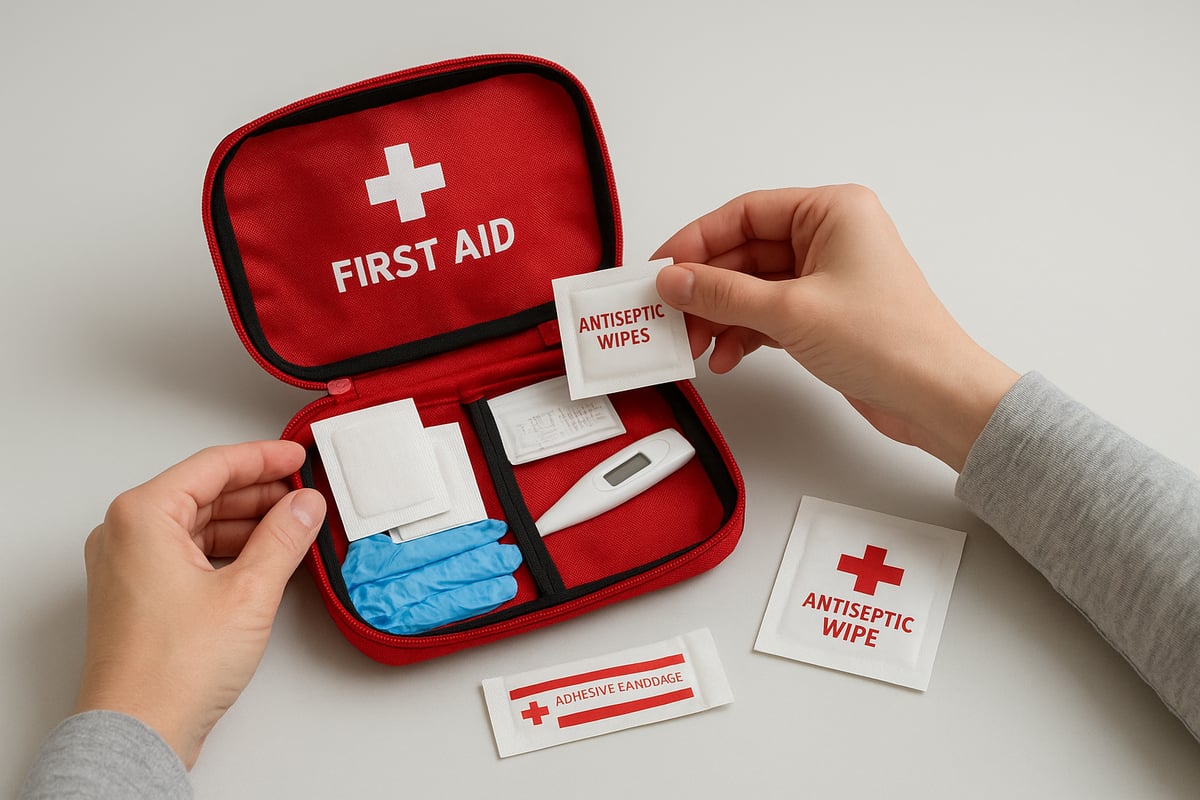
Restocking your kit is straightforward. You can purchase refill packs or source individual supplies based on usage. Many people opt for bulk purchases to save time and money. For detailed guidance on maintaining and replenishing supplies, refer to First Aid Kit Maintenance Tips, which also highlights how to stay compliant in workplace settings. Keeping your first aid mini kit fully stocked guarantees you are prepared for any minor incident.
Organization is key to effective use. Arrange your first aid mini kit so that essentials like gloves and antiseptic wipes are easily accessible. Use clear pouches or labeled sections to make items easy to find in a hurry. In an emergency, a well-organized kit can save precious seconds and reduce stress.
Beyond supplies, knowing how to use your first aid mini kit is just as important. Basic first aid skills—such as wound cleaning, bandaging, and recognizing emergencies—can make a real difference. Many workplaces and schools now include hands-on training sessions to build confidence and competence. For those interested in digital learning, resources like the FirstAidQA Dataset for Emergency Response are pushing the boundaries of first aid education through technology and artificial intelligence.
Staying proactive with your first aid mini kit means more than just having supplies on hand. Routine checks, thoughtful organization, and ongoing education ensure you are always ready to respond. With these habits, your first aid mini kit becomes a true asset in any situation.

