The Expert Guide to 1st Aid Bag Essentials for 2026
In 2026, the need for first aid preparedness is more urgent than ever, with natural disasters, health threats, and daily accidents on the rise. A well-stocked 1st aid bag can make the difference between a minor incident and a major emergency, saving lives and easing stress in critical moments. Confidence comes from knowing you have everything you need wherever you are—at home, work, or traveling. This expert guide will walk you through the essential contents and best practices for assembling a 1st aid bag in 2026, covering core items, advanced tools, smart organization, kit upkeep, and expert tips.
Core 1st Aid Bag Essentials for 2026
Preparedness in 2026 starts with understanding what belongs in your 1st aid bag. Evolving emergencies and updated safety guidelines mean that every item you pack must be purposeful and reliable. Let us break down the core essentials, ensuring your 1st aid bag meets the latest standards and truly delivers when it matters most.
Updated Standards and Why They Matter
First aid guidelines continue to evolve as new health threats and research emerge. In 2026, organizations like the Red Cross and World Health Organization have updated protocols for wound care, infection prevention, and emergency response. For anyone assembling a 1st aid bag, compliance with these standards is crucial. Not only do they protect individuals, but they also minimize liability for professionals.
For example, recent updates emphasize advanced wound cleansing and infection control, reflecting data showing that infection remains a leading complication from minor injuries. Statistics reveal that over 40% of home emergencies require immediate first aid, highlighting the necessity of a well-stocked 1st aid bag. Staying current with standards ensures that you are ready for the most common emergencies.
Must-Have Basic Supplies
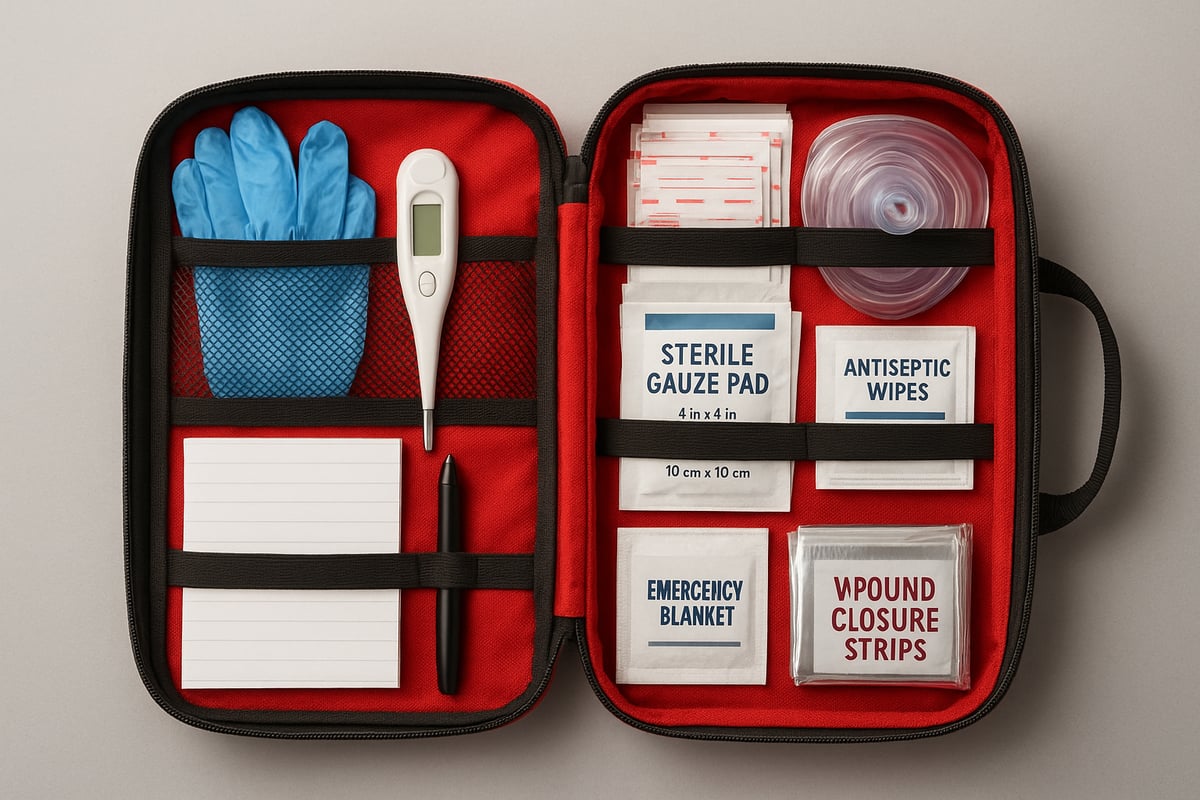
Every 1st aid bag should include a core set of basic supplies. These items form the backbone of emergency response, covering injuries from minor cuts to more serious wounds. Essential items include:
- Adhesive bandages for small cuts and scrapes
- Sterile gauze pads to dress wounds and control bleeding
- Antiseptic wipes to clean skin and prevent infection
- Adhesive tape for securing dressings
- Tweezers for removing splinters or debris
- Medical scissors for cutting tape or clothing
- Nitrile gloves to protect both responder and patient
Nitrile gloves are preferred over latex due to allergy concerns and improved durability. In countless real-world scenarios, these basic items have made the difference between a quick recovery and a preventable complication. For a deeper dive into what your 1st aid bag should never be without, see the must-have first aid kit items.
Medications and Topicals
Medications are a vital part of any 1st aid bag. Common over-the-counter pain relievers, such as acetaminophen or ibuprofen, help manage discomfort and inflammation. Antihistamines address allergic reactions, while burn ointments and hydrocortisone cream soothe skin irritations and minor burns.
Safe storage is essential—always check expiration dates and store medications in a cool, dry compartment of your 1st aid bag. Including aspirin is particularly important, as it can be life-saving when given to someone experiencing symptoms of a heart attack. Keeping these medications handy ensures your 1st aid bag is prepared for a wide range of emergencies.
Emergency Tools and Devices
Modern emergencies demand more than just supplies; tools and devices in your 1st aid bag can significantly improve response outcomes. A digital thermometer allows for accurate fever assessment, while a CPR mask provides safe and effective breathing support in resuscitation scenarios. Instant cold packs help reduce swelling, and an emergency blanket can prevent shock by retaining body heat.
Splinting materials are also key for stabilizing fractures or sprains. For instance, using a CPR mask in a public emergency allows anyone to provide life-saving care while maintaining hygiene. Equip your 1st aid bag with these tools to boost your confidence and capability.
Wound Care and Infection Control
Proper wound management is at the heart of every 1st aid bag. Sterile saline is used to flush out debris, while wound closure strips help seal cuts and minimize scarring. Antibiotic ointment and alcohol pads further reduce infection risk.
Studies show that improper wound care can increase infection rates by up to 60%. By including these supplies, your 1st aid bag becomes a critical tool for preventing complications and speeding recovery. Always review the latest recommendations for wound care to ensure your kit remains effective.
Documentation and Emergency Info
No 1st aid bag is complete without essential documentation. An emergency contact card provides responders with quick access to critical information, while a medical history form highlights allergies and pre-existing conditions. A pen and notepad allow you to record vital signs, track treatments, or communicate in stressful situations.
In critical moments, having this documentation ready can save valuable time and ensure appropriate care. Make sure your 1st aid bag includes these simple yet powerful tools for maximum preparedness.
Advanced and Specialized Supplies for 1st Aid Bags
As we move into 2026, the landscape of first aid is rapidly evolving. A modern 1st aid bag should go beyond basic supplies and include advanced items that address severe emergencies and unique needs. These specialized tools can make the difference between life and death, especially when professional help is delayed.
Trauma and Bleeding Control
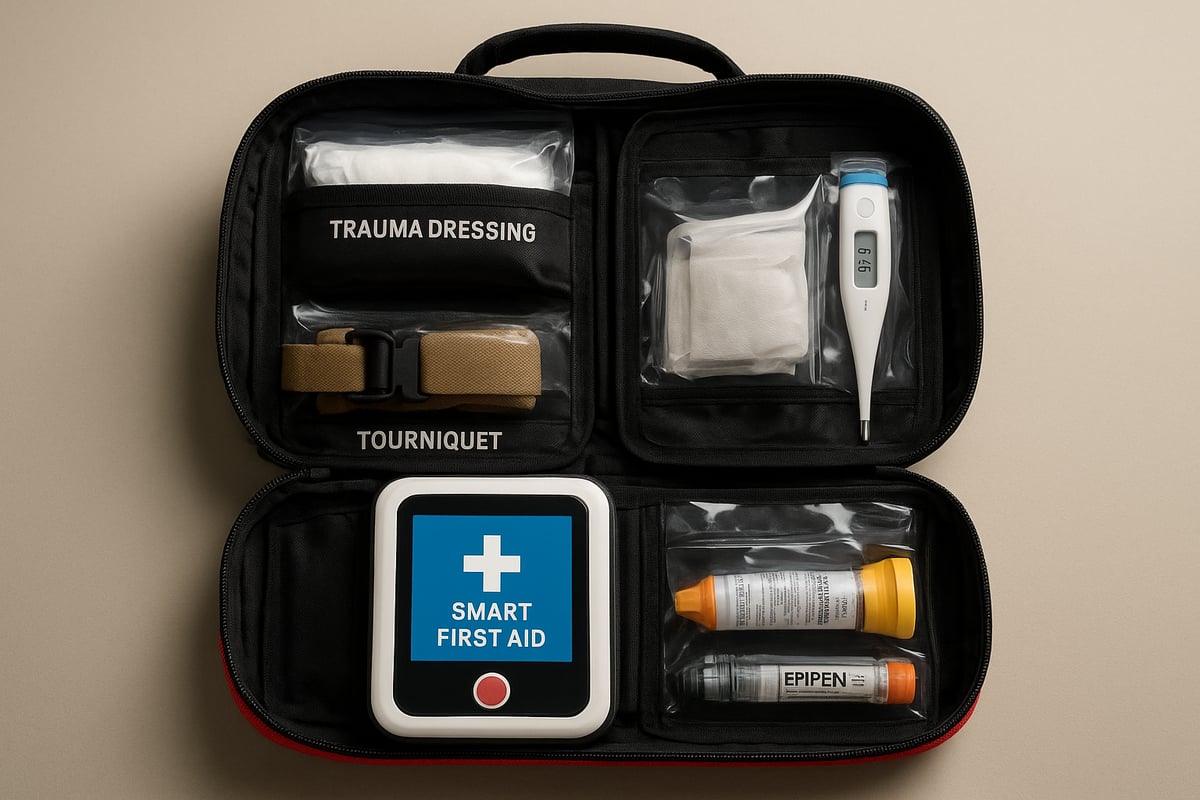
Severe bleeding is among the most urgent emergencies where an advanced 1st aid bag becomes invaluable. Supplies such as a tourniquet, hemostatic gauze, and trauma dressings are now standard recommendations for both professional and home kits. These tools, when used correctly, can stop life-threatening blood loss within minutes.
Recent studies reveal that prompt bleeding control increases survival rates by as much as 30 percent in trauma cases. A well-stocked 1st aid bag should also include splinting materials; for more details, see the Best splints for first aid kits guide, which highlights essential options for injury management.
With these supplies, even lay responders can stabilize wounds until emergency services arrive.
Airway and Breathing Support
Airway and breathing emergencies can escalate quickly, making specialized tools a vital part of any 1st aid bag. Items such as a pocket resuscitator, oral airway adjuncts, and a rescue inhaler for those with known respiratory issues help maintain oxygen flow in critical situations.
Including these supplies is especially important for workplaces, schools, or family members with asthma or allergies. For example, having a rescue inhaler available can prevent complications during an asthma attack, giving precious time before advanced care arrives.
A 1st aid bag equipped with these tools empowers responders to act confidently during respiratory emergencies.
Specialized Medications and Auto-Injectors
Certain emergencies require rapid administration of specific medications. For those at risk of severe allergic reactions, an EpiPen auto-injector is essential in every 1st aid bag. Likewise, glucose gel is crucial for diabetics who may experience hypoglycemia.
When adding prescription items, always consider legal requirements and ensure the medications are prescribed to the intended user. Safe storage and clear labeling are critical. In cases of anaphylaxis, immediate use of an EpiPen can be life-saving, emphasizing the importance of these advanced supplies.
A 1st aid bag tailored with these medications provides targeted care for high-risk individuals.
Pediatric and Geriatric Considerations
A truly comprehensive 1st aid bag addresses the unique needs of children and older adults. Pediatric-specific bandages, low-dose medications, and easy-open packaging make care more accessible for all ages.
For elderly family members, include items like pill organizers and non-slip gloves. Statistics show that falls and allergic reactions are among the most common emergencies for both age groups.
Customizing the 1st aid bag for your household ensures everyone, from toddlers to seniors, receives appropriate first aid support when it matters most.
Tech Innovations in First Aid (2026 Update)
Technology is transforming the 1st aid bag, making it smarter and more responsive. App-connected thermometers, digital wound monitors, and wearable devices now help users track vital signs and receive real-time guidance.
Many modern kits include QR codes linking to instructional videos or emergency apps that walk you through essential steps. For example, smart wound sensors can alert you if an infection is likely, helping to prevent complications.
This integration of technology ensures your 1st aid bag not only treats injuries but also keeps you informed and prepared for any scenario.
Choosing the Right 1st Aid Bag: Size, Durability, and Organization
Selecting the right 1st aid bag is critical for effective emergency response. The optimal kit combines the right size, construction, and organization for your needs. A well-chosen 1st aid bag ensures supplies are accessible, protected, and ready when seconds matter.
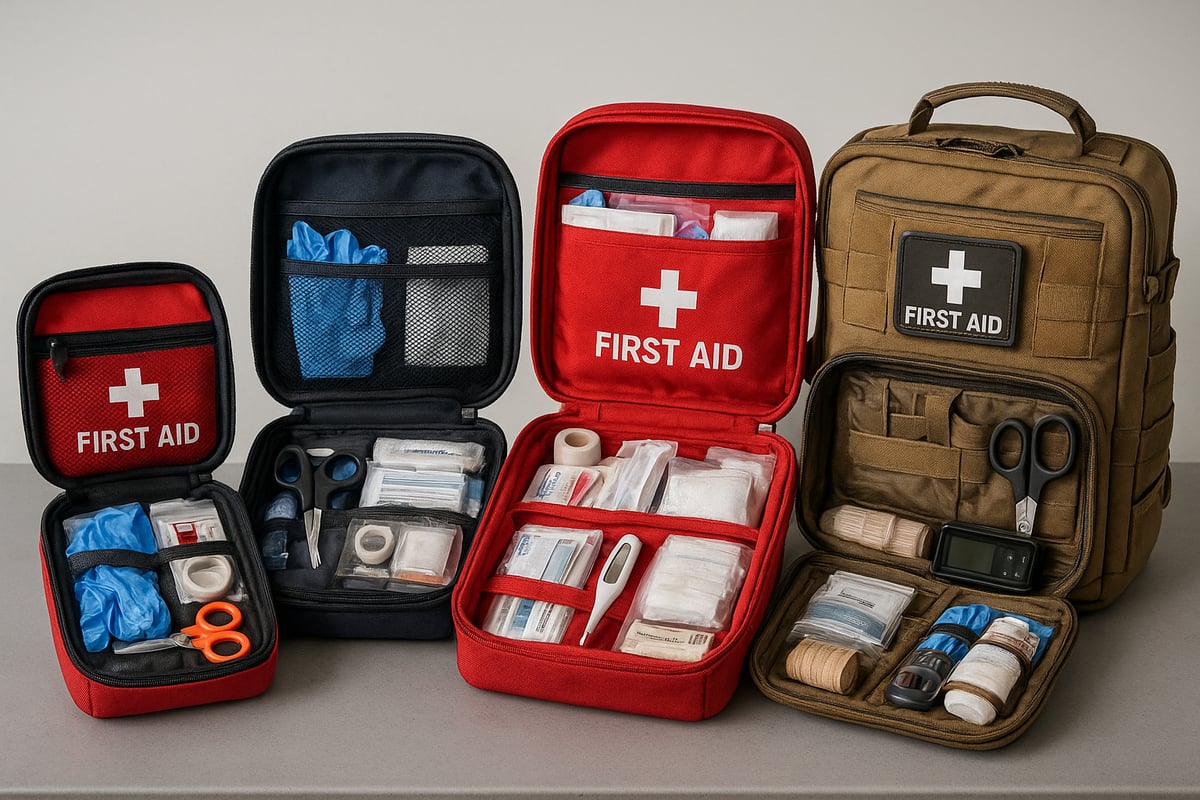
Types of 1st Aid Bags
There are four main types of 1st aid bag: home, travel, workplace, and tactical kits. Each is designed for specific settings and risk profiles.
- Home kits are larger, covering family needs and a range of minor injuries.
- Travel kits are compact, focusing on portability and basic emergencies.
- Workplace kits comply with regulatory standards, often including burn care and eye wash.
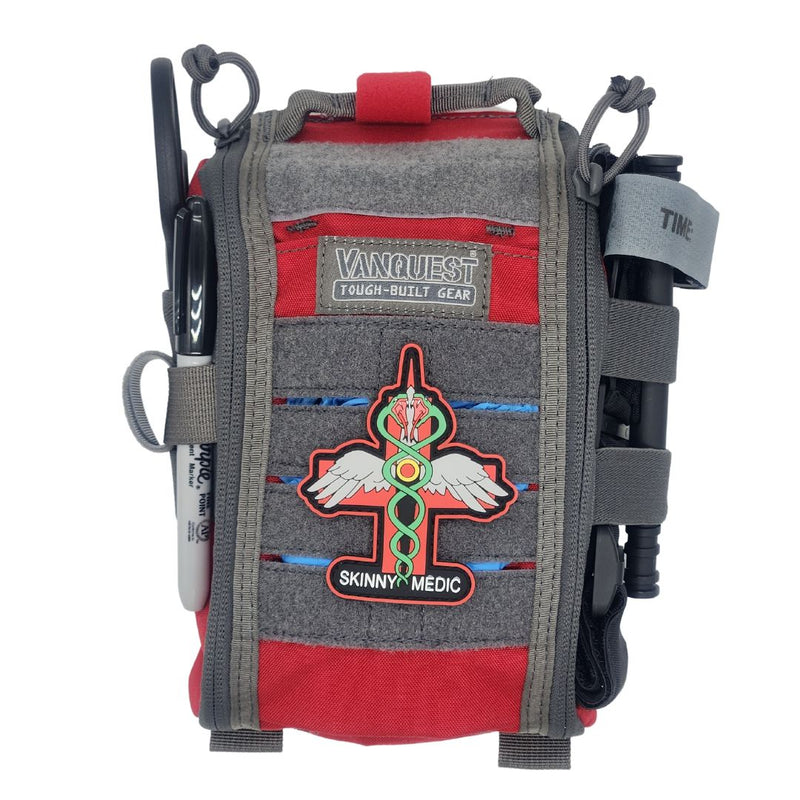
- Tactical kits are built for high-risk or outdoor environments, prioritizing trauma care and rapid deployment.
Tactical kits have gained popularity due to their robust build and specialized organization, making them ideal for both professionals and outdoor enthusiasts. For a detailed breakdown of tactical kit contents and organizational strategies, see Tactical first aid kit contents. Choosing the right 1st aid bag type ensures your kit matches your activities, environment, and expected emergencies.
Material and Durability Considerations
When selecting a 1st aid bag, material and construction quality are as important as contents. Look for bags made from water-resistant fabrics, with reinforced stitching and rugged zippers. These features protect supplies from moisture, dirt, and rough handling.
Bags with poor construction often fail in the field, putting critical medical items at risk. Field tests show that low-quality bags can tear or leak, leading to contamination or lost supplies. Investing in a durable 1st aid bag increases reliability and readiness for any situation.
Organization and Accessibility
Efficient organization in your 1st aid bag saves precious time during emergencies. Choose bags with modular compartments, clear labeling, and color-coded pouches for different item categories. These features help you find what you need quickly, reducing stress and confusion.
A well-organized 1st aid bag can mean the difference between a quick response and a delayed one. Case studies reveal that clear organization cuts response time in half, allowing users to locate gloves, scissors, or medications with minimal searching. Prioritize accessibility and logical layout when assembling your bag.
Customizing for Your Environment
Customizing your 1st aid bag for your environment maximizes its effectiveness. Urban users may prioritize compact kits with transport accident supplies, while rural or outdoor settings require wilderness-specific items such as insect repellent, heat or cold packs, and blister care.
Climate also influences supply choices. In hot areas, include electrolyte packets; in cold climates, add hand warmers. Surveys show that people often forget climate-specific and personal items, like allergy medications or sunscreen, when building their 1st aid bag. Review your typical environment and activities to ensure your kit is truly ready for your needs.
Maintaining and Updating Your 1st Aid Bag
Keeping your 1st aid bag in optimal condition is just as important as assembling it in the first place. Regular maintenance ensures that every item is ready for use when emergencies arise. By following the latest best practices, you can maximize the safety and effectiveness of your 1st aid bag for any situation.
Regular Inventory Checks and Restocking
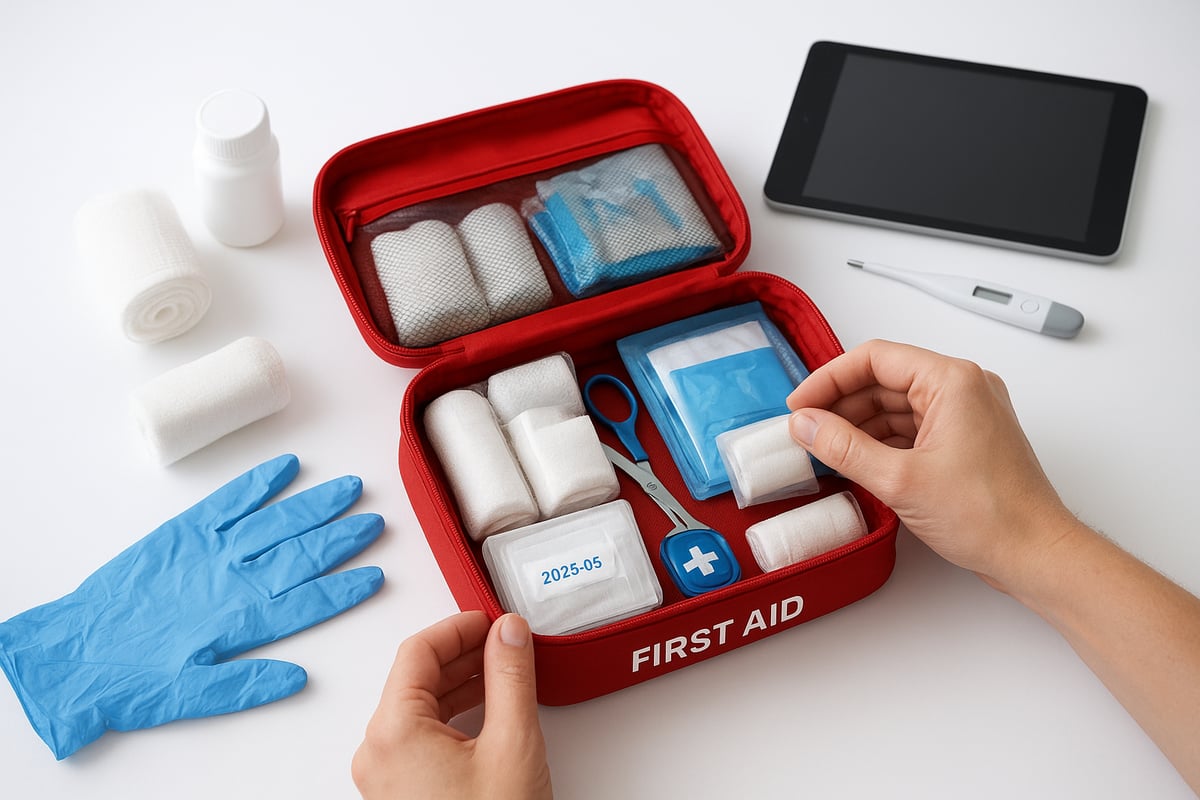
Conducting routine inventory checks is essential to guarantee your 1st aid bag stays fully stocked and reliable. Experts recommend reviewing your kit every month for busy environments or at least quarterly for home use.
Tracking expiration dates on medications and supplies prevents you from using ineffective or unsafe products. Digital inventory apps can streamline this process, sending reminders when items near expiry or run low. Creating a checklist for your 1st aid bag can help you spot missing essentials quickly.
After each use, immediately replace any consumed or contaminated items. This habit ensures you never face an emergency with depleted resources. Regular maintenance keeps your 1st aid bag dependable when you need it most.
Safe Storage and Environmental Protection
Proper storage of your 1st aid bag is crucial for preserving the integrity of its contents. Always keep your kit in a cool, dry place away from direct sunlight and moisture. High temperatures and humidity can degrade medications and cause adhesive bandages or tapes to lose their effectiveness.
Use airtight containers or pouches for sensitive items. If your 1st aid bag is stored in a vehicle, rotate items more frequently due to temperature fluctuations. Studies show that some medications lose potency rapidly when exposed to heat, which compromises your response in emergencies.
Label your 1st aid bag clearly and ensure it is easy to access during an emergency. A well-maintained bag delivers reliable performance and peace of mind.
Training and Familiarization
Knowing how to use every item in your 1st aid bag is vital for effective emergency response. Even the best-stocked kit is only as good as the user's skills. Consider enrolling in local first aid courses or participating in online training to boost your confidence and competence.
Research confirms that first aid training improves knowledge and skills among laypeople. Familiarize yourself with each supply, practice using tools, and keep instructions handy for reference.
Regular drills with family or colleagues ensure everyone knows where the 1st aid bag is and how to use it. Trained responders consistently achieve better outcomes in emergencies.
Adapting to Medical and Lifestyle Changes
Updating your 1st aid bag to reflect changes in your health, family, or environment is essential. If someone in your household receives a new diagnosis or medication, add the necessary supplies and instructions to your kit.
When welcoming new family members or pets, review guidelines for building a family first aid kit to ensure your 1st aid bag meets everyone's needs. During public health events, such as a pandemic, include relevant items like masks or sanitizers.
Regularly reassess your kit to keep it relevant and comprehensive. A personalized 1st aid bag will always be ready for whatever life brings.
Expert Recommendations and Customization Tips for 2026
Being proactive about your 1st aid bag means more than just having the basics. Expert insight, customization, and a commitment to ongoing learning are crucial for real preparedness. Here is how to ensure your kit is truly ready for anything.
Consulting Medical Professionals
Consulting healthcare professionals when assembling your 1st aid bag is invaluable. Paramedics, doctors, and pharmacists can recommend the best supplies for your specific medical needs, especially if you or family members have chronic conditions.
For example, a doctor might suggest adding a blood glucose gel for a diabetic or a rescue inhaler for an asthmatic child. Medical professionals also help prevent errors, ensuring you include correct dosages and avoid contraindicated items. According to recent studies, expert input has reduced first aid errors by up to 30 percent.
Personalized advice leads to a safer, more effective 1st aid bag, ready for real emergencies.
Personalization for Activities and Risk Profiles
Every 1st aid bag should reflect the activities and risks you encounter most. Outdoor enthusiasts benefit from tick removal tools and extra blister care, while athletes might need cold packs and elastic bandages.
If you travel often, consider anti-diarrheal medications and motion sickness remedies. For workplace settings, include items addressing specific hazards, like burn dressings in a kitchen or eye wash in a lab.
Statistics show that over 60 percent of first aid incidents are activity-related. By tailoring your 1st aid bag, you maximize its usefulness and ensure you are prepared for the most likely scenarios.
Incorporating Feedback from Real-World Use
Learning from real-world experiences is key to refining your 1st aid bag. Listen to feedback from family, colleagues, or others who have used kits in emergencies. Incident reports often reveal missing items or better ways to organize supplies.
For instance, after a hiking trip where someone suffered a sprain, you might add a compact splint or extra pain relievers. A case study from a community group showed that kit upgrades, based on past incidents, improved response time by 20 percent.
Regularly updating your 1st aid bag based on real experiences ensures it stays relevant and effective.
Staying Ahead: Monitoring Trends and Updates
Staying informed about first aid innovations and updated guidelines helps keep your 1st aid bag current. Subscribe to newsletters, follow official organizations, and review new recommendations each year.
For example, reviewing the Updated CPR & ECC Materials List 2025 ensures your kit matches the latest standards. Over the past decade, trends have shifted toward digital wound monitors and app-supported devices.
By actively monitoring changes, you make sure your 1st aid bag includes the best tools, helping you respond confidently to any emergency.