Uline First Aid Kit Guide: Essentials for 2026 Safety
In 2026, safety expectations for both workplaces and homes are rising rapidly. Are you confident your current emergency supplies are up to the challenge?
This guide will help you discover exactly what a uline first aid kit needs to meet and exceed the latest safety standards. As regulations become stricter and emergencies more common, knowing the essentials is critical for compliance and peace of mind.
Inside, you will find expert insights on the newest Uline kit options, updated compliance rules, must-have supplies, smart selection strategies, and proven maintenance tips. Let’s ensure you are prepared to handle any emergency with confidence and clarity.
Understanding 2026 Safety Standards for First Aid Kits
The landscape of first aid kit requirements is rapidly changing. As 2026 approaches, organizations must ensure their safety supplies meet the latest standards. This section will guide you through the essential updates, industry-specific needs, and how the uline first aid kit stands out for compliance.
Overview of Regulatory Changes
In 2026, regulatory bodies like OSHA and ANSI/ISEA have introduced significant updates impacting every uline first aid kit. The ANSI/ISEA Z308.1-2026 standard now requires expanded contents, reflecting the influence of global health events and a rise in workplace hazards. For example, tourniquets and advanced bleeding control items are mandatory in certain settings. According to Safety+Health Magazine, 67 percent of businesses updated their kits after the 2023 changes, highlighting the importance of staying current. Compliance is not just about avoiding fines, it is about protecting lives and reducing liability. For a detailed breakdown of required kit contents and classifications, see the ANSI Blog on First Aid Kit Requirements.
Why First Aid Kits Are More Critical Than Ever
Emergencies in the workplace and public spaces are happening more frequently. Natural disasters and mass casualty incidents are on the rise, making an up-to-date uline first aid kit vital. Recent data from the NSC shows that one in four Americans faced a medical emergency at work in 2024. Real-world stories reveal how timely access to first aid supplies can mean the difference between life and death. Insurance providers and legal regulations are increasingly strict, holding organizations accountable for inadequate kits. Having a compliant kit is now an essential business safeguard.
Uline’s Commitment to Safety and Compliance
Uline is recognized for consistently meeting and often exceeding new safety standards. Every uline first aid kit undergoes a rigorous certification process to ensure reliability and legal compliance. Customers frequently share positive experiences, noting the ease of passing safety inspections with Uline kits. Unlike generic or unbranded options, Uline’s products offer documented compliance and trusted quality, reducing the risk of overlooked requirements. This commitment makes Uline a preferred choice for safety officers and facility managers across industries.
Core Components Required by 2026
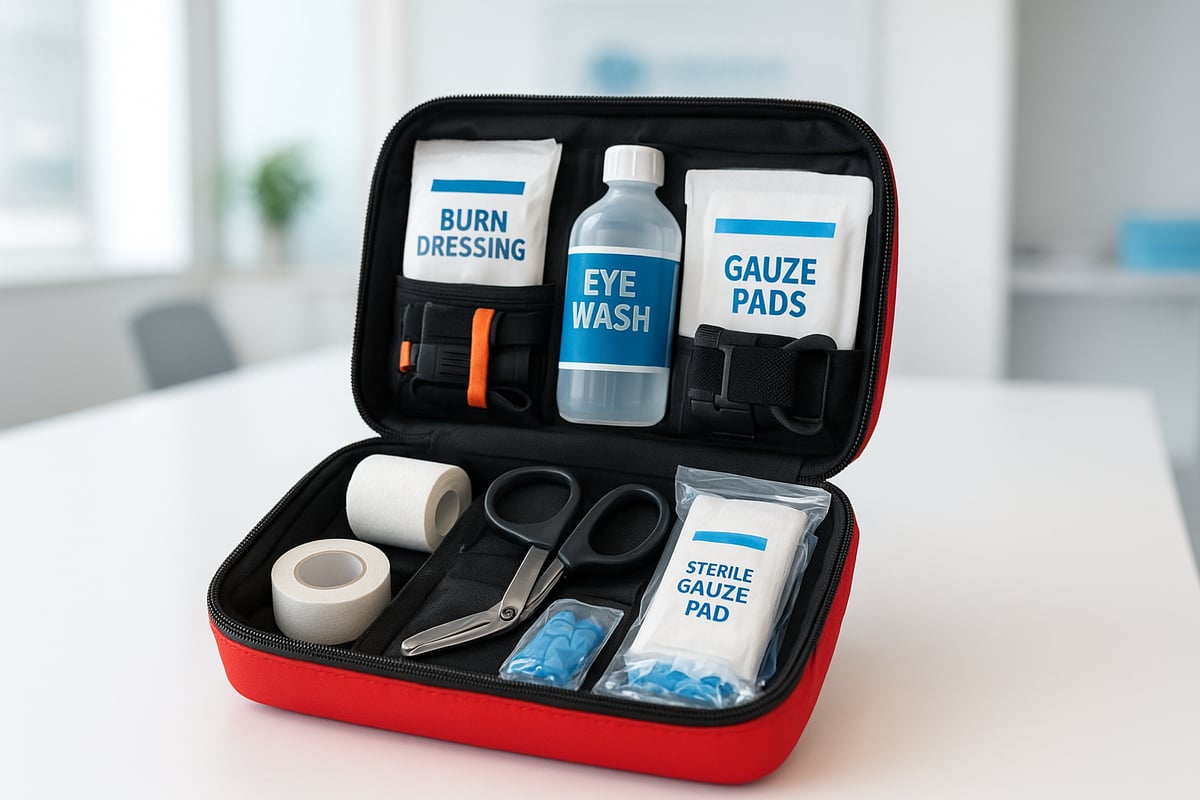
The contents of a compliant uline first aid kit have expanded for 2026. Mandatory items now include adhesive bandages, antiseptic wipes, gloves, CPR masks, and burn care supplies. New requirements call for bleeding control tools like tourniquets, eye wash solutions, and thermal blankets. OSHA recommends including tourniquets in high-risk areas such as manufacturing and warehousing. Use this checklist to ensure your kit is ready:
- Bandages and gauze
- Antiseptic wipes
- Exam gloves
- CPR mask
- Burn dressings
- Tourniquet
- Hemostatic gauze
- Eye wash
- Thermal blanket
Keeping these essentials current is critical for compliance.
Industry-Specific Kit Requirements
Not all workplaces have the same risks, so each uline first aid kit must be customized. Manufacturing plants, offices, schools, and public venues face unique hazards. For example, a manufacturing plant compliance review may reveal the need for extra trauma supplies and chemical burn treatments. OSHA’s top three most-cited violations related to first aid kits vary by industry, underscoring the need for tailored solutions. Customizing your kit to your environment ensures you meet regulatory demands and protect everyone on site.
Common Pitfalls in Meeting New Standards
Many organizations fall short by using outdated kits or missing key components. Poor kit placement and lack of staff training can also lead to non-compliance. These oversights increase the risk of fines, penalties, and compromised safety. Regularly reviewing and updating your uline first aid kit helps prevent these common mistakes and ensures you are always prepared.
Uline First Aid Kit Types and Their Essential Contents
Choosing the right uline first aid kit in 2026 means understanding the wide array of options available and the critical supplies each kit contains. Uline’s lineup is engineered for compliance, versatility, and rapid response, whether you are equipping a busy workplace, a vehicle, or your home.
Overview of Uline’s 2026 First Aid Kit Lineup
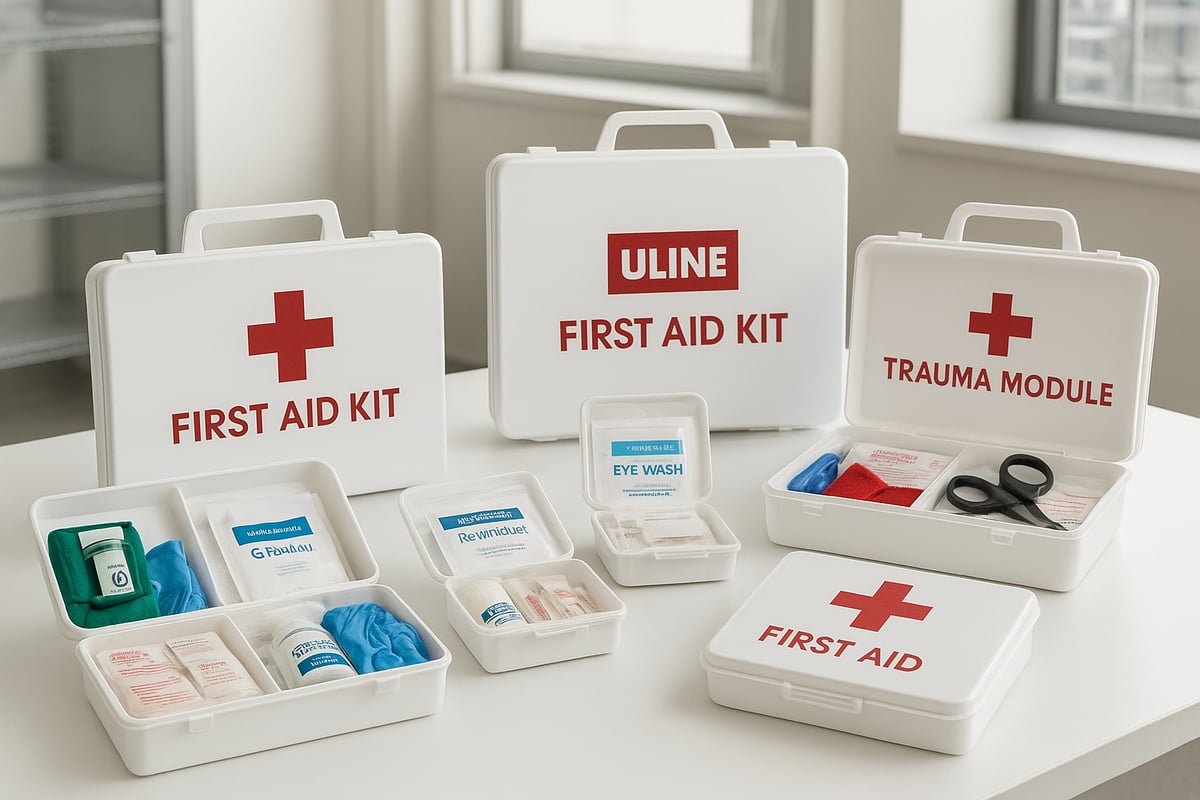
Uline’s 2026 collection covers every emergency scenario. The range includes basic kits for small offices, deluxe models for larger teams, rugged industrial kits for factories, and compact vehicle kits. Specialty versions address unique hazards in schools, kitchens, and public venues.
Each uline first aid kit is sized for its intended environment. Basic kits serve groups of 10, while industrial and deluxe versions support up to 100 people. Vehicle kits are designed for fleets, meeting DOT and OSHA standards. By offering diverse sizes and configurations, Uline ensures every setting is equipped to handle emergencies efficiently.
Key Contents in Uline First Aid Kits
Every uline first aid kit includes core items required for 2026 compliance. Standard supplies feature adhesive bandages, sterile gauze, antiseptic wipes, nitrile gloves, and medical tape. New upgrades for 2026 add tourniquets, trauma shears, burn dressings, and eye wash solutions.
For example, the Uline Deluxe First Aid Kit contains over 200 pieces, such as CPR masks, splints, and cold packs. Each item is selected to address common injuries and critical incidents. Uline’s commitment to comprehensive contents helps organizations stay prepared and meet evolving safety standards.
Specialty Add-Ons and Modular Components
To further enhance readiness, Uline offers modular components that expand the functionality of any uline first aid kit. Bleeding control modules include tourniquets and hemostatic gauze to address severe injuries. Burn care packs provide gels and dressings for thermal accidents, while eyewash stations target chemical exposures.
Customization options allow you to tailor kits for specific hazards. For example, facilities handling corrosives can add extra eye care supplies. These specialty modules ensure that your kit adapts to both regulatory requirements and unique workplace risks.
Comparing Uline Kits to Competitors
When evaluating first aid solutions, the uline first aid kit stands out for its durability, compliance, and refill convenience. Compared to brands like First Aid Only or Medique, Uline kits offer robust cases, clearer labeling, and greater market availability.
| Feature | Uline First Aid Kit | First Aid Only | Medique |
|---|---|---|---|
| Compliance (2026) | ✔️ | ✔️ | ✔️ |
| Tourniquet Included | ✔️ | Optional | Optional |
| Refill Pack Availability | ✔️ | ✔️ | Limited |
| Price Range | $$ | $-$$ | $-$$ |
| Customization | ✔️ | Limited | Limited |
Curious if assembling your own kit is better? See this Is It Cheaper to Build Your Own First Aid Kit guide for a direct comparison of pre-made versus DIY solutions.
How to Choose the Right Uline Kit for Your Needs
Selecting the best uline first aid kit starts with a hazard assessment. Consider the size of your team, the nature of your work, and specific risks. Offices may need basic kits, while warehouses require industrial-grade supplies and specialty modules.
For vehicle fleets, choose kits that meet DOT requirements and include road-specific items like reflective blankets. Schools should prioritize child-safe components and allergy treatments. Uline’s range and customization options make it easy to match a kit to your exact needs.
Refill and Replacement Policies
Maintaining a compliant uline first aid kit means regular inspections and timely restocking. Uline offers convenient refill packs to replace used or expired items. Their auto-restock program ensures your supplies never run low, helping you avoid compliance gaps.
Set a monthly or quarterly inspection schedule. Use Uline’s checklists to track inventory and expiration dates. This proactive approach saves money and reduces liability, keeping your facility prepared for any emergency.
Step-by-Step: Setting Up and Maintaining Your Uline First Aid Kit
Setting up your uline first aid kit is more than a compliance task, it is a critical part of your safety culture. Follow these essential steps to ensure your kit is ready for any emergency and remains fully compliant in 2026 and beyond.
Step 1: Assess Your Environment and Risks
Begin by evaluating the hazards in your workplace or home. Identify potential risks such as machinery, chemicals, or high-traffic areas. OSHA and ANSI recommend conducting a thorough hazard assessment before selecting a uline first aid kit.
Compare different settings. An office may require basic supplies, while a warehouse with heavy machinery needs trauma and burn care options. Review incident history and consult safety data sheets to determine specific risks.
Document your findings and keep them updated. This initial assessment forms the foundation for choosing the right kit and ensures your uline first aid kit meets regulatory standards for 2026.
Step 2: Select the Appropriate Uline Kit
Choosing the right uline first aid kit involves matching kit type to your unique hazards and number of people. Consider specialty modules for risks like chemicals or severe bleeding. For organizations with multiple locations or specialized needs, customization is key.
Review kit labels and certifications to confirm compliance with updated OSHA and ANSI requirements. If you need extra guidance, resources like the First Aid Box Online Purchase Guide can help you make an informed selection based on your environment and risk profile.
Remember to size your uline first aid kit to group size and risk level. Consult with safety professionals if needed to ensure your kit is neither understocked nor overbuilt.
Step 3: Proper Kit Placement and Accessibility
Once you have your uline first aid kit, place it in a visible and easily accessible location. Legal guidelines often require kits to be within a short distance from workstations and not locked away.
Create a placement checklist for each area. Ensure kits are mounted at eye level and marked with clear signage. In larger facilities, position multiple kits in high-traffic and high-risk zones.
Regularly audit kit placement to guarantee compliance and quick access. Employees should always know where to find the uline first aid kit in an emergency.
Step 4: Training Staff or Family on Kit Use
A uline first aid kit is only effective if people know how to use it. Schedule regular first aid training sessions for employees or family members. Training should cover kit contents, emergency procedures, and proper use of specialized items like tourniquets and burn dressings.
Uline provides training resources and recommends accredited first aid courses. Well-trained responders can dramatically increase survival rates and reduce the severity of injuries.
Make sure everyone is comfortable with the uline first aid kit's layout and contents. Practice using the kit in realistic scenarios to build confidence and readiness.
Step 5: Regular Inspection and Restocking
Set up a routine inspection schedule for your uline first aid kit. Most organizations perform monthly or quarterly checks, depending on usage and environment. Use a checklist to confirm all items are present, unexpired, and in good condition.
Maintain records of inspections and restocking for compliance purposes. Uline offers restock checklists and refill packs to streamline the process and keep your kit fully stocked.
Frequent inspections prevent shortages during emergencies and help avoid regulatory penalties. A well-maintained uline first aid kit is always ready when you need it most.
Step 6: Responding to Emergencies with Your Kit
During an emergency, quick access to your uline first aid kit can save lives. Keep calm, follow your training, and use the kit as intended. Assign a designated responder if possible, and ensure others know how to assist.
After any incident, review the response and replenish used supplies immediately. Conduct a brief post-incident analysis to identify improvement areas.
A properly set up and maintained uline first aid kit ensures your team or family is prepared for any situation, supporting both compliance and peace of mind.
Advanced First Aid Kit Features and Innovations for 2026
The landscape of emergency response is evolving rapidly, and the uline first aid kit lineup is leading the way with advanced features tailored for 2026. Today’s kits are more than collections of bandages—they are comprehensive solutions designed to address modern workplace and home hazards.
Enhanced Bleeding Control Solutions
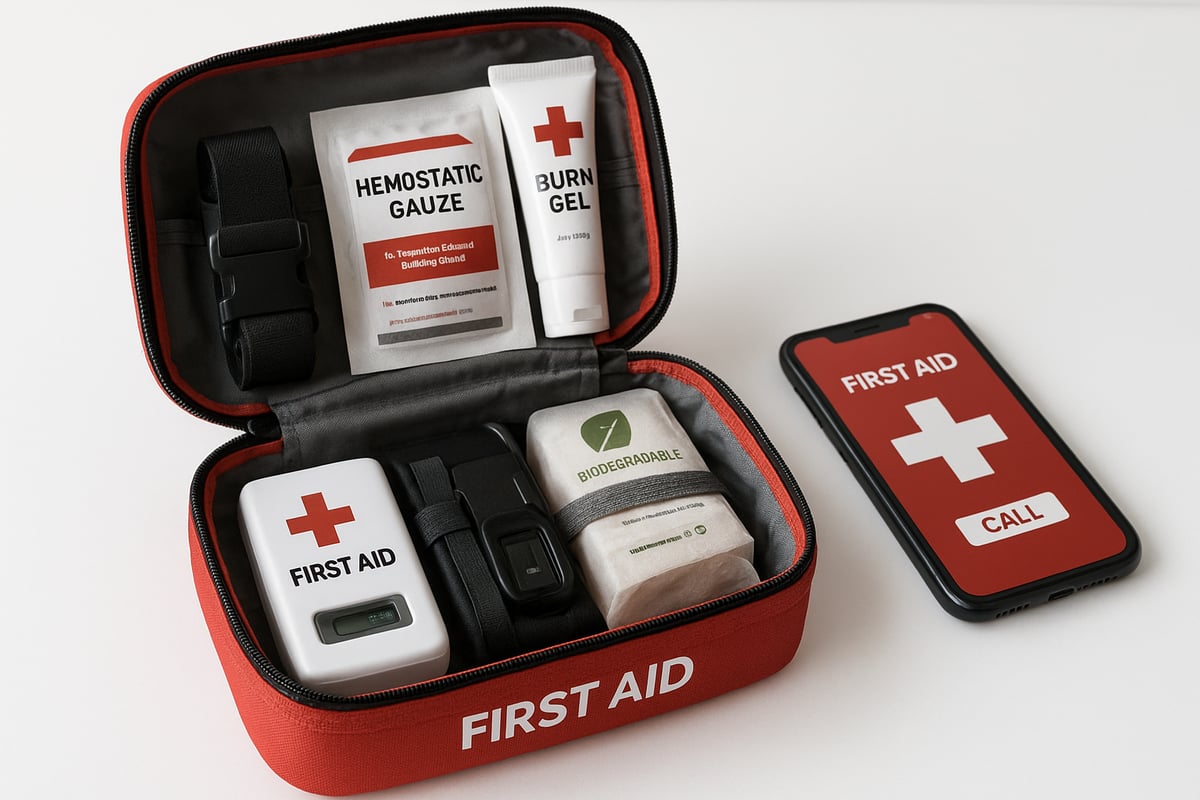
One of the most significant changes in the uline first aid kit for 2026 is the integration of advanced bleeding control tools. Severe bleeding is a leading cause of preventable death in emergencies. Uline’s updated kits now include tourniquets and hemostatic agents as standard, following the latest ANSI/ISEA guidelines. Statistics show that effective bleeding control can reduce preventable fatalities by 20 percent. The Uline Trauma Module, featuring these critical supplies, addresses high-risk environments where rapid response is vital. For a deeper understanding of why tourniquets are now essential, see this Tourniquet for First Aid Kits article. With these enhancements, every uline first aid kit is equipped to save lives in the most urgent scenarios.
Smart First Aid Kits and Digital Integration
Digital technology has transformed the way the uline first aid kit supports safety compliance and emergency readiness. In 2026, smart kits feature app-connected inventory tracking, ensuring supplies are always up to date. QR codes on kit components link users to real-time instructional videos, guiding them through critical procedures when seconds count. Uline’s digital support features streamline maintenance and training, empowering users with instant access to resources. This fusion of physical supplies and digital tools makes the uline first aid kit a cornerstone of modern safety programs.
Improved Burn and Eye Care Components
Workplace incidents involving burns and eye injuries require rapid, specialized care. The uline first aid kit now includes upgraded burn gels, sterile dressings, and advanced eyewash solutions. These enhancements ensure compliance with the latest chemical safety standards. For example, in industrial settings, immediate access to effective burn care has been shown to reduce treatment time and prevent complications. By providing these improved components, the uline first aid kit helps organizations respond more effectively to a wider range of emergencies.
Eco-Friendly and Sustainable Kit Options
Environmental responsibility is a growing priority in 2026, and the uline first aid kit reflects this trend. New models feature biodegradable bandages, recyclable packaging, and reduced plastic content. Uline’s green initiatives set their kits apart from traditional options, significantly cutting down on medical waste. A comparison of kit waste shows that sustainable uline first aid kit solutions help organizations meet both safety and environmental goals, making them a smart choice for forward-thinking businesses.
Customization and Branding Opportunities
Every organization faces unique risks, which is why the uline first aid kit offers extensive customization and branding options. Companies can select custom contents tailored to specific hazards or environments, from food processing plants to school campuses. Logo printing is available for corporate kits, boosting employee engagement and morale. These personalized features ensure that each uline first aid kit not only meets regulations but also aligns with company culture and operational needs.
Expert Tips for Maximizing First Aid Kit Effectiveness
A truly effective uline first aid kit is more than just a box on the wall. Strategic placement, ongoing training, regular checks, and support resources all play vital roles in maximizing safety and compliance. Below, discover expert guidance to ensure your uline first aid kit delivers optimal protection in any environment.
Kit Placement and Visibility Best Practices
Proper placement is essential for the effectiveness of any uline first aid kit. Kits should be installed in high-traffic and high-risk areas, such as near break rooms, warehouses, or entrances. Visibility is key: use clear signage and adequate lighting to mark kit locations.
Consider the following best practices:
- Place kits within easy reach for all staff
- Avoid locked or obstructed areas
- Post clear signs above and around each kit
Compliance is non-negotiable. Review OSHA First Aid Kit Regulations to ensure your placement strategy meets legal standards. Regular audits help guarantee every uline first aid kit remains accessible and ready for emergencies.
Training and Emergency Drills
A uline first aid kit is only as effective as the people using it. Schedule regular first aid and emergency response drills for all staff. Training empowers employees to respond quickly, boosting confidence and improving outcomes.
Types of drills to consider:
- Scenario-based response exercises
- Kit familiarization sessions
- Combined drills with AED and fire safety equipment
Data shows that teams who practice using their uline first aid kit feel more prepared and respond faster in real situations. Incorporate drills into your annual safety plan to reinforce readiness across your organization.
Monitoring Expiration Dates and Kit Integrity
Maintaining the integrity of your uline first aid kit requires vigilant monitoring of expiration dates and supply conditions. Items like medications, burn gels, and sterile dressings can lose effectiveness over time.
To stay compliant and safe:
- Track expiration dates with a log or digital solution
- Replace any damaged or outdated items immediately
- Inspect kits monthly or quarterly
Refer to official standards, such as the ANSI/ISEA Z308.1-2021, to ensure your uline first aid kit always meets current requirements. Proactive monitoring helps avoid fines and ensures your kit performs when needed.
Integrating First Aid Kits with Other Safety Equipment
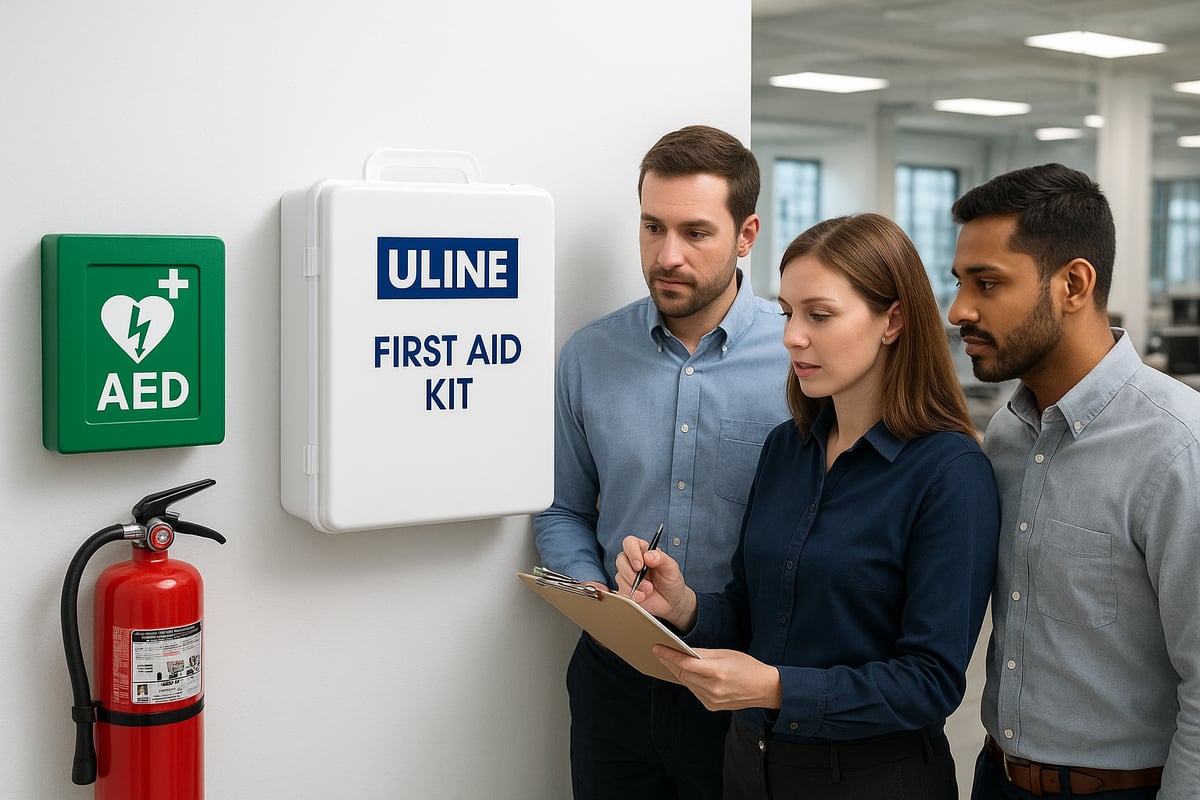
For a comprehensive safety approach, integrate your uline first aid kit with other emergency tools. Position kits alongside AEDs, fire extinguishers, and emergency signage to create centralized safety stations.
Components of a robust safety station:
- Uline first aid kit
- Automated External Defibrillator (AED)
- Fire extinguisher
- Emergency contact and procedure signage
This integration streamlines response during critical incidents, allowing staff to access all necessary tools quickly. A well-organized safety station can make a life-saving difference in high-stress situations.
Leveraging Uline Support and Resources
Take full advantage of Uline’s extensive support to maximize your uline first aid kit’s effectiveness. Uline offers expert customer service, online selection guides, and maintenance resources tailored to evolving safety standards.
Key support resources include:
- Step-by-step kit selection guides
- Restock checklists and auto-refill programs
- Access to webinars and compliance documentation
Engage with these resources to stay updated on best practices and regulatory changes. Uline’s ongoing support ensures your organization remains both compliant and prepared.
Frequently Asked Questions About Uline First Aid Kits
What makes Uline kits compliant with 2026 standards?
Uline first aid kit models are carefully designed to meet the evolving requirements set by OSHA and ANSI. Each kit contains the core supplies now mandated for 2026, including trauma care, burn treatment, and bleeding control solutions. Uline provides documentation and certification with each kit to demonstrate compliance, which is essential for workplace audits.
The compliance process includes regular updates to align with the latest ANSI/ISEA Z308.1-2021 Standard and any new regulatory changes. Detailed inventory lists and quality assurance checks ensure every Uline first aid kit is audit-ready for any inspection.
How often should I inspect and restock my kit?
Regular inspection is critical for keeping your Uline first aid kit effective and compliant. Industry best practices recommend checking kits at least once a month in high-risk environments or quarterly for lower-risk settings. Uline also suggests keeping a log for each inspection, noting expiration dates and used supplies.
Set reminders and use Uline’s restock checklists to streamline the process. This approach prevents missing items and helps you avoid compliance violations. Timely restocking ensures your Uline first aid kit is always ready for emergencies.
Can I customize a Uline kit for my business or organization?
Yes, Uline first aid kit options include extensive customization to match your unique workplace or organizational requirements. You can add specialty modules for hazards like chemical exposure or heavy machinery, and even select kit sizes based on your team’s headcount.
For example, a food processing plant may require extra burn care and eye wash supplies. Uline’s team guides you through the selection and customization process, ensuring your Uline first aid kit supports both compliance and real-world risks.
What support does Uline offer after purchase?
After you purchase a Uline first aid kit, you gain access to dedicated customer support, safety guides, and refill services. Uline provides documentation for compliance audits and helps with ongoing training resources for your staff. Their refill program simplifies maintaining kit readiness by offering auto-restock and easy online ordering.
If standards change, Uline notifies customers and offers upgrade options. This ongoing support ensures your Uline first aid kit remains up to date and fully effective, no matter how your needs evolve.

