
9 Essential Trauma Packs for Emergency Preparedness 2026
In 2023, over 400 natural disasters were reported worldwide, affecting millions and highlighting the urgent need for readiness. As emergencies become more frequent, personal and community preparedness will be vital in 2026. Immediate access to trauma packs can make the difference between life and death before professional responders arrive. This guide will walk you through the 9 essential trauma packs for emergency preparedness in 2026, comparing their features, pricing, and ideal use cases.
Why Trauma Packs Are Critical for Emergency Preparedness
The need for trauma packs has never been more apparent as disasters and emergencies escalate worldwide. Unlike traditional first aid kits, trauma packs are engineered to address life-threatening injuries, offering advanced supplies for rapid intervention when every second counts.
What Sets Trauma Packs Apart?
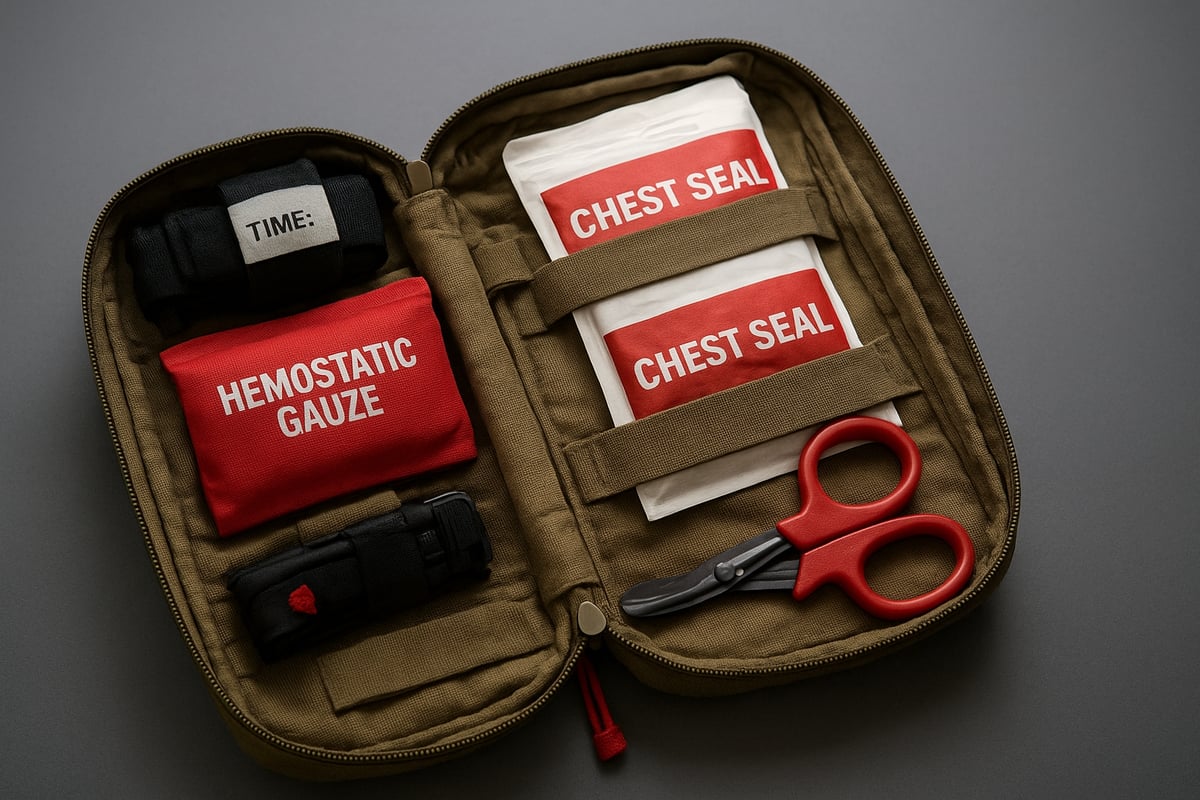
Trauma packs are designed for severe emergencies, going beyond standard first aid kits. While a basic kit might include bandages and antiseptics, trauma packs contain specialized items such as tourniquets, chest seals, and hemostatic agents. These tools enable users to manage major bleeding, airway compromise, and other critical injuries that can occur during mass casualty incidents, car accidents, industrial mishaps, or natural disasters.
Where Trauma Packs Make the Difference
The value of trauma packs becomes clear in high-stakes scenarios. According to the Red Cross and FEMA, incidents requiring advanced medical intervention are on the rise. From hurricanes and earthquakes to workplace accidents and active shooter events, trauma packs are being used more frequently to stabilize victims before emergency services arrive.
Consider the increase in billion-dollar weather disasters and mass casualty events in recent years. In these situations, bystanders and community members are often the first responders. Trauma packs give them the ability to control bleeding, manage airways, and keep victims alive until professionals take over.
The Golden Hour: The Critical Window for Survival
Medical experts refer to the first sixty minutes after a traumatic injury as the "golden hour." Rapid response during this window can mean the difference between life and death. Trauma packs are built for this urgency, supplying everything needed for bleeding control and airway management.
If you want to understand how trauma packs help stop severe bleeding, The Complete Guide to Bleeding Control breaks down the essential steps and tools every family should know.
Trauma Packs for All Environments
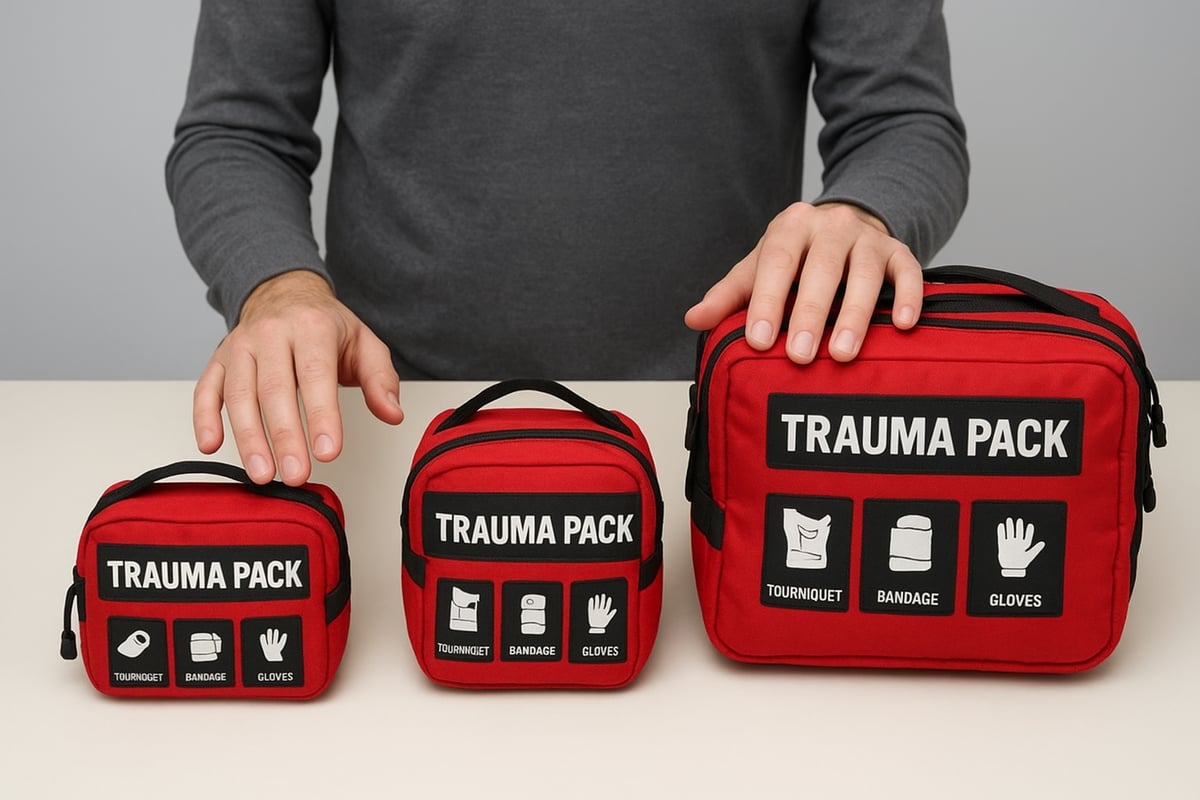
Trauma packs are not one-size-fits-all. Individuals, families, workplaces, and community groups each have unique needs. For example, a compact trauma pack may suit a solo hiker, while larger, more comprehensive kits are ideal for offices or schools. In 2026, regulatory bodies increasingly require workplaces to maintain trauma packs in addition to standard first aid supplies, recognizing their life-saving potential.
Real-World Impact and Innovation
There are countless stories of trauma packs saving lives in real emergencies. Whether it is a bystander applying a tourniquet after a car crash or a teacher using a trauma pack during a school incident, these kits have proven their value repeatedly.
Recent advancements have made trauma packs more portable, user-friendly, and tailored for specific risks. Modern packs often include color-coded compartments, clear instructions, and components selected for the threats most likely in 2026, ensuring readiness for any emergency.
9 Essential Trauma Packs for Emergency Preparedness 2026
Selecting the right trauma packs is crucial to effective emergency preparedness in 2026. With evolving risks and a surge in disaster events, the market now offers a range of specialized trauma packs tailored for different scenarios. Our list below examines nine essential trauma packs, highlighting their unique strengths, pricing, and best use cases.
We evaluated these trauma packs based on quality, comprehensiveness, portability, user-friendliness, and value. Whether you need trauma packs for your home, workplace, vehicle, or outdoor adventures, this guide will help you make an informed choice. For a broader comparison of trauma packs and expert recommendations, check out the Best Trauma Kits for 2025.
Medical Gear Outfitters Civilian Medical Trauma Kit
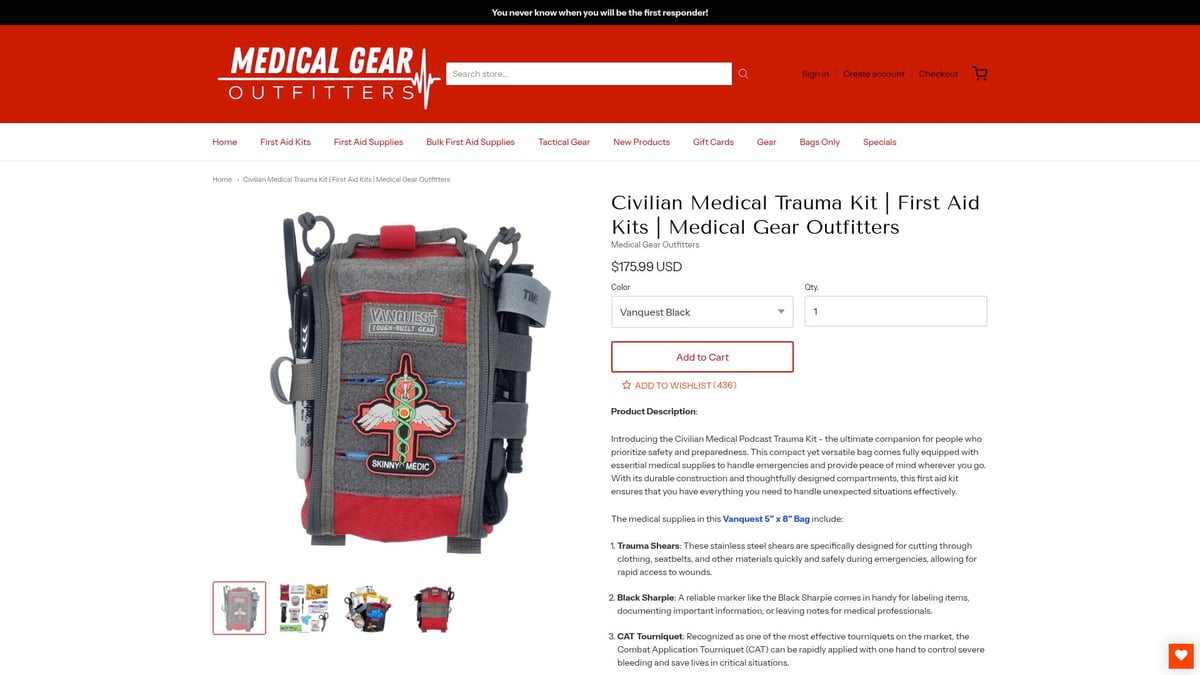
When it comes to trauma packs designed for civilians, the Civilian Medical Trauma Kit stands out. Priced from $175.99 USD, this trauma pack is curated by an experienced paramedic, ensuring only the most effective components are included.
Core Features:
- CAT tourniquet
- Trauma shears
- Chest seals
- Hemostatic gauze
- Pressure bandages
Key Benefits:
- FSA/HSA eligible for affordability
- Customizable to your needs
- High-quality, trusted brands
Target Audience: Prepared citizens, families, travelers, tactical users
Pros:
- Comprehensive and expertly curated
- Educational resources included
- Components from trusted brands
Cons:
- Higher initial investment compared to basic trauma packs
This trauma pack delivers peace of mind for those serious about emergency readiness. Trauma packs like this one are ideal for households and individuals who want advanced preparedness.
North American Rescue Individual Patrol Officer Kit (IPOK)
The IPOK is a compact trauma pack trusted by professionals. At around $54.99 USD, it brings military-grade reliability to everyday users who need trauma packs that are easy to carry.
Core Features:
- CAT tourniquet
- Compressed gauze
- Chest seal
- Gloves
Key Benefits:
- Ultra-compact, vacuum-sealed for durability
- Proven performance in the field
Target Audience: Law enforcement, security personnel, EDC users
Pros:
- Lightweight and portable
- Field-tested effectiveness
Cons:
- Limited supplies versus larger trauma packs
For those seeking trauma packs that balance portability and performance, the IPOK is a strong contender. Its vacuum-sealed package fits easily in a bag or glove compartment, making trauma packs accessible in critical moments.
MyMedic MyFAK Pro
The MyFAK Pro is a modular trauma pack designed for maximum organization. With a starting price of $249.95 USD, this trauma pack includes both trauma and first aid supplies for all-around preparedness.
Core Features:
- Modular, color-coded design
- Tourniquet and splints
- Burn care supplies
- Waterproof case
Key Benefits:
- Highly organized for quick access
- Easy to restock and customize
Target Audience: Families, outdoor adventurers, vehicle owners
Pros:
- Versatile and robust
- Comprehensive trauma packs for diverse scenarios
Cons:
- Bulkier than some alternatives
- Higher price point
Families and outdoor enthusiasts will appreciate trauma packs like the MyFAK Pro for their all-in-one approach and durable construction.
Adventure Medical Kits Trauma Pak Pro
For those who need lightweight trauma packs, the Trauma Pak Pro offers essential trauma supplies at just $32.99 USD. This trauma pack is designed for mobility, making it perfect for hikers or commuters.
Core Features:
- SWAT-T tourniquet
- QuikClot dressing
- Gloves
- Instructional booklet
Key Benefits:
- Lightweight and compact
- Affordable without sacrificing critical items
Target Audience: Hikers, travelers, commuters
Pros:
- Budget-friendly trauma packs
- Easy for non-professionals to use
Cons:
- Less comprehensive than larger trauma packs
This trauma pack is ideal for those who prioritize portability and price, ensuring trauma packs are always within reach during travel or daily commutes.
TacMed Solutions Trauma Kit NOW! (TKN)
The TKN is a tactical trauma pack designed for rapid deployment. Starting at $119.99 USD, this trauma pack is MOLLE-compatible and built for rugged use.
Core Features:
- Vacuum-sealed trauma supplies
- Tourniquet and hemostatic agent
- Chest seal
Key Benefits:
- Quick-access design for emergencies
- Military-grade durability
Target Audience: Tactical users, first responders, security teams
Pros:
- Rugged construction
- Fast deployment of trauma packs in high-stress scenarios
Cons:
- Tactical appearance may not suit all users
Security teams and first responders will find these trauma packs indispensable for rapid intervention in critical incidents.
Rescue Essentials Vehicle Trauma Kit
For drivers and fleet operators, the Vehicle Trauma Kit is engineered to address auto accident injuries. Priced around $99.99 USD, this trauma pack is compact and easy to store in any vehicle.
Core Features:
- Trauma dressings and tourniquet
- Airway adjuncts
- Gloves and shears
Key Benefits:
- Designed specifically for vehicle storage
- Easy-to-carry pouch
Target Audience: Drivers, fleet operators, families
Pros:
- Compact trauma packs for vehicles
- Tailored for auto accidents
Cons:
- Not as extensive as home-based trauma packs
Keeping trauma packs like this in your car ensures you are prepared for the unexpected on the road.
Surviveware Large First Aid & Trauma Kit
The Surviveware Large First Aid & Trauma Kit offers a blend of trauma and everyday first aid supplies. Starting at $129.95 USD, this trauma pack is well-organized and ideal for families or workplaces.
Core Features:
- Trauma and first aid supplies
- Labeled compartments
- Water-resistant case
Key Benefits:
- User-friendly design for fast access
- Durable for various environments
Target Audience: Households, workplaces, outdoor groups
Pros:
- Well-organized trauma packs
- Durable and water-resistant
Cons:
- Slightly heavy for extended backpacking
This trauma pack is a solid choice for those seeking trauma packs that cover a wide range of emergencies.
Dark Angel Medical D.A.R.K. Trauma Kit
The D.A.R.K. Trauma Kit is a minimalist trauma pack focused on lifesaving essentials. At $199.99 USD and up, this trauma pack is belt-mountable for rapid access.
Core Features:
- Tourniquet
- Hemostatic gauze
- Pressure bandage
- Chest seal
- Gloves
Key Benefits:
- Minimalist design for speed
- Proven effectiveness in real emergencies
Target Audience: EDC enthusiasts, professionals, tactical users
Pros:
- Compact and quick to deploy
- Designed for trauma care efficiency
Cons:
- Fewer extras, focused mainly on trauma
These trauma packs are ideal for those who want streamlined, effective trauma response without unnecessary bulk.
Everlit Emergency Trauma Kit
The Everlit Emergency Trauma Kit is an affordable entry point for trauma packs. Priced from $69.95 USD, this trauma pack covers the basics for bleeding control and trauma care.
Core Features:
- Tourniquet
- Israeli bandage
- Chest seal
- Trauma shears
- Gloves
Key Benefits:
- Accessible price point
- Includes essentials for immediate trauma care
Target Audience: General public, educators, workplaces
Pros:
- Budget-friendly trauma packs
- Good starter kit for basic emergencies
Cons:
- Not as robust as premium trauma packs
This trauma pack is perfect for those new to trauma packs or seeking a cost-effective solution for classrooms and offices.
How to Choose the Right Trauma Pack for Your Needs
Choosing the right trauma packs can make a critical difference in an emergency. With so many options available, your selection should be guided by your unique risks, environment, and the people you want to protect.
Assessing Your Risk Profile
Start by considering where and how you spend most of your time. Are you mostly at home with family, commuting, working in an office, or venturing outdoors? Each setting presents different hazards and influences which trauma packs will serve you best.
For example, outdoor enthusiasts may prioritize lightweight kits, while workplaces might need compliance with OSHA guidelines. Understanding your daily risks helps you match trauma packs to your lifestyle.
Key Selection Factors
When comparing trauma packs, look closely at size, weight, contents, and ease of use. Kits with comprehensive tools like tourniquets, hemostatic agents, and chest seals offer broader coverage for severe injuries.
Training requirements also matter; some trauma packs include advanced items that require proper instruction. Regulatory compliance is crucial in professional settings, especially for businesses and schools. Consider FSA/HSA eligibility to offset costs, making trauma packs more affordable for individuals and families.
Affordability and Maintenance
Balancing price and quality is essential. While budget trauma packs may cover basic needs, premium packs can offer more robust protection. Always check expiration dates on medical supplies, and set reminders for regular inventory checks.
Restocking used or expired items ensures your trauma packs are always ready. Families can benefit from resources like How to Build a Family First Aid Kit, which provides guidance on tailoring and maintaining kits for household needs.
Comparing Use Cases
The right trauma packs depend on your environment. For instance, a solo hiker benefits from compact, lightweight kits, while offices require larger packs to support multiple people. According to CDC and OSHA, workplace injuries and home accidents are among the most common trauma incidents.
Community preparedness guidelines, such as those from Personal Preparedness – Office of Emergency Management, recommend keeping trauma packs accessible in high-risk locations. Assess your needs, compare options, and select trauma packs that provide peace of mind for every situation.
Essential Training and Maintenance for Trauma Pack Effectiveness
Proper training and maintenance are the foundation of effective trauma packs. Even the most advanced kit is only as valuable as the user's ability to deploy it quickly and correctly. In an emergency, seconds count, and knowing how to use trauma packs can mean the difference between life and death.
Why Training for Trauma Packs Matters
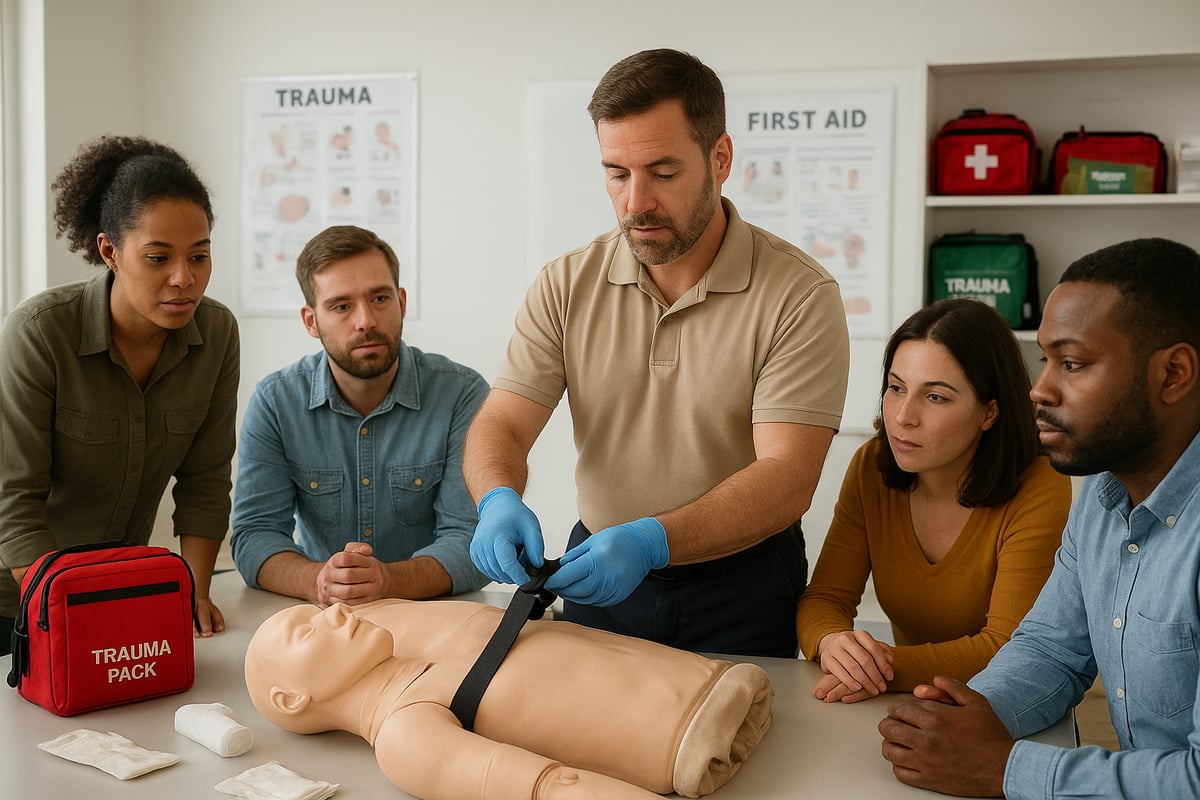
Training is essential for anyone who owns trauma packs. It covers critical skills such as rapid bleeding control, airway management, and using key components like tourniquets and trauma dressings. According to experts, hands-on practice builds confidence, reduces hesitation, and leads to better outcomes in high-stress situations.
For those new to trauma packs, understanding the difference between a tourniquet and a trauma dressing is vital. This Tourniquet vs Trauma Dressing resource explains how each component functions and when to use them during emergencies. Comprehensive training ensures users can act decisively, whether at home, outdoors, or in the workplace.
Where to Access Trauma Pack Training
Accessing quality training is simpler than ever in 2026. Many organizations offer online courses covering trauma pack basics and advanced techniques. Local community centers, fire departments, and medical supply companies frequently host in-person classes, providing hands-on experience.
Several trauma pack manufacturers also include instructional videos and printed guides with their kits. These resources help reinforce skills and ensure users are prepared when every second matters.
Maintenance and Inventory Best Practices
Regular maintenance is crucial for keeping trauma packs ready. Owners should create a schedule for inventory checks, focusing on expiration dates for items like hemostatic agents and medications. Replace used or expired supplies promptly to maintain kit effectiveness.
Store trauma packs in a visible, accessible location, and ensure all users know where they are kept. Consider labeling restock dates on the kit and using checklists to track contents. Proper maintenance helps trauma packs remain reliable in any emergency.
Real-World Impact and Ongoing Education
Real-life emergencies highlight the importance of training and maintenance. In recent incidents, individuals with trauma packs and up-to-date training have saved lives before EMS arrived. Ongoing education is key: regularly refresh skills, review new guidelines, and participate in drills.
Educational platforms and community events encourage continuous learning. By staying informed and practiced, trauma pack owners maximize their readiness and ability to help others in critical moments.

