Small IFAK Guide: Essential Tips for Compact First Aid 2026
Imagine facing a sudden emergency, heart racing, and precious seconds slipping away. Would you know exactly what to grab from your small ifak to handle the situation?
This guide equips you with expert advice and practical steps to build a small ifak that is lightweight, effective, and ready for real-world emergencies in 2026.
You will discover what defines a small ifak, how to select the right components, ways to organize your kit, a step-by-step assembly process, and essential tips for maintenance and confident use.
Take action now to boost your preparedness, protect those you care about, and be ready when every second counts.
Understanding Small IFAKs: Purpose and Evolution
A small ifak, or Individual First Aid Kit, is designed for personal use when every second matters. Unlike bulky traditional first aid kits, a small ifak is compact, lightweight, and streamlined for quick access in emergencies. Whether you are a commuter, hiker, or security professional, this kit is tailored for situations where space and speed are critical.
What is a Small IFAK?
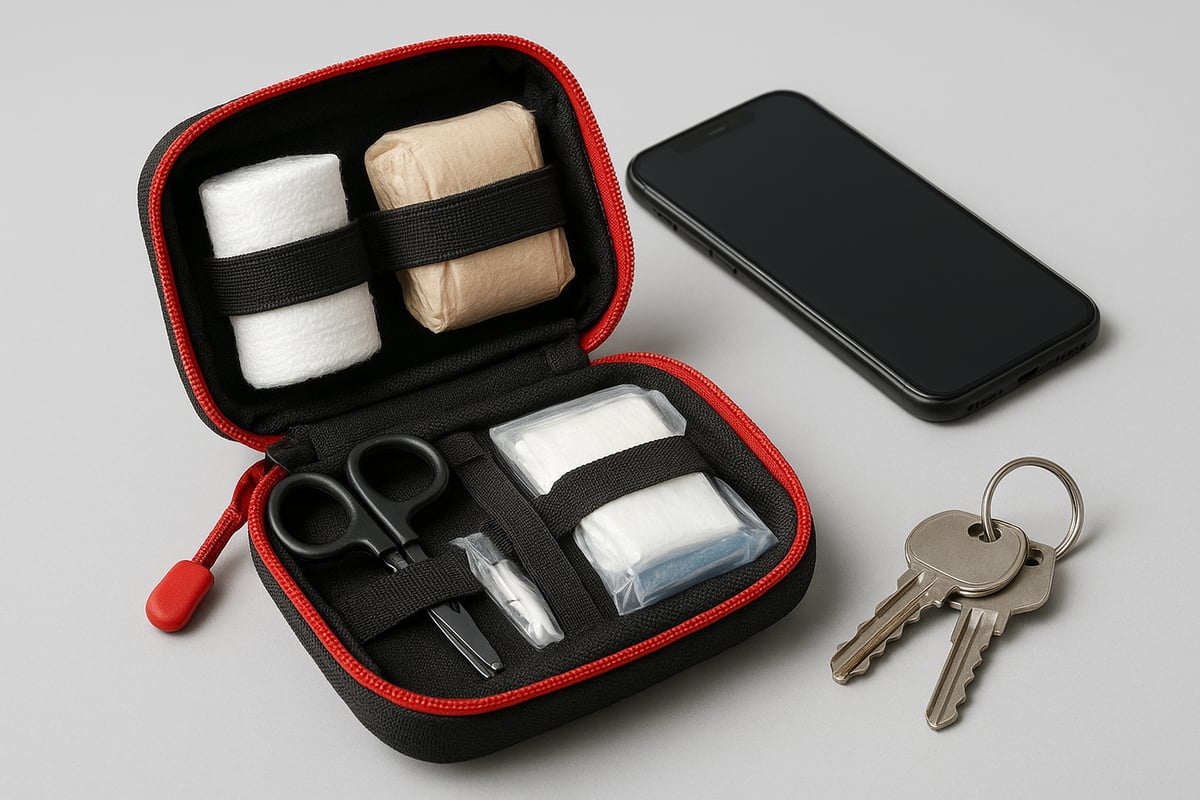
A small ifak is built for portability and rapid deployment. It typically includes essential trauma tools, wound care supplies, and basic medications, all in a pouch that fits on a belt, backpack, or vest. The goal is to have critical first aid items within reach, even in confined or unpredictable environments.
The rise of compact kits has transformed preparedness for civilians, travelers, and outdoor enthusiasts. For a detailed overview of required components and how to select them, see this Compact first aid kit essentials guide.
Evolution from Military to Civilian Use
The small ifak concept originated in military settings, where soldiers needed immediate access to life-saving supplies. Over time, the design and philosophy migrated to civilian use. Now, first responders, teachers, and everyday people rely on small ifaks for daily carry and specialized tasks.
Civilians value these kits for their adaptability. Whether responding to a car accident or managing a minor injury while hiking, a small ifak bridges the gap between professional medical help and the first moments of an emergency.
Standard vs. Compact IFAKs
Comparing a standard IFAK to a small ifak reveals key differences in size, weight, and intended use. Standard IFAKs often contain bulkier items and are suited for extended emergencies or group care. In contrast, a small ifak focuses on the essentials, prioritizing speed and minimalism.
| Feature | Standard IFAK | Small IFAK |
|---|---|---|
| Size | Larger, multi-pocket | Compact, single pouch |
| Weight | 1-2 kg | 200-500 g |
| Intended Scenarios | Prolonged, multi-casualty | EDC, solo, rapid response |
| Portability | Limited | High |
This difference ensures a small ifak is ready for urban, outdoor, or travel situations where every ounce and second counts.
Portability, Accessibility, and Real-World Impact
In today’s fast-paced world, portability and accessibility are more important than ever. A small ifak can be carried daily without hassle, making it ideal for unpredictable emergencies.
Consider these scenarios:
- A hiker suffers a deep cut on a remote trail. Their small ifak allows immediate bleeding control.
- A driver witnesses a car accident and provides aid before EMS arrives, using their small ifak.
- In a workplace incident, a compact kit ensures rapid response to injuries while waiting for professional help.
These real-world examples highlight how having a small ifak readily available can make the difference between minor inconvenience and life-threatening delay.
Market Demand, Legal Considerations, and Technology
Demand for the small ifak continues to rise. Recent industry reports show a sharp increase in civilian and professional adoption, with compact trauma kits becoming standard for EDC and outdoor activities.
Legal considerations vary by region. In some areas, carrying certain medical supplies like tourniquets or prescription medications may require documentation. Always check local laws before assembling your small ifak.
Advanced materials and technology are shaping the future of the small ifak. Modern pouches use weatherproof fabrics, reinforced seams, and intuitive layouts. Some new kits even incorporate smart features, such as RFID tracking or inventory alerts, to ensure supplies are always up to date.
In 2026, the small ifak is not just a kit—it’s a personalized emergency solution that adapts to evolving risks and lifestyles.
Essential Components of a Compact First Aid Kit
Choosing the right contents for a small ifak is critical for effective emergency response. Each component must earn its place by maximizing functionality without adding unnecessary weight or bulk. Let’s break down the essentials every compact kit should include.
Trauma Management Essentials
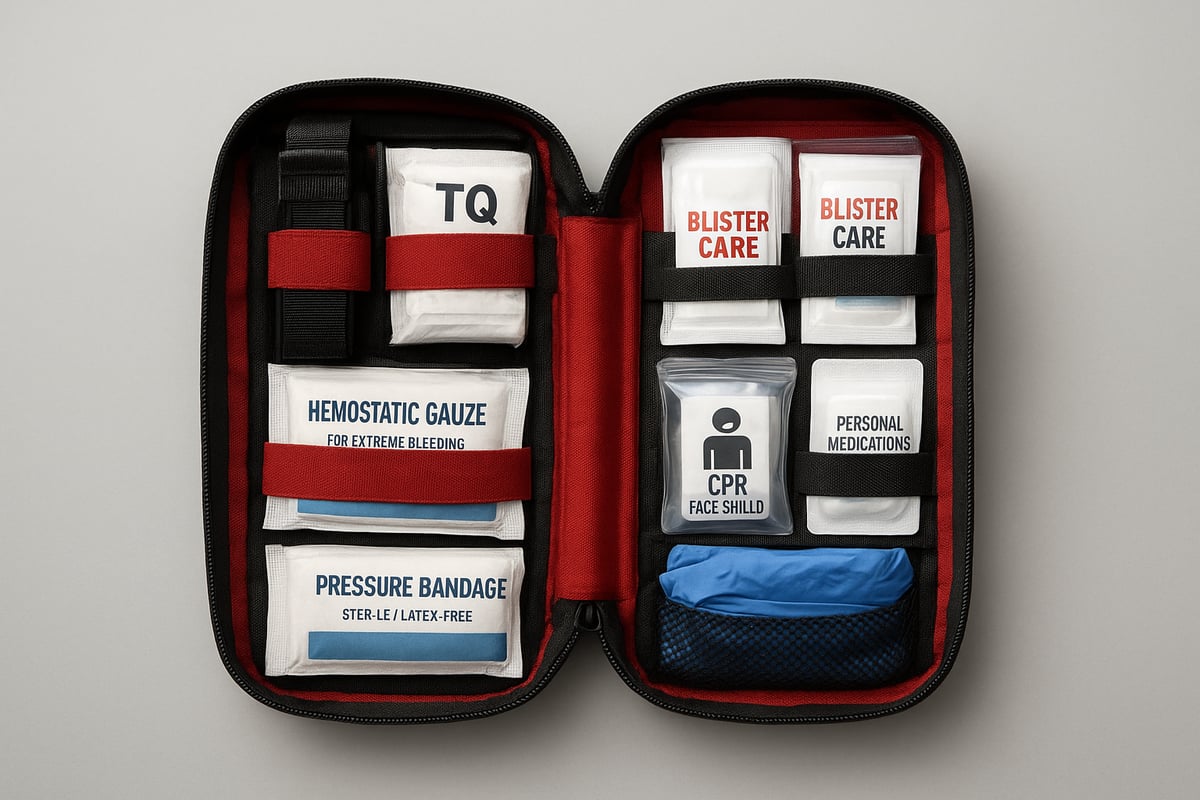
In any small ifak, trauma supplies are non-negotiable. The goal is to control severe bleeding and stabilize life-threatening injuries quickly. A top-tier tourniquet, such as the CAT or SOFTT-W, is vital due to its proven effectiveness and rapid deployment. Hemostatic gauze, designed for compact storage, helps manage deep wounds and accelerates clotting.
Pressure bandages are next, providing robust wound compression while conserving space. Many modern pressure bandages are vacuum-sealed, making them an ideal fit for the small ifak format. Competitor kits consistently rank these tools as core items, recognizing their lifesaving potential.
Consider a scenario where a hiker suffers a deep cut far from help. With a small ifak containing these trauma essentials, rapid action can stop bleeding and buy precious time. Always place trauma gear in the most accessible part of your kit for immediate reach.
Wound Care and Minor Injuries
A well-stocked small ifak also addresses everyday injuries. Adhesive bandages and sterile dressings are must-haves for cuts and scrapes, while compact wound closure strips can manage small lacerations. Single-use antiseptic wipes and ointment packets help prevent infection without taking up excess room.
Blister care pads and burn gel are crucial for outdoor enthusiasts, providing quick relief and protection. Compact tweezers and trauma shears serve multiple functions, from removing splinters to cutting clothing.
Many must-have outdoor IFAK gear lists recommend multi-use items to maximize the utility of a small ifak. By focusing on versatile, space-saving solutions, your kit remains lightweight and ready for daily mishaps or more serious incidents.
Airway, Breathing & Circulation Support
Supporting airway and breathing is an essential function of every small ifak. A CPR face shield, packaged flat, provides a barrier during resuscitation and fits easily into compact pouches. Nitrile gloves are critical for infection control and should be packed in pairs for redundancy.
A mini emergency blanket helps prevent shock by preserving body heat after blood loss or exposure. When space allows, a nasopharyngeal airway can be included for advanced airway management, especially in tactical or remote environments.
Many MOLLE-compatible pouches feature dedicated glove holders and quick-access compartments, allowing you to retrieve these items under stress. Always review the layout of your small ifak to ensure airway and breathing support tools are easy to locate and deploy.
Medications and Personal Items
Personalization is key when building a small ifak. Single-dose packets of pain relievers, antihistamines, or critical prescription medications cover a range of emergencies. For outdoor kits, water purification tablets are a compact safeguard against dehydration and illness.
Adding an emergency contact card and a medical info slip ensures first responders have vital information if you are unable to communicate. Customizable pouches enable you to tailor the small ifak to your unique health needs.
Stay mindful of expiration dates and restock regularly. A well-prepared small ifak balances essential medications with personal documentation, increasing your safety and peace of mind on every adventure.
Choosing the Right Small IFAK Pouch: Features & Selection Tips
Selecting the ideal small ifak pouch is just as critical as the medical supplies inside. A thoughtfully chosen pouch ensures your lifesaving tools are always accessible, organized, and protected from the elements. In 2026, the variety of pouch designs and features allows you to tailor your kit for any scenario.

Key Features: MOLLE Compatibility and Quick-Access Design
A small ifak should prioritize modularity and swift deployment. Look for pouches with MOLLE compatibility, which let you attach the kit securely to belts, vests, or packs. Quick-access pull tabs enable one-handed opening, crucial during high-stress emergencies. Waterproof zippers and materials protect contents from rain, mud, and dust. Some models, like the SABADO 2-in-1, include dedicated holders for tourniquets, further speeding up response time.
Table: Essential Features Comparison
| Feature | Benefit | Notes |
|---|---|---|
| MOLLE Compatibility | Secure, modular attachment | Fits belts, vests |
| Quick-Access Pull Tabs | Fast, one-handed opening | Reduces response time |
| Waterproofing | Protects contents | Important outdoors |
| Reinforced Seams | Increases durability | Withstands rough use |
Material Durability: Laminated Nylon and Reinforced Construction
When choosing your small ifak pouch, focus on durability. Laminated nylon and Cordura are industry standards for their resistance to abrasion, punctures, and moisture. Reinforced seams and double stitching add strength, ensuring your kit withstands daily wear or harsh field conditions. Weatherproof coatings and sealed zippers further safeguard the contents, providing peace of mind whether you are commuting, hiking, or working security.
Some advanced pouches now feature antimicrobial linings that help reduce contamination risk. Always check for reputable brands and examine user feedback on material longevity.
Size, Weight, and Organization for Every Scenario
The right small ifak balances capacity and portability. Everyday carry (EDC) kits should be slim and lightweight, fitting unobtrusively on your belt or in a bag. Tactical or outdoor kits may be larger to accommodate advanced trauma gear. Internal elastic loops, mesh pockets, and modular inserts keep supplies organized and prevent shifting during movement.
Use clear labeling or color-coded sections to identify items quickly. Practice packing and repacking your kit to optimize space and ensure nothing essential is left out.
Accessibility, User Reviews, and Real-World Examples
Accessibility is a top priority for any small ifak. One-handed opening, glove-friendly zippers, and visible pull tabs make a difference during emergencies. User reviews consistently highlight the value of secure attachment points and quick-access features. For example, some pouches integrate dedicated glove holders or clear windows for ID cards.
Real-world feedback points out that overly large or cluttered pouches can hinder rapid deployment. Choose a pouch size that matches your risk profile without sacrificing speed or comfort.
Balancing Minimalism with Readiness: What to Leave In or Out
Building an effective small ifak means balancing minimalism with comprehensive care. Prioritize trauma essentials—tourniquet, hemostatic gauze, gloves—while avoiding unnecessary bulk. Leave out duplicate items and non-critical gear. Regularly assess your kit to match changing needs or environments.
For more expert guidance on tailoring your pouch to specific situations, consult Planning Your IFAK. Remember, the best small ifak is one you can carry comfortably, access quickly, and trust in any emergency.
Step-by-Step Guide: Assembling Your Small IFAK
Building a reliable small ifak is not just about gathering supplies—it is about tailoring your kit to your unique needs and ensuring everything is ready for action. By following these five essential steps, you will create a compact, effective, and accessible first aid kit for 2026.
Step 1: Define Your Use Case and Risk Profile
Start by considering where and how you plan to use your small ifak. Are you preparing for urban emergencies, wilderness adventures, or tactical scenarios? Think about your daily activities, travel habits, and any environments that pose higher risks.
Assess your personal medical needs as well. Do you have allergies, chronic conditions, or specific medications to carry? Tailoring your small ifak ensures you are ready for the most likely situations, whether you are hiking remote trails, commuting to work, or working in security.
Step 2: Select and Source Quality Components
Once you have identified your needs, focus on sourcing trustworthy components for your small ifak. Choose trauma supplies and tools from reputable brands, prioritizing items that meet FDA standards or have military-grade approval when possible.
Always check expiration dates and be vigilant about counterfeit products. For a detailed breakdown of assembly and common mistakes, consult this Individual First Aid Kit guide. Quality matters—your kit is only as effective as the items you include.
Step 3: Organize for Speed and Accessibility
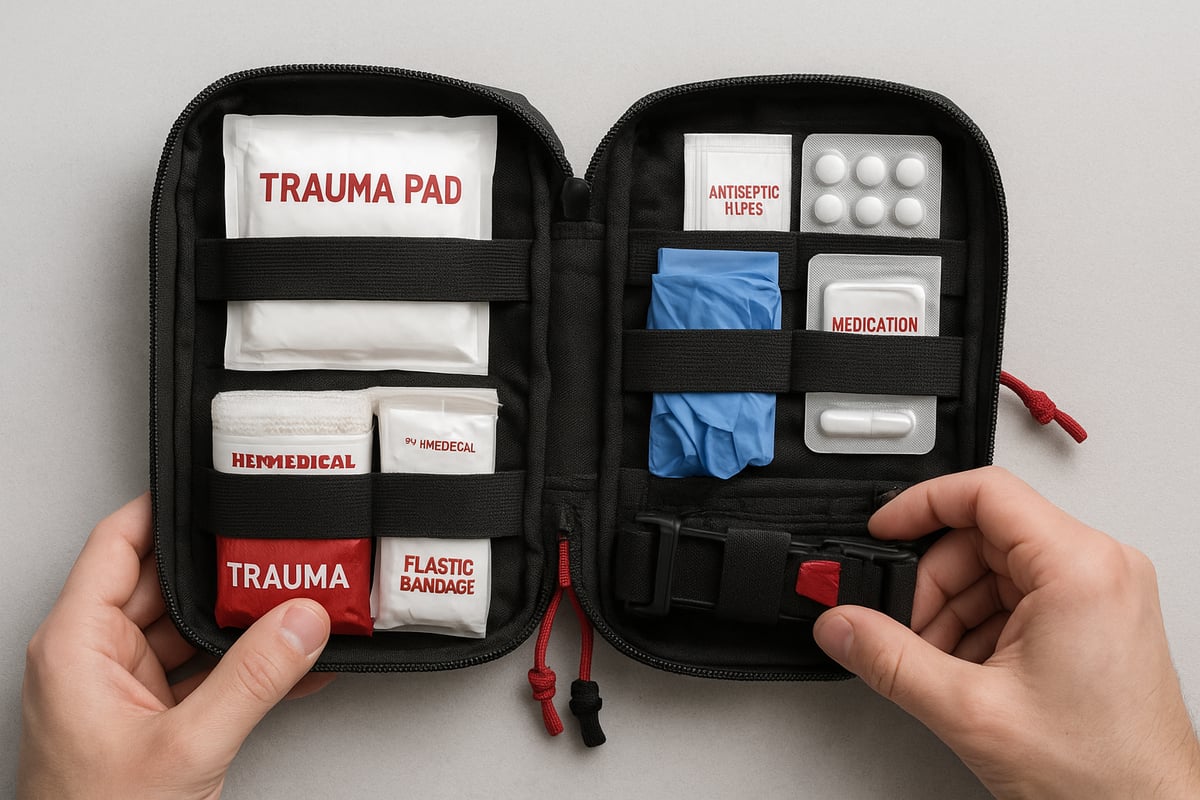
The way you arrange your small ifak can make a critical difference in an emergency. Place trauma management items like a tourniquet or hemostatic gauze at the top for immediate access. Use elastic loops, mesh pockets, or clear pouches to keep supplies visible and within easy reach.
Practice opening and deploying your kit under stress. Familiarity with your kit’s layout ensures you do not waste precious seconds searching for vital tools. Organize supplies by priority, with minor wound care items stored below life-saving equipment.
Step 4: Secure and Test Your Kit
After assembling your small ifak, attach it securely to your belt, vest, or backpack using sturdy MOLLE straps or belt clips. Inspect all attachment points for durability to ensure the kit stays in place during movement.
Simulate rapid deployment scenarios. Try accessing your kit with one hand or while wearing gloves. Testing your kit in realistic conditions will reveal any weaknesses and help you make necessary adjustments before a real emergency.
Step 5: Customize and Document Your Kit
Personalize your small ifak by adding single-dose medications, allergy information, and an emergency contact card. Keep an up-to-date inventory list so you can quickly restock used or expired items.
Take photos of your kit layout for reference and training. This makes restocking and familiarization much easier, especially if you update your small ifak over time or share it with others. Proper documentation ensures your kit remains effective and tailored to your evolving needs.
Pro Tips for Maintenance, Training, and Real-World Use
Maintaining your small ifak is just as crucial as assembling it. A well-kept kit ensures you are always ready for emergencies, whether at home, work, or outdoors. Proactive care turns your small ifak from a simple collection of supplies into a reliable, life-saving tool.
Regular Inspection and Replacement
Check your small ifak monthly or quarterly to ensure every item is intact, sterile, and within its expiration date. Replace anything that looks damaged or used, and update personal medications as needed. A simple table can help track expiration dates and restocking needs:
| Item | Expiration Date | Last Checked | Notes |
|---|---|---|---|
| Tourniquet | 2028-03 | 2026-05 | Good condition |
| Hemostatic Gauze | 2027-11 | 2026-05 | Restock soon |
| Pain Relievers | 2026-12 | 2026-05 |
Staying organized ensures your small ifak is always ready for real-world use.
Cleanliness and Contamination Prevention
Clean your small ifak pouch and tools regularly. Wipe down trauma shears, tweezers, and surfaces with disinfectant after every use or inspection. This prevents cross-contamination and keeps your supplies safe for emergencies. If your kit is exposed to dirt or moisture, clean it immediately and replace any affected items.
Skills Practice and Training
Familiarity with your small ifak is vital during high-pressure situations. Schedule regular drills to practice applying a tourniquet, packing wounds, and donning gloves quickly. For more detailed insights, review these tourniquet facts and usage tips to strengthen your trauma response skills. Training under realistic conditions helps build confidence and muscle memory.
Staying Updated and Routine Checks
Stay informed about the latest first aid protocols and advancements in kit supplies for 2026. Incorporate small ifak checks into your weekly or monthly routine for consistent readiness. Use resources like the FirstAidQA: Emergency response dataset to enhance your emergency response knowledge and practice scenario-based skills.
Real-World Application and Ongoing Learning
Regular training pays off. Studies show that individuals trained with accessible kits like a small ifak respond up to 60% faster during emergencies. Consider joining local first aid or Stop the Bleed workshops to gain hands-on experience and stay sharp. Real-world stories consistently highlight the lifesaving impact of practice and preparedness, reinforcing why ongoing maintenance and skill-building matter.
Compact IFAK Innovations and Trends for 2026
In 2026, the world of the small ifak is evolving rapidly, driven by technology, materials science, and changing safety needs. Today’s compact kits are smarter, lighter, and more customizable than ever, reflecting a shift in how we approach personal emergency preparedness.
Smart Technology and AI Integration
One of the most exciting innovations is the emergence of smart pouches equipped with RFID tracking and inventory alerts. These features help users monitor supply levels and expiration dates, ensuring their small ifak is always ready. Some pouches now sync with health apps or wearable tech, providing real-time access to medical data and reminders.
The integration of artificial intelligence is also advancing. For example, devices like the KIRETT: AI-enhanced first aid device are changing the landscape by using AI to guide users through first aid procedures during emergencies. This technology can be a game changer, especially for those with limited medical training, making a small ifak even more effective in critical moments.
Ultralight, Modular, and Sustainable Materials
Material science is pushing boundaries, with manufacturers prioritizing ultralight fabrics, reinforced seams, and modular inserts. These upgrades allow users to tailor their small ifak to specific needs while keeping weight and bulk to a minimum. Weatherproof zippers, reflective accents, and MOLLE compatibility are becoming standard, enhancing accessibility and visibility.
Sustainability is also gaining traction. Eco-friendly packaging and biodegradable supplies are now available, appealing to environmentally conscious consumers. The small ifak of 2026 not only saves lives but also supports a greener planet.
Feature Comparison Table
| Innovation | Benefit | Example Use Case |
|---|---|---|
| RFID Tracking | Real-time inventory management | Quick restocking |
| Modular Inserts | Customizable kit layout | Outdoor or travel kits |
| Reflective Zippers | Enhanced night visibility | Low-light emergencies |
| Eco-friendly Packaging | Reduced environmental impact | Sustainable workplaces |
Industry Trends and Market Growth
Demand for the small ifak is surging across civilian, workplace, and educational settings. Recent regulatory updates now encourage or require compact trauma kits in offices and schools. This shift reflects a broader recognition of the importance of personal preparedness.
According to industry forecasts, the compact first aid kit market is expected to grow by 20 percent annually through 2026. More families, professionals, and organizations are adopting the small ifak as a standard safety tool, driving innovation and accessibility.
Future-Proofing Your Kit
To keep your small ifak ahead of the curve, stay informed about new materials, smart features, and regulatory changes. Regularly review your kit, explore upgrades, and consider integrating wearable tech or AI guidance. By doing so, you will be prepared for tomorrow’s emergencies, whatever they may be.

