Skinnymedic Guide: Essential Tips for Medical Preparedness 2026
Emergencies can happen at any moment, leaving little time to react. Are you confident in your ability to take charge and help when it matters most?
The skinnymedic guide equips you with critical, up-to-date tips for medical preparedness in 2026. This resource empowers you to respond with skill and confidence during unexpected crises.
Inside, you will find a clear, step-by-step roadmap for building your medical knowledge, choosing the right gear, and staying ready for any emergency. Learn essential skills, discover must-have supplies, and prepare for the challenges of tomorrow.
Are you ready to take the first steps toward true preparedness? Your journey starts now.
Understanding Medical Preparedness: Why It Matters in 2026
Emergencies can strike at any moment, and the world in 2026 is more unpredictable than ever. Medical preparedness is no longer a niche concern, but a vital skill set every person should develop. The skinnymedic approach emphasizes readiness for any scenario, empowering you to act swiftly when professional help is delayed or unavailable.
The Evolving Landscape of Medical Preparedness
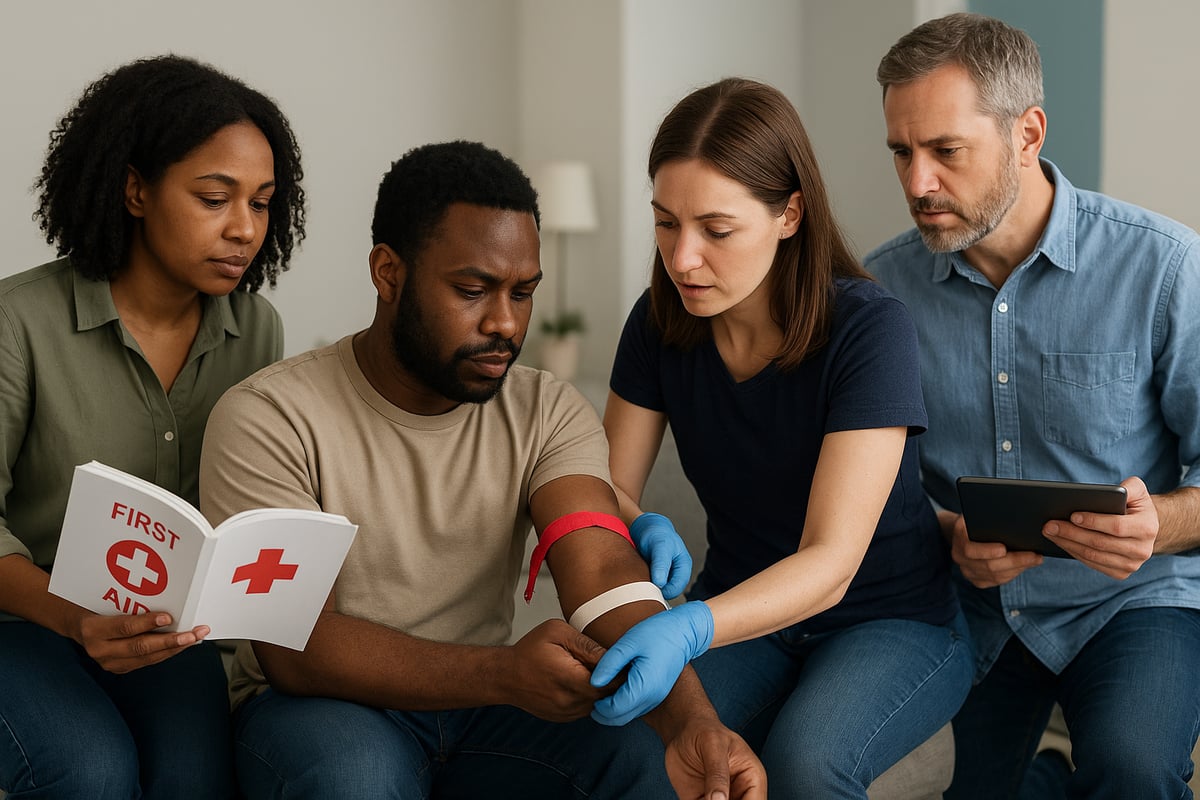
Over the past decade, the importance of being prepared has grown in response to global events. Pandemics, devastating wildfires, hurricanes, and civil unrest have all shown that emergencies can overwhelm traditional response systems. According to CDC and FEMA data, the number of incidents where civilians serve as first responders is on the rise. For instance, recent Civilian Injuries in Law Enforcement Encounters show that bystander intervention can be the difference between life and death before EMS arrives. The skinnymedic philosophy recognizes that every second counts, and ordinary people often step into critical roles.
Civilians as First Responders
The time between an emergency and the arrival of professional help can be crucial. In many cases, the first person on the scene is not a trained paramedic, but a family member, coworker, or passerby. The skinnymedic mindset encourages individuals to learn essential skills, so they can bridge this gap and provide immediate care. Whether it is controlling severe bleeding, performing CPR, or stabilizing a fracture, your actions can save lives. This shift transforms medical preparedness from an optional hobby into a mainstream necessity.
Risks of Complacency
Being unprepared poses significant risks, including delayed care, preventable fatalities, and heightened anxiety during crises. The skinnymedic guide stresses that waiting for help is not always an option. Simple interventions, performed quickly, can dramatically improve outcomes. As more people recognize these risks, the stigma around “prepping” is fading, replaced by a culture of collective responsibility and empowerment.
Technology and Knowledge Sharing
Access to medical knowledge has been revolutionized by technology. Social media, online videos, and mobile apps have made high-quality training widely available. The skinnymedic community leverages these resources to ensure that anyone, regardless of background, can learn to respond effectively. Virtual simulations and crowdsourced tools help people practice skills and stay up to date on best practices.
Real-World Impact
There are countless stories where bystanders, trained through skinnymedic principles, have saved lives before professionals arrived. For example, the rapid use of a tourniquet in an accident, or calm airway management during a public event, has often meant the difference between recovery and tragedy. These real-life interventions highlight the importance of medical preparedness in 2026, and show that with the right skills and mindset, everyone can be a lifesaver.
Building Your Medical Preparedness Foundation: Key Skills and Knowledge
Laying a strong foundation in medical preparedness is at the heart of the skinnymedic philosophy. Mastering the basics, identifying your gaps, and building essential skills are vital steps that empower you to act confidently in emergencies.
Assessing Your Current Readiness
The first step in the skinnymedic approach is honest self-assessment. Ask yourself: What do I know about first aid? Where do my skills fall short? Identifying your strengths and weaknesses helps you set clear goals.
Begin by considering the most common risks in your environment:
- Home accidents like falls or burns
- Severe weather emergencies
- Public incidents such as shootings or car accidents
Ongoing education is essential. Even the best training fades without regular refreshers. Utilize resources like online quizzes, community workshops, and local EMS programs to keep your knowledge current.
Set realistic goals for yourself and your family. Start small, such as learning basic CPR, then expand to more advanced trauma care. The skinnymedic mindset values steady progress over perfection.
Essential First Aid and Trauma Skills
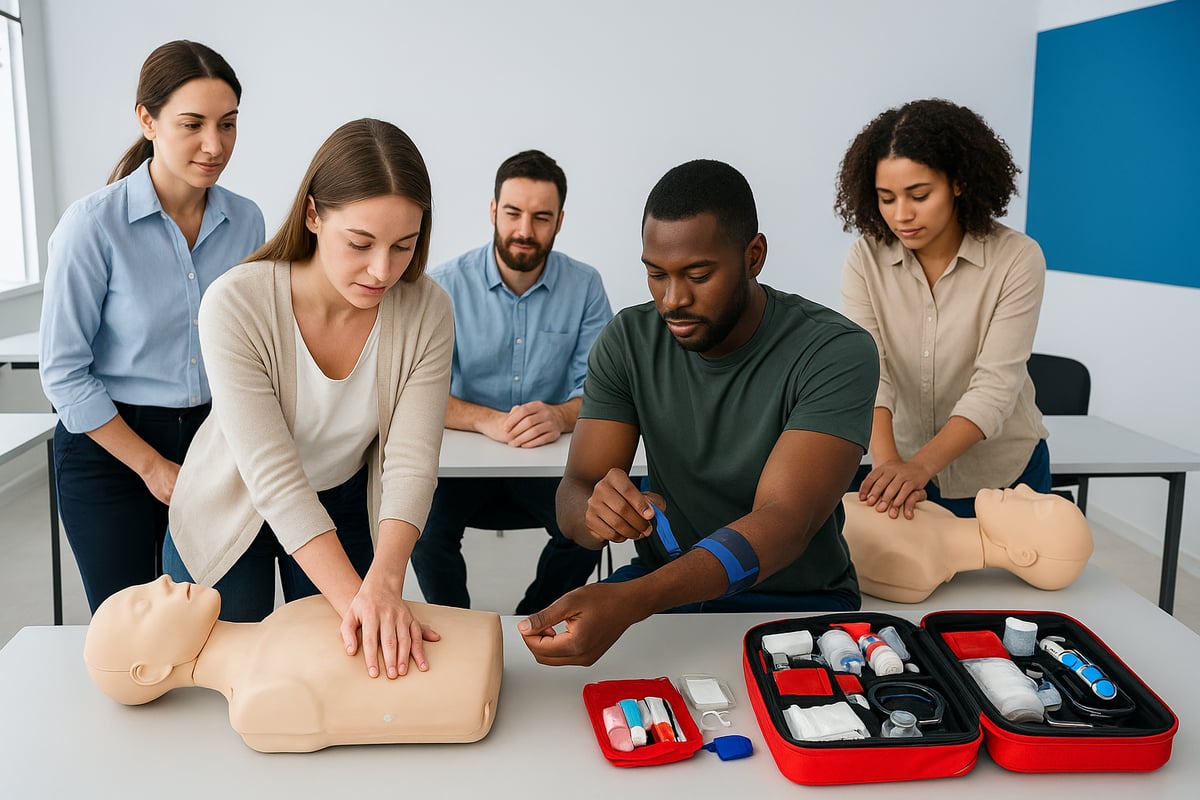
Developing hands-on skills is the core of medical readiness in the skinnymedic guide. Everyone should know:
- CPR and AED use: Immediate response can double a cardiac arrest victim’s survival.
- Bleeding control: Proper tourniquet application, wound packing, and pressure bandages are vital for trauma.
- Airway management: Master the recovery position, choking response, and rescue breathing.
- Treating burns, fractures, and shock: Quick action prevents complications.
Scenario-based practice is crucial. Simulate real-life emergencies with drills at home or with a group. For example, studies show that rapid tourniquet use can double survival rates in severe limb trauma, highlighting the importance of confidence and speed.
Remember, the skinnymedic principle is not just to know the theory, but to be able to act under stress. Practice regularly, and review your skills every few months.
Staying Updated: Training and Certification in 2026
Medical preparedness evolves every year, and the skinnymedic approach emphasizes staying current. Explore certification programs such as Red Cross, Stop the Bleed, and local EMS offerings. Many organizations now provide online or hybrid courses, making skill-building more accessible.
For 2026, new essentials include telemedicine basics, remote triage, and using smart devices for emergency care. Set a regular schedule to refresh your certifications and track progress.
Consider joining a community preparedness group. These groups offer shared learning, support, and accountability. Addressing gaps in training is critical, as highlighted by research on First Responder Training Gaps, which underscores the need for ongoing skill development.
By following the skinnymedic foundation, you ensure that your knowledge, skills, and confidence are always ready for the unexpected.
Assembling the Ultimate Medical Kit: Gear Essentials for 2026
When seconds count, having the right medical gear can mean the difference between life and death. The skinnymedic approach to preparedness focuses on building a medical kit that is practical, up-to-date, and tailored to your needs. As emergencies evolve in 2026, assembling a reliable kit is crucial for every household and responder.
Core Components for Every Situation
Every skinnymedic-approved kit starts with the essentials. The “Big Four” are non-negotiable for trauma care: tourniquets, pressure dressings, chest seals, and hemostatic agents. These tools address the most common, life-threatening injuries you might face, whether at home, in your vehicle, or outdoors.
In 2026, innovations have made these items lighter, more compact, and easier to use. Look for tourniquets with one-handed application and chest seals designed for rapid deployment. Pressure dressings should be vacuum-sealed for long-term storage, and hemostatic agents must be current, as their efficacy can diminish over time.
When building your kit, consider where you’ll keep it:
- Home: Store in a central, accessible location.
- Vehicle: Compact kits fit under seats or in glove compartments.
- Everyday Carry (EDC): Small pouches attach to bags or belts.
- Outdoors: Waterproof cases protect gear from the elements.
A well-stocked IFAK (Individual First Aid Kit) can address up to 90 percent of trauma scenarios you might encounter. Regularly check expiry dates and test gear functionality to ensure your skinnymedic kit is always ready.
Specialty Supplies for Unique Needs
Preparedness is not one-size-fits-all. The skinnymedic philosophy emphasizes adapting your kit for everyone in your care. Pediatric supplies, such as child-sized airways and dosing charts, are essential if you have young children. For geriatric family members, include mobility aids, extra medications, and a list of allergies or medical conditions.
Chronic illnesses demand specific solutions:
- Diabetic kits with glucose gels and lancets
- EpiPens for severe allergies
- Asthma inhalers and spacers
Don’t forget your pets. Add animal-safe bandages and tick removers for emergencies during walks or travel. If you plan for wilderness adventures or international travel, adjust your kit with water purification tablets, blister care, and extra splints.
Your skinnymedic kit should evolve as your family or environment changes. Review supplies regularly and update contents for new risks or medical needs.
Organizing and Customizing Your Kit
An organized kit saves precious time during emergencies. Skinnymedic recommends evaluating modular versus all-in-one designs. Modular kits let you swap out or add components for different scenarios, while all-in-one kits offer simplicity and portability.
| Feature | Modular Kit | All-in-One Kit |
|---|---|---|
| Customization | High | Low |
| Portability | Variable | High |
| Scalability | Easy | Limited |
Label each compartment clearly and keep instructions for specialty items accessible. If you have a large family or group, scale up supplies and create multiple kits for home, vehicles, and outings. Digital inventory apps can help track expiration dates and restock needs.
Scenario drills are essential. Practice retrieving and using items with your skinnymedic kit under stress. For a step-by-step approach to tailoring a family kit, see How to build a family first aid kit.
Medical Gear Outfitters: Trusted Source for Quality Medical Supplies
Medical Gear Outfitters, the platform behind skinnymedic, is founded by a practicing paramedic with real-world experience. Their curated selection covers everything from simple boo boo kits to advanced trauma packs, all field-tested for reliability.
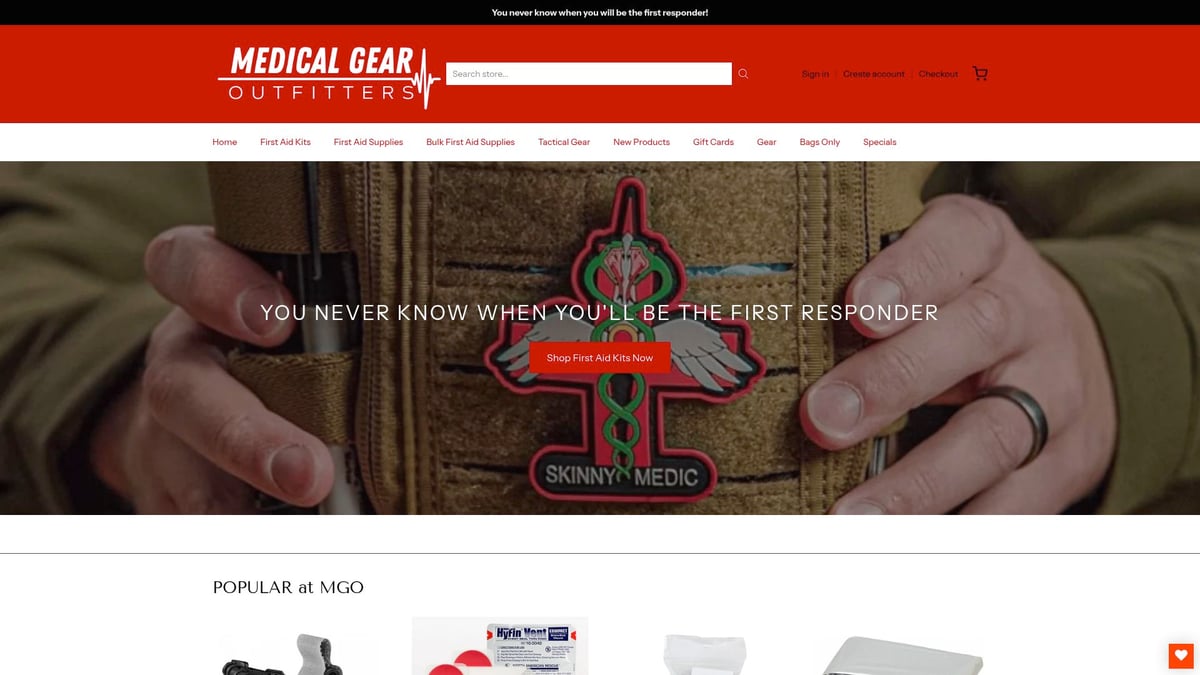
What sets them apart is an education-first philosophy. You can access guides, video tutorials, and detailed instructions for every product, ensuring you know how to use your skinnymedic gear confidently. Whether you want to build your own kit or select a pre-assembled option for your home, vehicle, or workplace, customization is straightforward.
Medical Gear Outfitters is trusted by first responders, families, and preparedness enthusiasts across the country. Their commitment to quality and user education means your skinnymedic kit will always be ready for whatever 2026 brings.
Critical Medical Response Steps: What to Do When Seconds Count
Emergencies demand immediate action and clear thinking. The skinnymedic approach to medical response focuses on practical steps that anyone can follow, even under stress. Whether at home or in public, knowing what to do when seconds count can mean the difference between life and death. Here is your structured guide to the most critical response actions.
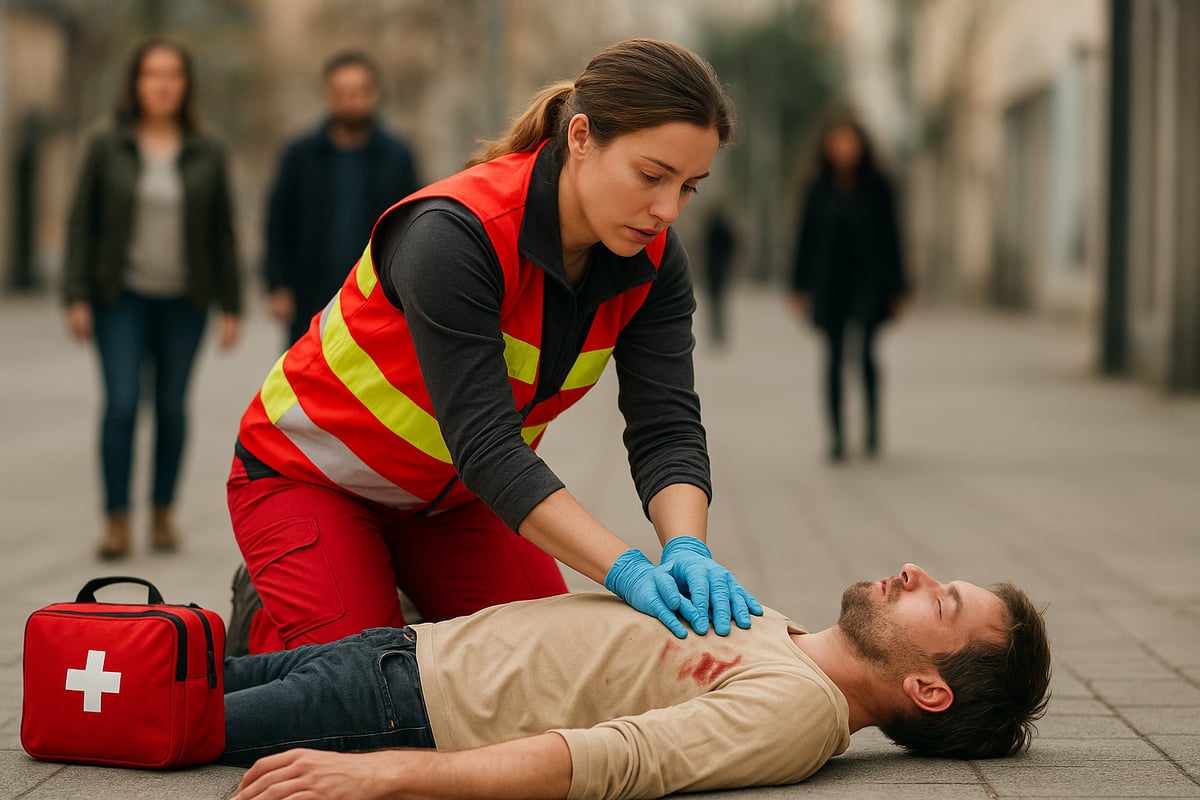
Step 1: Ensure Scene Safety and Call for Help
Before providing care, always check that the scene is safe for you and others. The skinnymedic principle starts with personal safety, as becoming a second victim helps no one. Look for hazards such as fire, exposed wires, or unstable debris.
If the area is dangerous, do not rush in. Put on available personal protective equipment like gloves and eye protection. Make sure bystanders stay clear and calm. Quickly call 911 or your local emergency number. Give the dispatcher precise details: your location, number of injured, and the type of emergency.
Clear communication helps first responders arrive prepared. Delegate someone to guide EMS when they arrive. If the scene is chaotic, organize bystanders to form a safe perimeter. The skinnymedic mindset prioritizes safety and swift activation of emergency services above all else.
Step 2: Primary Assessment and Life-Threatening Conditions
Once the scene is secure, focus on the ABCs: Airway, Breathing, and Circulation. The skinnymedic method means acting fast to identify and manage immediate threats. Check if the person is responsive. Open their airway, look for normal breathing, and check for a pulse.
If you see heavy bleeding, act immediately. Apply direct pressure, use a tourniquet, or pack the wound as needed. For a deeper understanding of proper technique, review Tourniquet use and common mistakes. Correct use can save lives in severe trauma.
Continue to monitor the injured person’s responsiveness and breathing. If you are in a mass casualty situation, prioritize care based on severity. The skinnymedic philosophy emphasizes decisive action and the right intervention at the right time.
Step 3: Stabilization and Secondary Care
After managing life-threatening issues, shift to stabilizing the person until professional help arrives. The skinnymedic approach recommends treating for shock by keeping the person warm and calm. Immobilize fractures with splints or improvised supports.
Address burns with cool, clean cloths and cover with sterile dressings. Clean and dress minor wounds if time allows. Maintain airway support and monitor breathing, especially if the injured person’s condition changes.
Conduct a head-to-toe secondary survey to find hidden injuries. Record what care you have provided. This information will help EMS continue treatment without delays. Practicing these skinnymedic steps regularly prepares you for real emergencies.
Step 4: Preparing for Handover and Recovery
When EMS arrives, be ready to transfer care smoothly. Organize all patient information, including what happened, when, and every intervention given. The skinnymedic system encourages clear, concise updates to professionals.
Help move the patient safely, using proper lifting techniques to avoid further injury. After the incident, gather with your family or group for a quick debrief. Discuss what went well and what could improve next time.
Responder stress is real. Take time to process the event and reach out for support if needed. The skinnymedic commitment to preparedness includes mental health and continuous learning for long-term resilience.
Scenario Planning: Preparing for the Most Likely Emergencies in 2026
Emergencies can strike in any setting, and effective scenario planning is crucial for true preparedness. The skinnymedic approach emphasizes anticipating the most likely incidents at home, in public, and in the great outdoors. By understanding specific risks and creating actionable plans, you can protect yourself and others with confidence.
Home and Family Emergencies
The most common emergencies happen at home, where skinnymedic principles can make a life-saving difference. Risks include kitchen burns, falls, allergic reactions, and household fires.
- Kitchen accidents: burns, cuts, electrical shocks
- Falls: especially for children and elderly family members
- Allergic reactions: food, insect stings, medications
- Fires: electrical faults, unattended cooking
A comprehensive family emergency plan should address these risks. Assign roles to each family member, establish clear communication channels, and outline evacuation routes. Regular fire drills and first aid practice, such as treating burns or using an EpiPen, reinforce readiness.
For families with children or elderly relatives, childproofing and mobility aids are essential. The skinnymedic mindset encourages reviewing and updating plans as households change. Practicing with realistic scenarios, like responding to a kitchen fire or a severe allergic reaction, ensures everyone knows what to do under stress.
Community and Public Space Incidents
Emergencies in public—such as mass casualty events, vehicle accidents, or natural disasters—require rapid, coordinated action. The skinnymedic framework highlights the importance of bystander roles and teamwork.
Bystanders can provide critical first aid before professionals arrive. In urban environments, knowing the locations of hospitals and AEDs can save precious time. Resource mapping is key, especially in large cities where access to emergency services can vary. For example, studies such as Access to Emergency Services in NYC reveal gaps and strengths in urban response systems.
Effective public space preparedness includes:
- Identifying exits and safe zones in crowded areas
- Designating a meeting point for your group
- Understanding how to communicate with emergency responders
An example: A skinnymedic-trained bystander responds to a cardiac arrest at a shopping center, using an AED and coordinating with others until EMS arrives. These skills—practiced ahead of time—can transform panic into purposeful action.
Outdoor, Travel, and Wilderness Preparedness
Outdoor adventures bring unique challenges. The skinnymedic philosophy adapts to risks like animal bites, hypothermia, dehydration, and limited access to care.
- Animal bites and stings: snakes, insects
- Weather-related injuries: hypothermia, heat stroke
- Navigation errors: getting lost, delayed rescue
Prepare by customizing your first aid kit for the environment, learning emergency signaling, and practicing basic navigation. Wilderness first aid, such as splinting a fracture or treating dehydration, is vital for hikers and campers. The skinnymedic approach ensures you stay ready, wherever your journey takes you.
Special Considerations for 2026: New Threats and Solutions
As the world changes, so do the threats we face. Climate change, cyber-attacks, and emerging diseases all impact medical preparedness. Integrating digital health tools, such as emergency apps and telemedicine, is now part of the skinnymedic toolkit.
Community resilience is more important than ever. Real-time alerts and crowdsourced data—explored in Emergency Incident Detection Using Crowdsourced Data—enable faster response and better coordination. Building local support networks amplifies your ability to adapt to unexpected events.
By staying informed and flexible, you transform uncertainty into preparedness. The skinnymedic mindset is about turning knowledge into action, whatever the future brings.
Staying Ready: Maintenance, Mindset, and Continuous Improvement
Staying prepared is not a one-time effort. It requires regular attention, a proactive mindset, and the willingness to keep learning. For anyone serious about medical readiness, maintaining your kit and your skills is just as important as assembling them in the first place.
Routine kit maintenance is the backbone of effective preparedness. Check your supplies every quarter, ensuring nothing is expired or missing. Restock bandages, medications, and batteries as needed. Update your gear with new technology and innovations as they become available. Create a simple checklist to track what you have and what needs replacing. This habit will help you avoid surprises when emergencies occur.
Practice matters just as much as gear. Schedule annual training refreshers, and set reminders for recertification dates. Scenario-based drills can transform knowledge into instinct. Involve your family or group in these exercises so everyone knows their role during an emergency. Track your progress using digital apps or a shared journal.
Mindset is a critical factor in emergency response. Confidence, calm, and adaptability allow you to act quickly and effectively. The skinnymedic approach emphasizes continuous improvement and learning from every experience. For more on developing mental resilience, review these common psychological mistakes in emergency preparedness, and consider how you can address them in your own routine.
Engage your family and community in preparedness efforts. Organize group training sessions and share responsibilities for maintaining supplies. Encourage open discussions about what to do in different scenarios. Tracking your efforts with checklists or mobile apps can help everyone stay on the same page. Regular practice has a powerful effect, turning anxiety into effective action. Self-care and mental well-being are essential parts of the skinnymedic philosophy. For more on the mission and background, see the Skinny Medic background and mission.

