Conforming Roll Gauze Guide: Usage, Benefits, and Tips 2026
Proper wound care is essential for preventing infections and ensuring fast healing. One indispensable tool for both professionals and home users is conforming roll gauze, known for its flexibility and versatility in first aid.
Understanding how to use conforming roll gauze, along with its unique benefits and best practices, can transform your approach to injury management. This guide will provide a complete overview of what conforming roll gauze is, step-by-step usage instructions, key benefits, expert tips for 2026, and answers to the most common questions.
What Is Conforming Roll Gauze?
Conforming roll gauze is a staple in modern wound care, valued for its adaptability and gentle support. Unlike standard gauze pads, it features a unique, elastic weave designed to mold to the body's curves and joints. This flexibility is achieved using soft cotton or polymer yarns, with many options now available in latex-free materials to accommodate sensitive skin. The result is a bandage that remains secure while allowing comfortable movement, making it ideal for both minor injuries and more complex care needs.
Definition and Material Composition
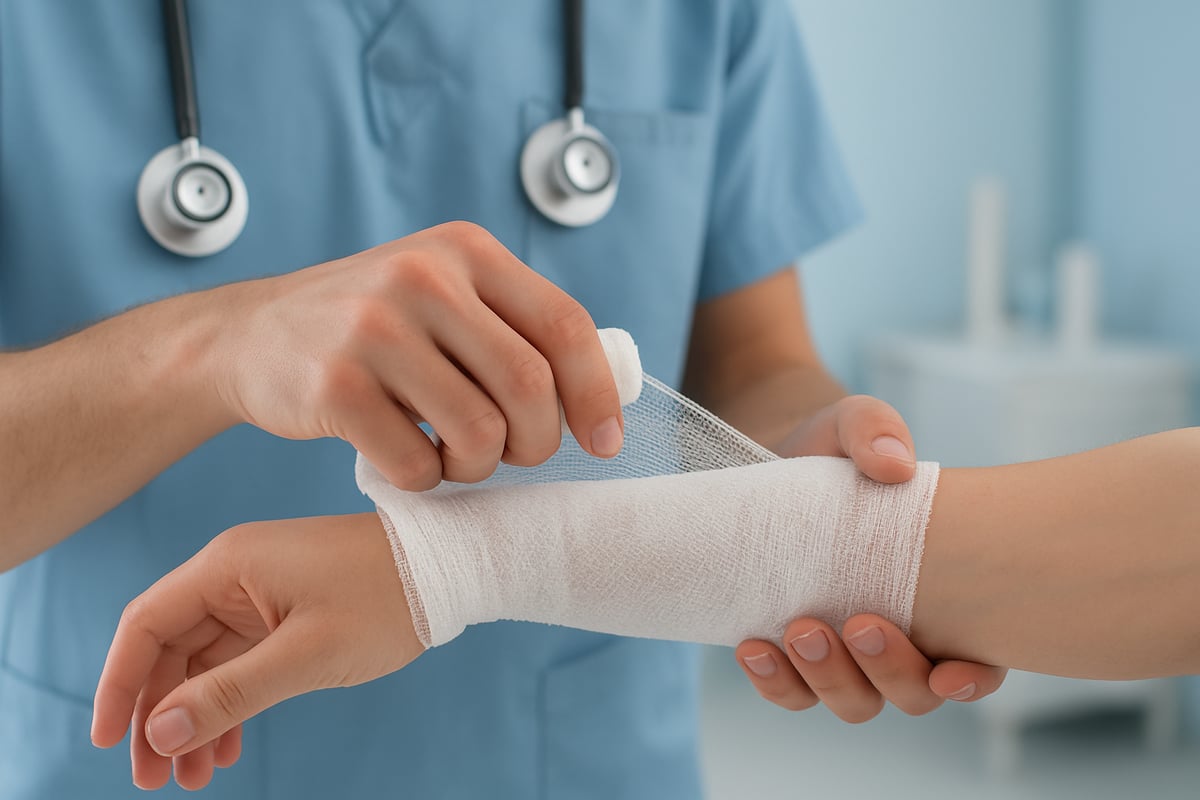
Conforming roll gauze is a bandaging material crafted to stretch and cling gently to irregular body surfaces. Its structure combines a uniform weave of cotton and polymer yarns, giving it both strength and elasticity. Many products are manufactured without natural rubber latex, reducing the risk of allergic reactions. The soft, breathable fabric ensures comfort for extended wear and minimizes irritation, making conforming roll gauze a preferred choice for sensitive skin and long-term dressing.
Types and Sizes Available
A wide variety of conforming roll gauze sizes are offered to suit different wound types and locations. Common widths include 2 inches and 3 inches, typically in 4-yard rolls. Packaging options range from individual sterile rolls for clinical use to larger bulk packs for organizations. Both sterile and non-sterile variants are available, with sterile gauze recommended for open wounds or surgical sites. For comparison, S-Fold Gauze for Wound Care offers a different folding pattern designed for rapid application in trauma situations, highlighting the diverse options available for wound management.
Key Features
Conforming roll gauze stands out due to several essential features:
- Non-stick surface: Prevents the bandage from adhering to the wound.
- Lightweight and breathable: Allows air circulation, supporting natural healing.
- Soft texture: Enhances comfort, especially during prolonged use.
- Flexible stretch: Easily wraps around joints and contoured areas without slipping.
This combination of properties ensures that conforming roll gauze delivers secure coverage while accommodating movement.
Safety and Compliance
Latex-free manufacturing is standard in most conforming roll gauze products, making them safe for individuals with latex allergies. Many brands follow OSHA and ANSI guidelines, ensuring suitability for workplace and industrial first aid kits. According to competitor data from First Aid Only, the uniform weave of cotton and polymer yarns provides sufficient stretch for secure and flexible bandaging. These compliance measures guarantee that conforming roll gauze meets strict safety and quality standards.
Common Uses in First Aid and Emergency Care
Conforming roll gauze is widely used to secure wound dressings, cover burns, and protect post-surgical sites. Its stretch and adaptability make it perfect for wrapping hands, elbows, knees, and other areas that require flexibility. In both home and clinical settings, conforming roll gauze helps keep primary dressings in place, shields wounds from contaminants, and allows for natural mobility during healing. Whether managing minor cuts or more serious injuries, conforming roll gauze delivers reliable performance.
Who Uses Conforming Roll Gauze?
This versatile bandaging material is trusted by healthcare professionals, first responders, school nurses, and workplace safety officers. It is a standard inclusion in most first aid kits, ensuring readiness for accidents at home, on the job, or outdoors. Families, athletes, and organizations alike rely on conforming roll gauze for its ease of use and dependable support in emergency and routine care scenarios.
Step-by-Step Guide: How to Use Conforming Roll Gauze
Proper application of conforming roll gauze is crucial for effective wound care and optimal healing. Following a precise process not only enhances comfort but also reduces the risk of infection and complications. Whether you are a healthcare professional or a home caregiver, mastering these steps ensures the best outcomes for any injury.
Preparation and Safety Precautions
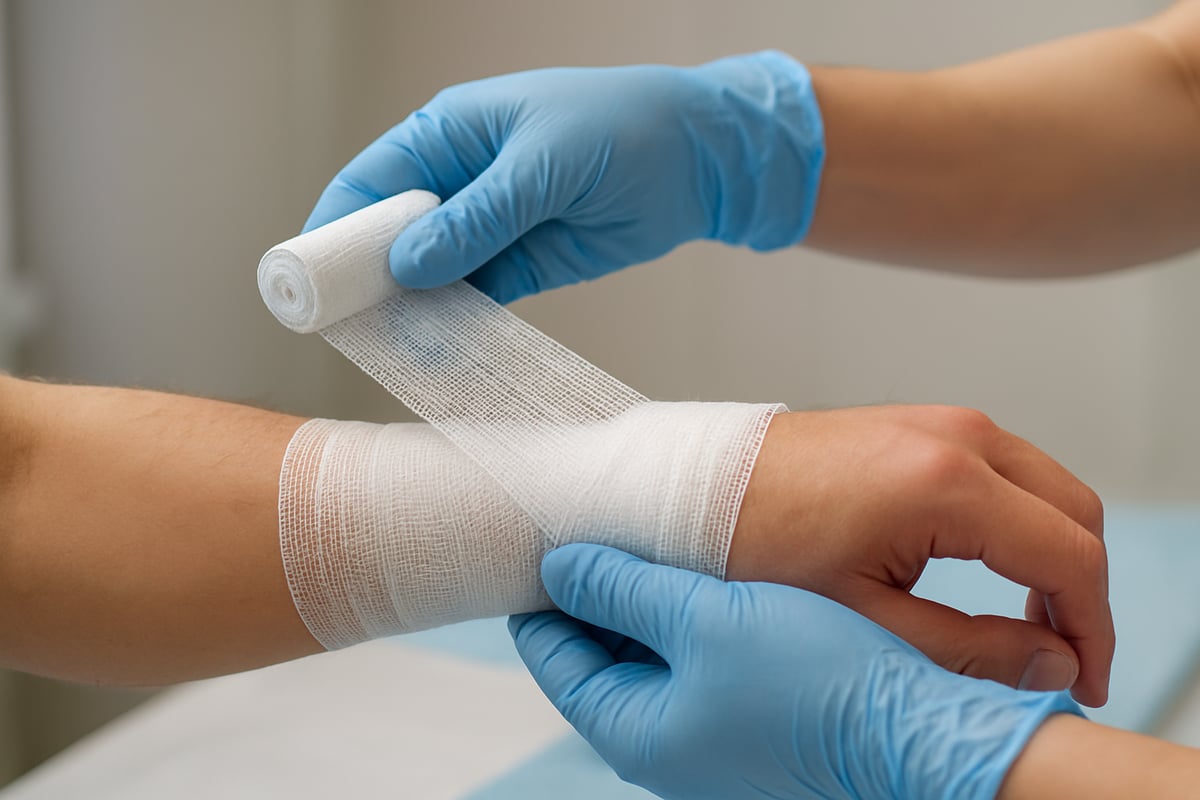
Before you begin, always wash your hands thoroughly and wear disposable gloves to maintain a sterile environment. This step is essential to prevent contamination and reduce infection risk when using conforming roll gauze.
Gather all necessary supplies, including sterile conforming roll gauze, primary dressings, tape, and scissors. Inspect the wound and select the appropriate gauze size for optimal coverage. For more detailed guidance on preparation and safe usage, refer to the Conforming Gauze Usage Guide.
Step 1: Clean and Prepare the Wound
Start by gently cleaning the wound with an antiseptic solution. Remove any debris or dirt to minimize infection risks. Pat the area dry with a sterile pad before applying conforming roll gauze. Ensuring a clean and dry surface helps the gauze adhere better and supports the healing process.
Step 2: Apply a Primary Dressing (if needed)
For wounds with significant drainage or sensitivity, place a sterile, absorbent pad directly on the wound. This primary dressing absorbs exudate and adds a layer of protection. The conforming roll gauze will hold this dressing in place, allowing for secure and comfortable coverage.
Step 3: Unroll and Position the Gauze
Hold the conforming roll gauze securely at the edge of the wound or primary dressing. Begin unrolling the gauze slowly, keeping tension even. Position the gauze so that it covers the dressing without slipping, and avoid touching the wound directly during this process to maintain sterility.
Step 4: Wrap the Gauze Securely
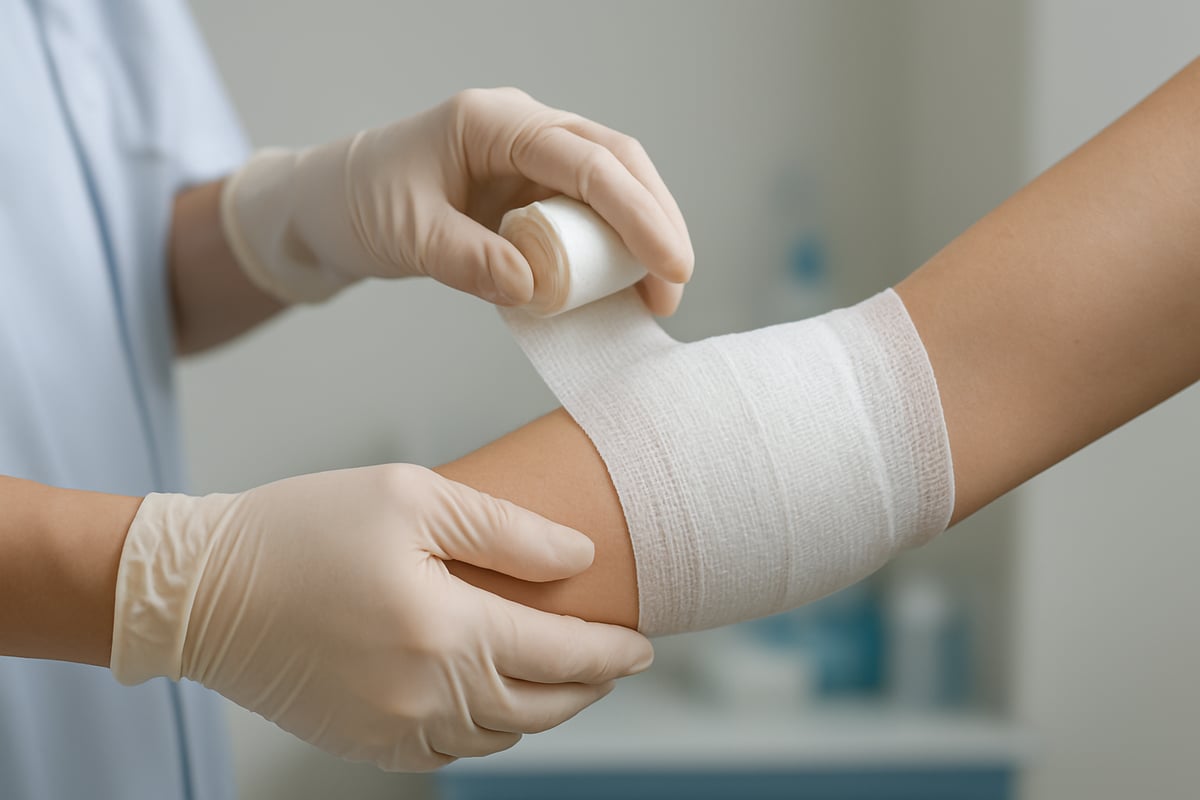
Wrap the conforming roll gauze around the injury, overlapping each layer by one third to one half. Applying gentle, consistent pressure ensures the gauze conforms to the body’s contours and joints. Avoid wrapping too tightly, as this can restrict circulation and hinder healing.
- Overlap each layer for stability
- Maintain gentle tension
- Ensure full coverage without gaps
Step 5: Secure the End of the Gauze
Once the wound is covered, secure the end of the conforming roll gauze with medical tape, clips, or by tucking it under the last layer. The bandage should be snug enough to stay in place but not so tight that it causes discomfort or swelling. Always check for secure closure before completing the process.
Step 6: Check for Comfort and Circulation
After application, examine the area for signs of restricted blood flow, such as changes in skin color, temperature, or sensation. Ask the patient if the bandage feels comfortable. If necessary, adjust the conforming roll gauze to ensure both safety and comfort, especially when covering joints or delicate skin.
Step 7: Changing and Removing Gauze
Change the conforming roll gauze according to the wound type and level of drainage, or if the bandage becomes soiled. To remove, gently unwind the gauze, taking care not to disturb healing tissue. If the gauze sticks, moisten it with sterile saline to ease removal and prevent trauma to the wound.
Practical Example
Imagine treating a forearm laceration at home. After cleaning the wound and applying a sterile pad, you select a suitable conforming roll gauze. You unroll and wrap the gauze smoothly, overlapping each layer. The gauze’s flexibility allows movement, as noted by First Aid Only, making daily tasks easier. You secure the end, check for comfort, and plan to change the bandage as needed.
Benefits of Using Conforming Roll Gauze
Proper wound care is essential for promoting healing and minimizing risk. Choosing the right materials can make a significant difference. Here, we explore the distinct benefits of using conforming roll gauze, an indispensable item for anyone managing injuries in medical, workplace, or home settings.
Superior Flexibility and Comfort
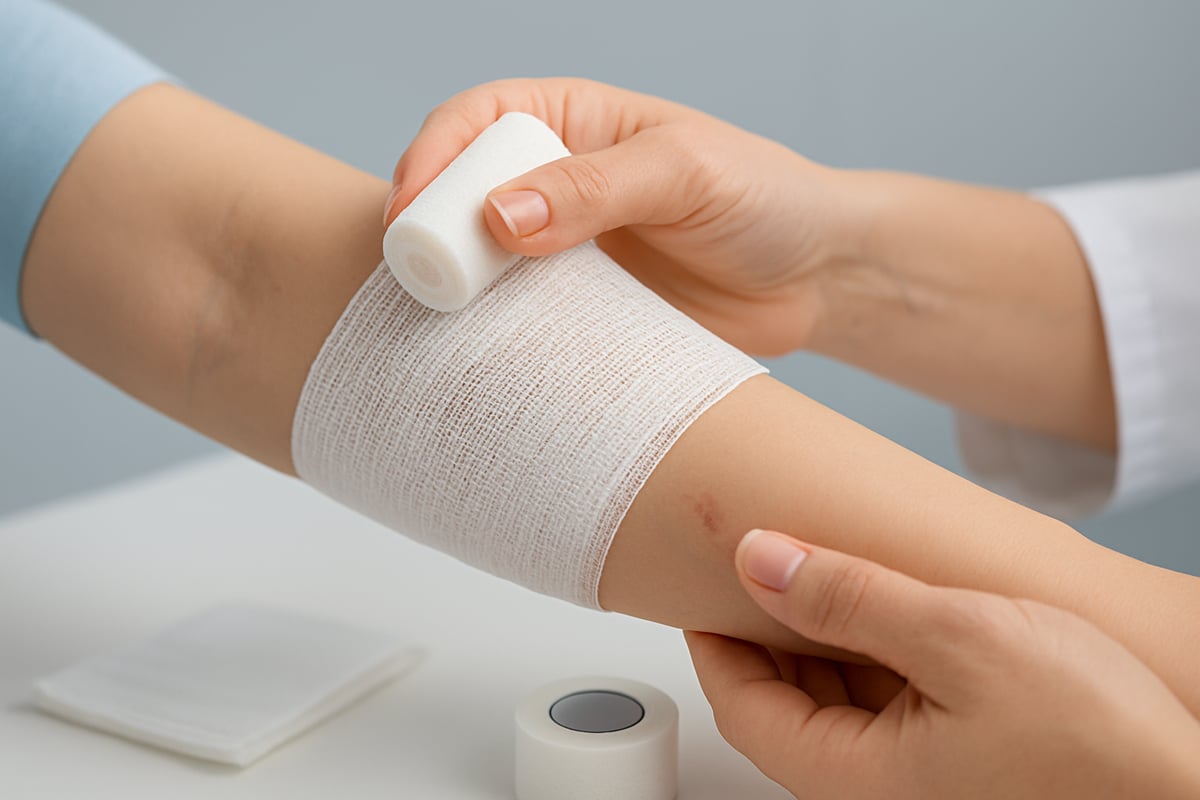
One of the standout qualities of conforming roll gauze is its superior flexibility. The unique weave and stretchable material allow it to adapt easily to body curves, joints, and other hard-to-bandage areas. This flexibility means the gauze stays in place, reducing the need for frequent adjustments and enhancing comfort for the patient. Whether wrapping an elbow, knee, or hand, conforming roll gauze provides a snug but gentle fit that does not restrict movement.
Enhanced Wound Protection
Conforming roll gauze plays a crucial role in safeguarding wounds from further harm. It holds primary dressings securely in position, preventing them from shifting and exposing the wound to potential contaminants. This added layer acts as a protective barrier, reducing the risk of dirt, bacteria, or debris reaching the site. The consistent support provided by conforming roll gauze helps maintain an optimal healing environment, keeping sensitive tissues shielded from everyday hazards.
Breathability and Moisture Control
Breathability is another important advantage of conforming roll gauze. The lightweight, porous structure allows air to circulate freely around the wound, which is vital for proper healing. Adequate airflow helps regulate moisture levels, preventing the buildup of excess exudate that can lead to skin maceration. By absorbing fluids and promoting a balanced environment, conforming roll gauze supports faster recovery and reduces the likelihood of complications.
Reduced Skin Irritation
For individuals with sensitive skin, comfort and safety are paramount. Conforming roll gauze is typically made from soft, non-stick materials that minimize discomfort during application and removal. Latex-free options are widely available, making it suitable for those with latex allergies or sensitivities. Unlike adhesive bandages, conforming roll gauze does not stick directly to the skin, reducing the risk of irritation, redness, or allergic reactions even with extended use.
Versatility in Application
The adaptability of conforming roll gauze makes it suitable for a wide range of injuries and scenarios. It can be used for minor cuts, abrasions, burns, surgical wounds, and more. Its ability to secure dressings and provide gentle compression is valued in home care, sports, workplaces, and emergencies. For those seeking comprehensive preparedness, conforming roll gauze is a key component found in most large first aid kits, underscoring its essential role in effective injury management.
Cost-Effectiveness and Accessibility
Conforming roll gauze is not only effective but also affordable and easy to find. It is available in various sizes and packaging options, making it accessible for personal, family, or organizational use. Bulk packs offer cost savings for institutions, while single rolls are ideal for home first aid kits. Its widespread availability ensures that anyone can keep a reliable supply on hand for unexpected injuries or emergencies without straining their budget.
Compliance with Safety Standards
Meeting recognized safety and quality standards is vital in healthcare and workplace environments. Conforming roll gauze is manufactured to comply with OSHA and ANSI guidelines for first aid supplies, ensuring reliable performance and safety. Many products are clearly labeled as latex-free to prevent allergic reactions. By choosing gauze that meets these standards, users and organizations can be confident they are prepared to respond effectively to injuries while maintaining compliance with regulations.
Expert Tips for Optimal Use in 2026
Mastering the use of conforming roll gauze ensures you are prepared for effective wound care, whether at home, work, or in emergency situations. As first aid evolves in 2026, paying attention to selection, technique, and maintenance will make a significant difference in patient outcomes.
Selecting the Right Gauze for the Situation
Choosing the correct conforming roll gauze is the first step to optimal wound care. Consider the wound’s size, depth, and location. For sensitive skin or patients with latex allergies, always select a latex-free option. If the wound is open or surgical, sterile gauze is necessary to minimize infection risk. For minor, superficial injuries, non-sterile gauze may suffice. Matching the gauze width to the body part—such as 2-inch rolls for fingers and 4-inch for limbs—ensures secure coverage and comfort.
| Situation | Sterile Gauze | Non-Sterile Gauze |
|---|---|---|
| Open wounds, surgery | Recommended | Not advised |
| Minor cuts, abrasions | Optional | Acceptable |
| Allergy concerns | Latex-free, sterile | Latex-free, non-sterile |
Selecting the appropriate conforming roll gauze type streamlines the healing process and enhances patient safety.
Application Techniques for Difficult Areas
Applying conforming roll gauze to joints or irregular surfaces requires attention to technique. Begin by anchoring the end of the roll just above or below the wound. Use gentle, even tension, overlapping each layer by a third to a half. For elbows or knees, bend the joint slightly before wrapping to maintain mobility. Layering the gauze adds protection and absorption, especially for wounds prone to exudate. This method keeps the dressing in place, even during movement, reducing the risk of slippage or exposure.
Avoiding Common Mistakes
Proper application of conforming roll gauze means avoiding errors that compromise care. Wrapping too tightly can restrict blood flow, causing numbness or discoloration. Too loose, and the dressing may slip, exposing the wound. Always check circulation by assessing color, warmth, and sensation beyond the bandaged area. Secure the end with tape or clips rather than knots, which may cause discomfort.
Common pitfalls to watch for:
- Excessive tension leading to impaired circulation
- Insufficient overlap, risking unraveling
- Neglecting to secure the gauze properly
- Using the wrong size for the wound area
Attention to these details ensures effective, safe use of conforming roll gauze.
Ensuring Hygiene and Infection Prevention
Maintaining hygiene is crucial when using conforming roll gauze. Wash hands thoroughly and use gloves before dressing wounds. Change the gauze regularly, especially if it becomes wet or soiled. For draining wounds, more frequent changes may be required. Dispose of used gauze in a sealed plastic bag to prevent contamination. Never reuse single-use gauze, as this increases infection risk. Clean technique protects both the caregiver and the patient.
Storage and Shelf Life
Proper storage extends the effectiveness of conforming roll gauze. Store rolls in a cool, dry place, away from direct sunlight or moisture. Keep sterile gauze in its sealed packaging until needed. Check expiration dates periodically and discard any gauze that is discolored, damaged, or past its shelf life. Organized storage helps ensure you always have fresh, reliable supplies on hand when emergencies arise.
Preparing for Emergencies
Readiness is key in any setting. Stock conforming roll gauze in your home, car, and workplace kits. Assess your needs based on family size, workplace hazards, or school populations. For organizations, bulk purchases ensure adequate supply for multiple incidents. Make sure your kits comply with current standards; for workplace compliance, review ANSI-Compliant First Aid Kit Refill options that include conforming gauze rolls. Regularly check and restock kits to maintain preparedness.
Innovations and Trends in 2026
Advancements in conforming roll gauze continue to improve care. New materials offer enhanced breathability and moisture control, reducing skin irritation. Some gauze products now feature antimicrobial coatings or integrated sensors for digital wound monitoring. Smart first aid kits with automated inventory tracking are becoming common, ensuring you always have essential items like conforming roll gauze available. Medical Gear Outfitters leads the way by curating advanced wound care solutions, supporting both professionals and families in emergency preparedness.
Staying updated on best practices and innovations ensures you maximize the benefits of conforming roll gauze in every situation.
Frequently Asked Questions About Conforming Roll Gauze
Proper use of conforming roll gauze is essential for effective wound care at home, work, or in emergencies. Here are answers to the most common questions users have about this versatile first aid supply.
How is conforming gauze different from regular gauze?
Conforming roll gauze is specially woven to stretch and mold to body contours, unlike standard flat gauze pads or wraps. Its flexible structure allows for secure wrapping over joints and irregular surfaces. For more details on design and usability, see this Gauze Roll Product Review.
| Feature | Conforming Roll Gauze | Regular Gauze |
|---|---|---|
| Stretch/Flexibility | High | Low |
| Body Contour Adaptation | Excellent | Limited |
| Common Use | Wrapping, securing | Padding, covering |
Can conforming gauze be used on all types of wounds?
Conforming roll gauze is suitable for most minor to moderate wounds, including cuts, abrasions, and burns. However, it is not recommended for deep puncture wounds or wounds needing high-absorbency dressings. Always consult a healthcare provider for severe injuries.
How often should gauze be changed?
Change conforming roll gauze whenever it becomes wet, soiled, or as directed by a medical professional. For wounds with heavy drainage, more frequent changes are necessary to prevent infection and promote healing. Regular changes help maintain a clean environment for recovery.
Is conforming gauze reusable?
Most conforming roll gauze is designed for single use to minimize infection risk. Reusing gauze can introduce bacteria and compromise wound healing. Always use a fresh, sterile piece for each dressing change, and dispose of used gauze appropriately.
What should I do if the gauze sticks to the wound?
If conforming roll gauze adheres to the wound, moisten it gently with sterile saline or water before removal. This softens the fibers, reducing discomfort and preventing tissue damage. To avoid sticking, use a non-adherent primary dressing beneath the gauze.
Are there any allergy concerns with conforming gauze?
Many conforming roll gauze products are latex-free, minimizing allergy risks for sensitive users. Always check packaging for latex content before use. Competitor data confirms, "Not made with natural rubber latex," making these options safe for most individuals with latex allergies.
Where can I buy conforming roll gauze?
You can purchase conforming roll gauze at pharmacies, medical suppliers, and online retailers. It is also included in most first aid kits, especially those meeting workplace standards. For kits that comply with ANSI requirements, review the First Aid Kit Compliance Standards.
- Pharmacies and drugstores
- Medical equipment suppliers
- Online retailers and specialized stores
What are the best practices for disposal?
Dispose of used conforming roll gauze in a sealed plastic bag or biohazard container if contaminated with blood or bodily fluids. Always wash your hands after handling used dressings. Follow local regulations for medical waste, especially in healthcare or workplace settings.
Advanced Applications and Case Examples
Conforming roll gauze is not just a staple for routine wound care; it is a frontline tool in diverse, high-demand environments. Its adaptability and reliability make it indispensable for those facing injuries in sports, workplaces, pediatric and geriatric care, tactical situations, and modern first aid systems.
Sports and Outdoor First Aid
When injuries occur on trails or sports fields, conforming roll gauze delivers rapid, effective wound management. Its stretch and flexibility allow athletes and outdoor enthusiasts to cover abrasions, sprains, and lacerations without impeding movement.
Consider a hiking incident where a fall causes a deep scrape on the knee. Using conforming roll gauze, the wound can be quickly covered, keeping out debris and allowing the hiker to continue safely until professional care is available.
- Flexible enough for joints and awkward areas
- Lightweight for easy transport in field kits
- Maintains secure coverage during activity
Workplace and Industrial Settings
In manufacturing plants or construction sites, conforming roll gauze meets OSHA and ANSI standards for first aid. It is commonly used to manage cuts, burns, or punctures that can occur in industrial environments.
For example, when an employee sustains a minor burn from equipment, conforming roll gauze can be wrapped over a sterile dressing to secure it in place, protecting the wound while the worker returns to light duty.
- Essential for first aid stations and compliance
- Suitable for a wide range of workplace injuries
- Supports employee safety protocols
Pediatric and Geriatric Care
Children and elderly patients benefit from the gentle, non-stick properties of conforming roll gauze. Its soft material minimizes irritation on sensitive or fragile skin, making it ideal for populations requiring extra care.
In pediatric care, conforming roll gauze can be used to cover a scraped elbow, allowing a child to maintain mobility. For elderly patients with delicate skin, the gauze wraps securely without causing friction or discomfort.
- Non-irritating for sensitive skin
- Allows for movement and comfort
- Easy to apply and remove on fragile tissues
Emergency and Tactical Use
First responders and tactical teams rely on conforming roll gauze for rapid wound coverage in high-pressure situations. Its fast application and ability to secure dressings are vital during trauma or mass casualty events.
In pre-hospital care, a paramedic might use conforming roll gauze alongside a QuikClot Combat Gauze Overview for severe bleeding, ensuring both absorption and compression. This combination provides an advanced solution for life-threatening injuries.
- Rapid deployment for trauma care
- Works in tandem with advanced wound care products
- Trusted by emergency professionals
Integration with Modern First Aid Kits
First aid kits in 2026 feature smart tracking and inventory systems, ensuring supplies like conforming roll gauze are always available. Automated alerts notify users when gauze needs restocking, supporting preparedness for families, schools, and organizations.
For example, a smart kit in a school may track usage and prompt timely replacement, guaranteeing effective care for students and staff. Integration with modern technology enhances the accessibility and reliability of conforming roll gauze in emergency planning.
- Included in digital first aid management systems
- Ensures readiness and supply monitoring
- Supports comprehensive emergency preparedness